
Can You Paint Brick, Stucco, and Siding on the Same House? A North Georgia Homeowner’s Guide
Many homes throughout Cumming, Alpharetta, Milton, and North Georgia combine brick, stucco, siding, and decorative trim on the same exterior. Painting these materials together can create a beautiful, cohesive appearance—but each surface has different preparation requirements, moisture considerations, and coating needs. Understanding those differences is essential before beginning an exterior repaint.
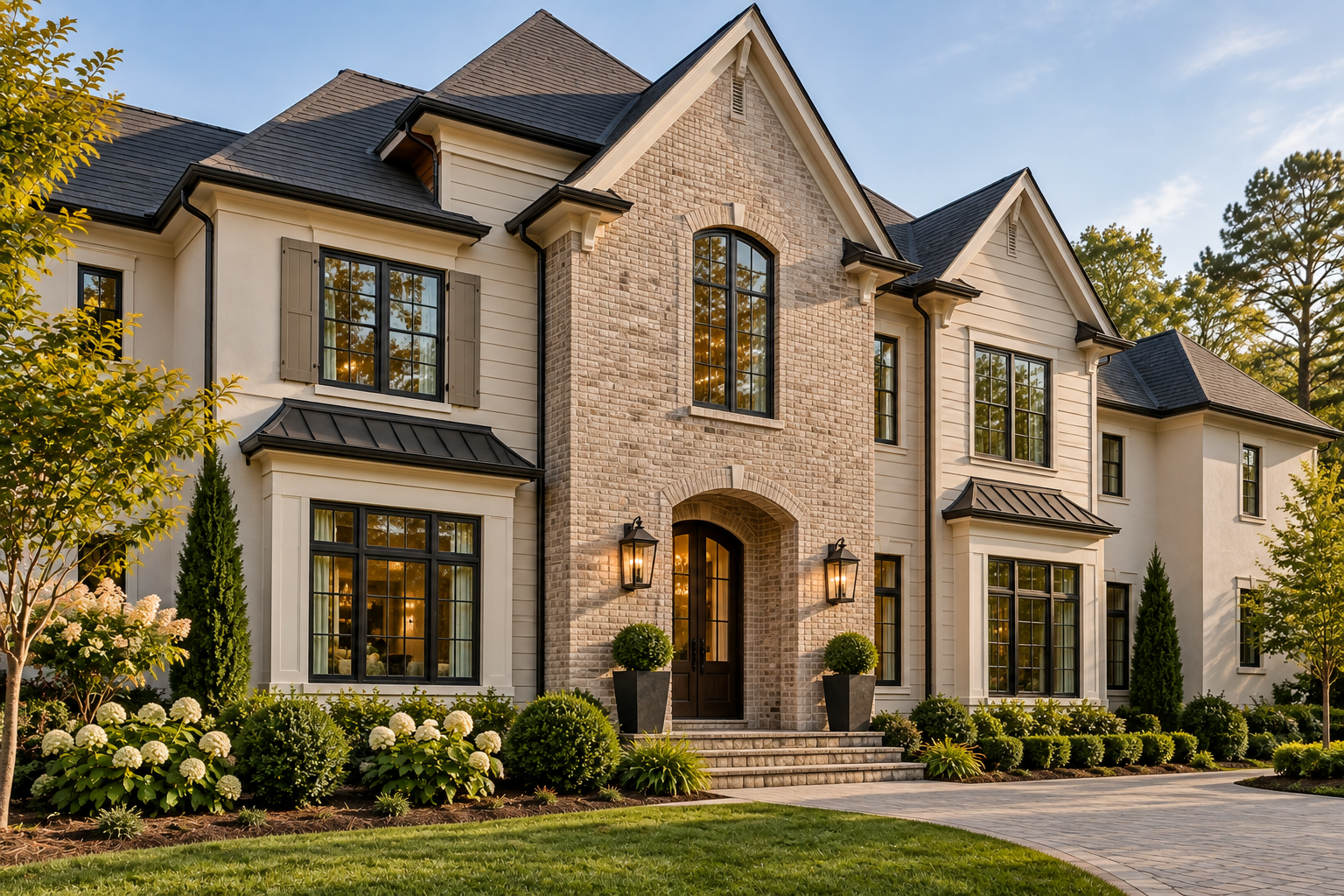
A North Georgia Exterior Painting Guide
Can Brick, Stucco, and Siding Be Painted Together?
Yes. A home with multiple exterior materials can be painted as one coordinated project. In fact, choosing complementary colors across brick, stucco, siding, and trim can dramatically transform the appearance of a property.
However, painting all of these surfaces does not mean treating them exactly the same. Brick is porous masonry, stucco can develop hairline cracks and retain moisture, and siding materials vary in how they respond to temperature, expansion, and coatings.
The best exterior painting plan evaluates each material separately while creating a consistent appearance across the entire home.
One Home, Different Materials
A Beautiful Exterior Starts With the Right System
One of the most common misconceptions about exterior painting is that a premium paint automatically works equally well on every surface. The reality is that even high-quality coatings must be compatible with the material underneath.
Brick and stucco are masonry surfaces that can absorb and release moisture. Wood siding can expand and contract with changing conditions. Fiber cement and vinyl siding have their own manufacturer requirements and limitations.
A professional exterior painter should identify the existing materials, assess previous coatings, evaluate moisture and adhesion concerns, and choose the preparation and paint system that fits each surface.
Understanding Your Exterior
Four Surfaces That Need Different Attention
North Georgia homes frequently combine several materials to create architectural depth and visual interest. Before choosing paint colors, homeowners should understand how those materials affect preparation and product selection.
Identifying the existing materials is especially important when a home has been repainted previously or has visible peeling, staining, cracking, or moisture damage.
Explore our exterior painting servicesBrick
Porous masonry that requires attention to moisture, existing sealers, and coating compatibility.
Stucco
Cementitious or synthetic finishes that may require specialized cleaning, repairs, and compatible coatings.
Siding
Wood, fiber cement, and vinyl siding have different preparation and product requirements.
Trim & Details
Fascia, soffits, windows, doors, and decorative elements may require separate primers and finishes.
Brick Can Be Painted, but Moisture Matters
Painting exterior brick can give an older home a completely different appearance. Red or brown brick can be transformed with warm whites, soft neutral tones, or deeper architectural colors.
However, brick is naturally porous. Moisture can move through masonry, and certain coatings may interfere with its ability to dry. Before painting, the brick should be evaluated for water intrusion, efflorescence, damaged mortar, previous sealers, and existing coatings.
Painting brick is a long-term appearance decision. Removing paint later can be difficult, so homeowners should consider traditional paint, mineral coatings, and limewash before committing.
Stucco Needs More Than a Fresh Coat
Stucco is common on larger and custom-built homes throughout Alpharetta, Milton, and surrounding communities. Its textured appearance can be beautiful, but the surface requires careful evaluation before painting.
Traditional cement stucco and synthetic stucco systems are not interchangeable. Cracks, moisture damage, loose finishes, and previous coatings must be assessed before selecting repairs or paint. A compatible coating system should be chosen for the specific stucco assembly.
A crack in stucco may be cosmetic or may indicate a deeper issue. Painting should not be used to conceal unresolved water intrusion or structural movement.
Not All Siding Should Be Painted the Same Way
Exterior siding comes in several forms, including natural wood, engineered wood, fiber cement, and vinyl. Each material has its own preparation requirements, coating recommendations, and limitations.
Wood siding may require scraping, sanding, spot priming, and repairs to deteriorated areas. Fiber cement should be evaluated for coating condition and manufacturer requirements. Vinyl siding requires particular attention to paint compatibility and color selection because excessive heat absorption can contribute to distortion.
For vinyl siding, always confirm that the selected coating and color are approved for the specific siding application.
The Details Bring the Entire Exterior Together
Even when brick, stucco, and siding are painted beautifully, deteriorated trim can make the entire project look unfinished. Fascia boards, soffits, window frames, shutters, and exterior doors all contribute to the final appearance.
A thorough exterior painting assessment should identify failing caulk, damaged wood, peeling coatings, and areas that need repair or replacement. PVC trim can be an appropriate replacement material for certain damaged exterior wood components.
Properly prepared trim creates the crisp transitions that make a multi-material exterior feel intentional and refined.
One Color Palette Can Unite Different Materials
One of the biggest advantages of painting multiple exterior materials together is the opportunity to create a unified architectural appearance.
Some homeowners prefer brick, stucco, and siding in closely related tones, allowing texture to provide contrast. Others choose a dominant body color with complementary trim, shutters, and doors. The right approach depends on the home's architecture, roof, stonework, landscaping, and natural light.
The same color can appear different on smooth siding, rough stucco, and textured brick. Always evaluate samples on the actual surfaces before finalizing colors.
What Professional Preparation Includes
Six Things to Evaluate Before Painting a Mixed-Material Exterior.
Determine whether surfaces are brick, traditional stucco, synthetic stucco, wood, fiber cement, vinyl, or another material.
Investigate water intrusion, staining, loose coatings, deteriorated mortar, and damaged exterior components.
Remove dirt, mildew, chalk, and other contamination using methods appropriate for the material and its condition.
Address agreed wood repairs, suitable crack repairs, failing caulk, and other defects before applying finish coats.
Select compatible primers and coatings according to the substrate, existing finish, and manufacturer instructions.
Plan around temperature, humidity, rain, surface moisture, and the coating's application requirements.
Comparing Exterior Surfaces
What Makes Each Material Different?
Understanding the primary concerns associated with each material can help you ask better questions when reviewing an exterior painting proposal.
Masonry
Brick
Brick can be painted or finished with certain mineral-based systems, but moisture movement and existing treatments must be evaluated first.
Textured Exterior
Stucco
Traditional and synthetic stucco systems require different considerations. Cracks, water intrusion, and the existing finish should be assessed.
Cladding
Siding
Wood, fiber cement, and vinyl siding require material-specific preparation and compatible coating systems.
Architectural Details
Trim
Windows, fascia, soffits, doors, and decorative trim require careful repairs, caulking, and finish selection.
Professional insight: These are general considerations, not interchangeable painting specifications. The actual products and methods should be selected after evaluating the home's materials and existing conditions.
Planning Your Exterior Transformation
Don't Choose a Paint System Before Understanding the Surfaces
A beautiful exterior repaint begins with more than a color consultation. Homeowners should understand which surfaces can be painted, which require repairs, and whether existing materials need specialized treatment.
This is particularly important for larger North Georgia homes with brick, stucco, siding, metal accents, and detailed trim. A carefully written scope helps ensure every component receives appropriate attention.
- Identify every exterior material
- Inspect moisture and existing damage
- Review preparation and repair needs
- Confirm primers and finish coatings
- Coordinate colors across surfaces
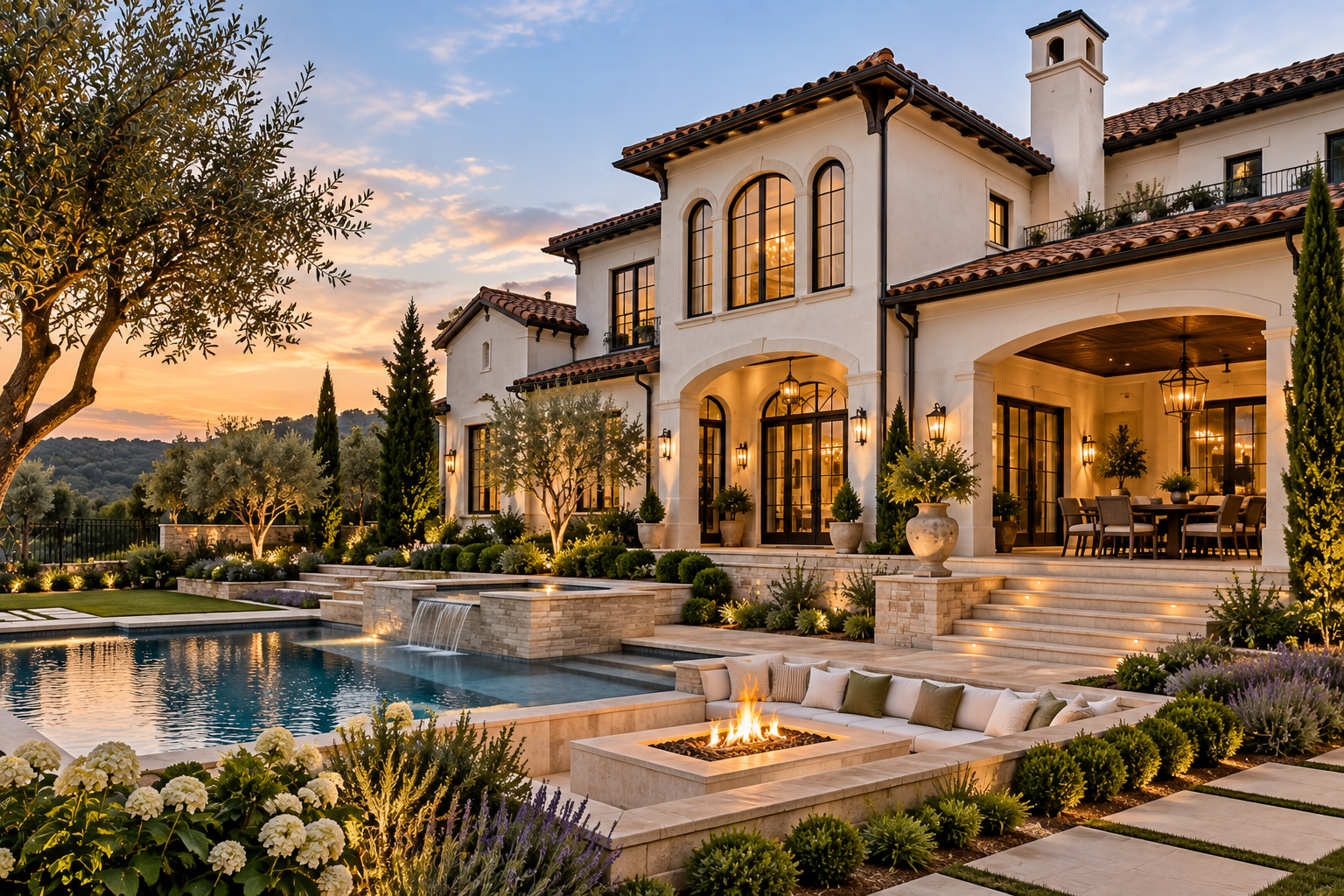
The Bottom Line
One Beautiful Home. Multiple Surface-Specific Solutions.
Yes, brick, stucco, and siding can be painted as part of the same exterior project. But achieving a cohesive appearance does not mean using identical preparation or coating systems on every material.
A professional exterior painting approach starts with evaluating each surface, addressing underlying issues, selecting compatible materials, and coordinating colors for the overall architecture. That attention to detail can help create a beautiful result while reducing avoidable coating problems.
Common Questions
Brick, Stucco & Siding Painting FAQs
Can brick, stucco, and siding be painted the same color?
Yes. Many homeowners use one coordinated color across multiple exterior materials. However, the same color may appear different because of texture, lighting, and sheen. Each material may also require a different compatible coating.
Is it a good idea to paint exterior brick?
Painting brick can be an attractive option, but it should be considered carefully. Brick must be evaluated for moisture, previous coatings, and masonry condition. Traditional paint, mineral coatings, and limewash offer different appearances and maintenance considerations.
Can you paint stucco without repairing cracks?
Cracks should be evaluated before painting. Some may require appropriate cosmetic repairs, while others may indicate movement or moisture problems that need further investigation. Paint alone is not a substitute for necessary repairs.
Can vinyl siding be painted a darker color?
Sometimes, but the selected color and coating must be suitable for vinyl siding. Darker colors can absorb more heat and may contribute to distortion. Always follow the siding and paint manufacturers' requirements.
Does every exterior surface need primer?
Not necessarily. Primer requirements depend on the material, existing coating, repairs, and selected paint system. Bare or repaired areas may need primer, while some previously painted surfaces can be recoated after proper preparation.
How long does it take to paint a house with multiple exterior materials?
The timeline depends on the size and condition of the property, preparation requirements, repairs, crew size, weather, and coating application conditions. A detailed site assessment is necessary to establish a realistic schedule.
Does Hopewell Painting work on mixed-material exteriors?
Hopewell Painting provides exterior painting services for homes throughout Cumming, Alpharetta, Milton, Roswell, Johns Creek, and surrounding North Georgia communities. We evaluate exterior materials and project conditions to develop an appropriate painting scope.
Professional Exterior Painting in North Georgia
Ready to Transform Your Home's Exterior?
Hopewell Painting helps homeowners throughout Cumming, Alpharetta, Milton, Roswell, Johns Creek, and surrounding North Georgia communities plan detailed exterior painting projects. From surface preparation and wood rot repairs to premium coatings and architectural details, we believe every surface deserves the right attention.
Because every detail matters.
