
How to Make an Older Cumming, GA Home Look More Expensive Without a Full Remodel
Making an older home feel more expensive does not always require removing walls, replacing every finish, or committing to a major renovation. Often, the biggest transformation comes from improving the surfaces and details you already have—and making the entire home feel more intentional.
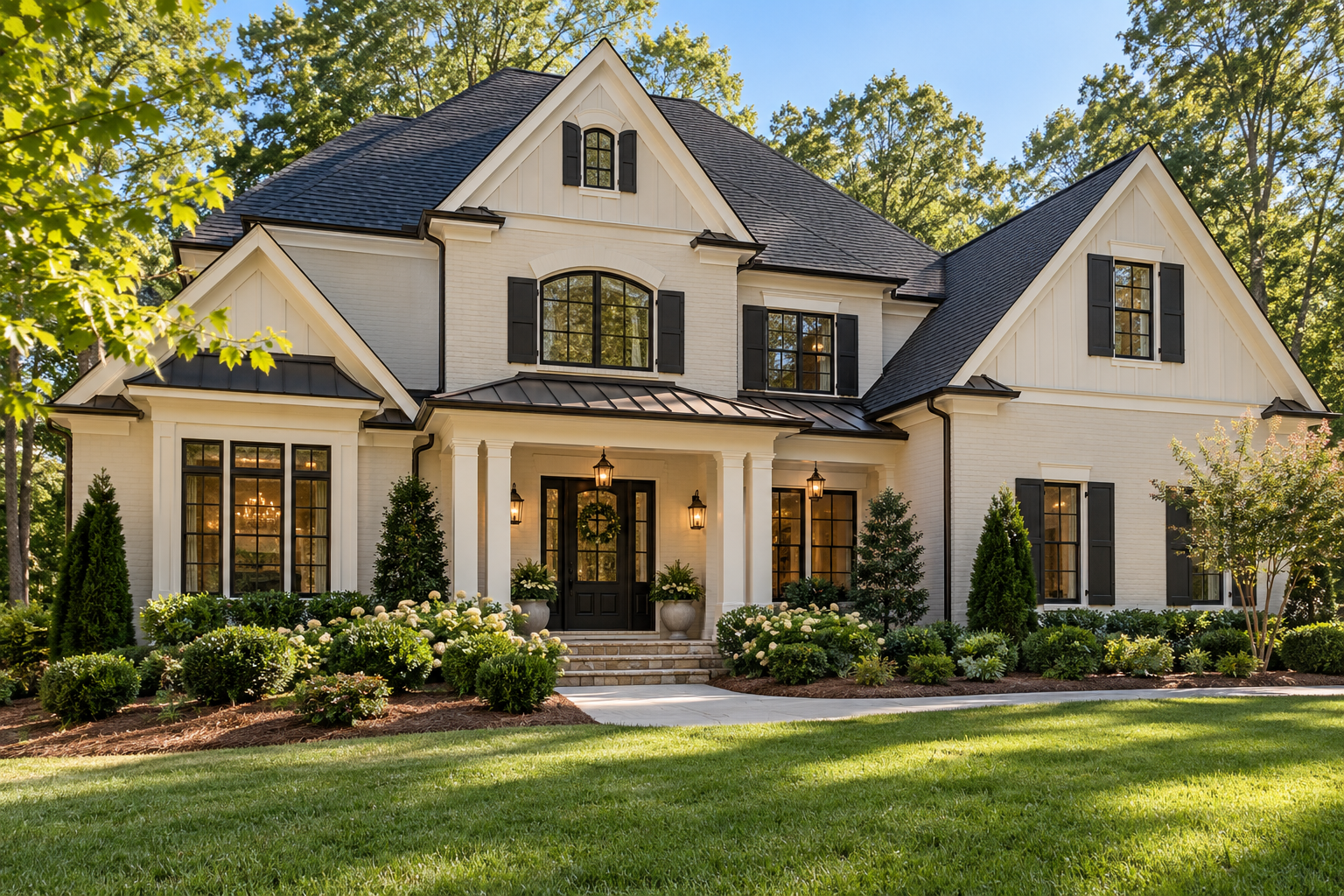
Cumming Home Upgrade Guide
How Can You Make an Older Home Feel More Expensive?
Cumming and the surrounding Forsyth County area have homes from many different building eras. Some have beautiful traditional architecture and generous rooms but still carry paint colors, finishes, cabinets, trim, or exterior details that make the property feel more dated than it needs to.
The good news is that “dated” and “needs a full remodel” are not the same thing. Before replacing materials that are still in good condition, look at the visual elements that cover the most space and the details your eye notices first.
Fresh paint, cleaner trim, refinished doors, updated cabinets, repaired surfaces, and a more cohesive exterior can dramatically change how polished a home feels without changing its basic footprint.
The High-Impact Approach
Expensive-Looking Homes Usually Feel Cohesive, Not Simply New
A high-end home does not need every surface to be brand new. What matters more is whether the colors, finishes, architectural details, and transitions feel deliberate. When one room is yellow-beige, another is cool gray, the trim is worn, and doors have years of touch-ups, even a well-built home can feel visually disconnected.
Updating those elements together creates continuity. A thoughtful wall color can make existing floors look better. Fresh trim can sharpen the architecture. A professionally finished front door can make the entrance feel more substantial. Painted cabinets can completely change the character of a kitchen without replacing the cabinet boxes.
The goal is not to erase the age of the home. It is to keep the character worth keeping while removing the finishes that make it feel tired.
Before You Remodel
Start With the Details That Are Making the Home Feel Dated
Before deciding that a room needs to be rebuilt, identify what is actually creating the dated feeling. Sometimes the architecture is perfectly good and the problem is simply an older combination of color, sheen, worn finishes, and neglected details.
Look at the house as a whole. Walls, ceilings, trim, doors, cabinets, stairways, fireplaces, exterior trim, shutters, garage doors, and the front entrance all contribute to the way the property feels.
Prioritizing the most visible surfaces first can create a much larger transformation than spreading the budget across several small upgrades that do not visually connect.
Explore our interior painting servicesDated Color
Yellowed neutrals, mismatched grays, heavy accent colors, and inconsistent touch-ups can make otherwise attractive rooms feel older.
Worn Trim & Doors
Scuffed baseboards, chipped door edges, old caulk, and rough finishes quietly reduce the polished feeling of an interior.
Older Cabinets
Cabinet color and finish influence an entire kitchen. Structurally sound cabinets may not need to be replaced to create a completely different look.
Neglected Exterior Details
Peeling trim, failed caulk, faded shutters, worn doors, and damaged fascia can make the whole property look less maintained from the street.
Create a More Cohesive Paint Palette
Wall color covers more visual space than almost any decorative element in a home. If the existing colors are dated or change dramatically from room to room, updating the palette can immediately make the house feel calmer, brighter, and more considered.
That does not mean every room has to be identical. A sophisticated palette can use related neutrals, subtle contrast, and carefully chosen accent spaces while still allowing the home to flow naturally from one area to the next.
Choose paint around the materials that are staying—especially flooring, countertops, stone, tile, cabinetry, and major furniture—not from a color chip in isolation.
Refresh the Trim, Doors & Millwork
Trim is one of the details that separates a freshly painted room from a truly finished room. Baseboards, door casings, crown molding, window trim, interior doors, and other millwork create the lines that frame the entire space.
When those surfaces are chipped, yellowed, heavily brushed, or covered in years of touch-ups, repainting only the walls can leave the room feeling incomplete. Proper preparation and a smooth, durable finish can make existing millwork look considerably more refined.
On older painted trim, preparation matters. Cleaning, sanding, filling, caulking, and using the appropriate primer can be just as important as the final coat.
Transform the Kitchen Without Replacing the Cabinets
Kitchens strongly influence how updated a home feels, but a full cabinet replacement can quickly turn into a major renovation. If the existing cabinet boxes and layout still work well, refinishing or painting them may provide a much more dramatic visual change than their age suggests.
A new cabinet finish can work with updated hardware, lighting, counters, backsplash, or existing materials to give the kitchen a more intentional direction while keeping the parts that still function well.
Cabinet painting is a finish system, not simply wall paint applied to cabinetry. Degreasing, sanding, priming, and using a durable cabinet-grade coating are essential.
Do Not Forget the Ceilings & Overhead Details
Ceilings are easy to overlook because homeowners rarely stare directly at them, yet they influence how clean and bright the entire room feels. Aging ceiling paint, old patches, stains, uneven touch-ups, or dated textures can make freshly painted walls feel less finished.
In foyers, great rooms, kitchens, and other highly visible spaces, a clean ceiling creates a crisp backdrop for lighting, crown molding, beams, and tall architectural features.
Water stains or recurring discoloration should be investigated before painting. Cosmetic paint should never be used to hide an active moisture problem.
Use Paint to Emphasize the Architecture You Already Have
Older homes often contain details that would be expensive to recreate today: substantial trim, staircases, built-ins, fireplaces, paneled walls, tall foyers, detailed windows, or traditional millwork. Those features can become assets when the surrounding finishes are simplified and coordinated.
Rather than adding more decorative elements, consider whether the home already has enough character. A restrained color plan can allow existing craftsmanship to become the focal point instead of competing with it.
Sometimes the most luxurious-looking choice is not adding another feature—it is giving the best existing feature enough visual space to stand out.
Refresh the Exterior Before Replacing It
Curb appeal shapes the first impression of the entire property. Faded siding, peeling trim, weathered shutters, worn garage doors, cracked caulk, and a tired front entrance can make an older home look neglected even when the structure itself is in good condition.
A detailed exterior refresh can bring those pieces back together. Depending on the home, that may include siding, trim, fascia, soffits, windows, shutters, doors, garage doors, porch details, or selected masonry surfaces.
Exterior preparation should come before color. Failed caulk, peeling coatings, damaged wood, and other surface problems need to be addressed so the finished exterior looks cared for—not simply covered.
Details That Change Everything
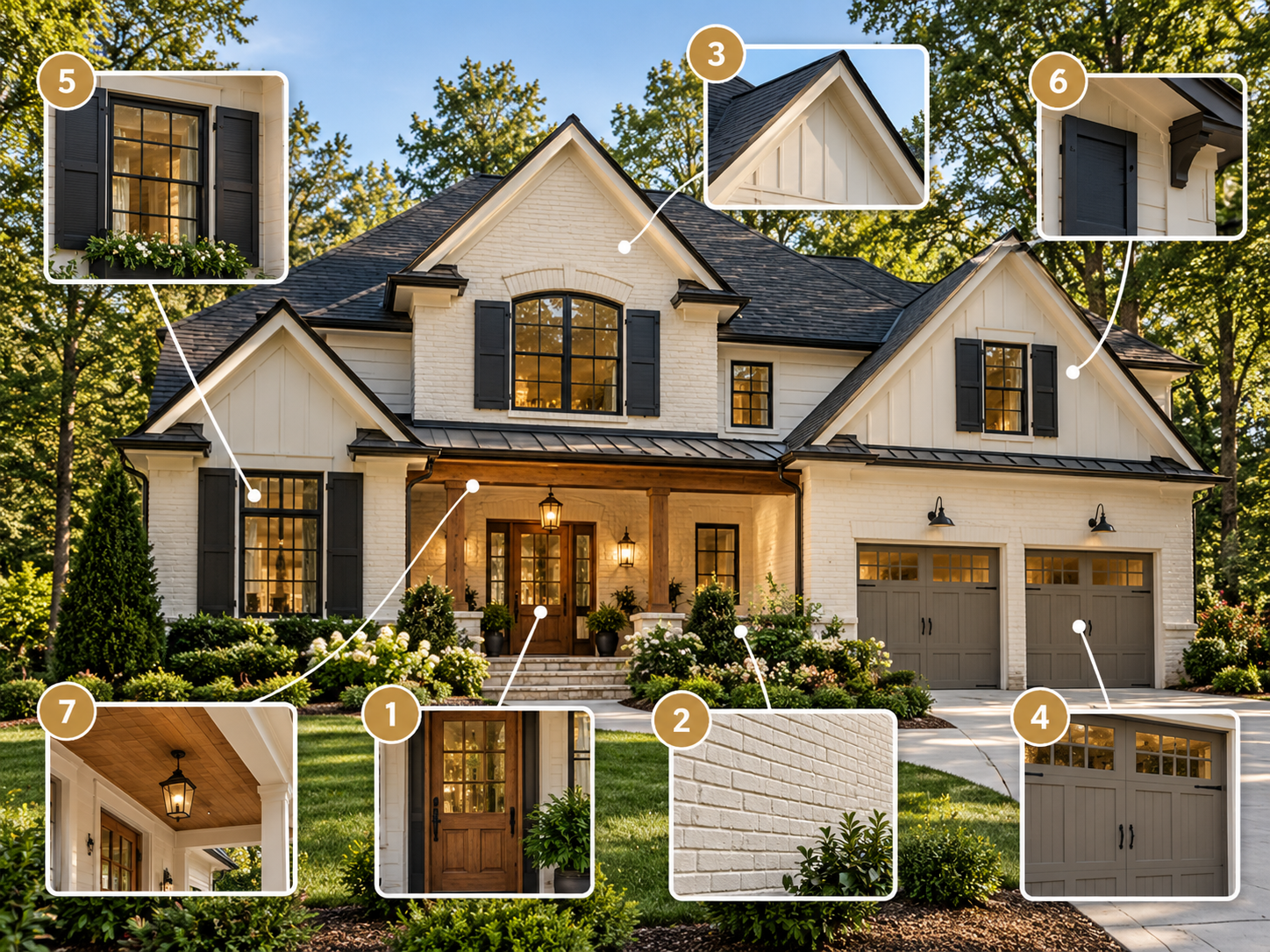
Six Small Areas That Can Make an Older Home Look More Finished
A clean, well-finished front door creates a focal point and can make the entrance feel more substantial before a guest ever steps inside.
Crisp edges, repaired gaps, and clean baseboards create the subtle precision people associate with a well-maintained home.
Doors repeat throughout the house. A consistent smooth finish can therefore have more visual impact than homeowners initially expect.
Because stairs often sit near an entry or central living area, updating surrounding walls, risers, trim, and selected railing elements can transform a major sightline.
These large exterior elements can either support the architecture or dominate it. Coordinating their finish with the full exterior makes the facade feel considered.
Nail holes, cracks, dents, peeling paint, rough patches, and failed caulk are small individually but collectively make a home feel less finished.
Where to Spend First
Four High-Impact Updates When You Are Not Doing a Full Remodel
If you are improving an older home in stages, start with the areas that influence the largest sightlines and repeat throughout the property. A focused plan often creates a more convincing transformation than a collection of unrelated upgrades.
Whole-Home Impact
Walls + Trim
Updating the main wall palette while refreshing worn trim creates one of the most noticeable changes because those surfaces connect nearly every room.
Kitchen Impact
Cabinet Finish
When the layout and cabinet boxes are still functional, a professionally refinished cabinet system can change the visual direction of the entire kitchen.
First Impression
Front Entry
The front door, surrounding trim, porch details, and nearby finishes form a small area with an outsized influence on how expensive the exterior feels.
Curb Appeal
Exterior Details
Refinishing trim, shutters, garage doors, fascia, and other visible details can sharpen an exterior even when major materials such as brick or stone remain.
Professional insight: Before choosing individual projects, stand at the main entrance, kitchen, primary living area, and street view. The surfaces visible from those major sightlines usually deserve priority because improving them changes how the largest portions of the home are perceived.
Spend Where It Shows
You Do Not Have to Update Everything at the Same Time
A staged improvement plan can work extremely well when each phase supports the same overall direction. Instead of randomly updating one room at a time, decide what you want the entire home to feel like and prioritize the surfaces that connect those spaces.
For many older Cumming homes, the first phase may be the main living areas, foyer, kitchen, trim, and doors. Exterior work can be approached the same way by focusing first on the entrance and the most visible elevations and details.
- Choose a cohesive whole-home color direction before buying paint
- Prioritize the foyer, kitchen, living areas, and main sightlines
- Repair visible imperfections instead of painting over them
- Refresh trim and doors when worn finishes are aging the room
- Keep good-quality architectural details instead of automatically replacing them
- Make the front entrance and street-facing exterior feel intentional
The Bottom Line
A More Expensive-Looking Home Is Usually About the Details
You do not need to remove everything old to make an older Cumming home feel current. In many cases, the architecture, cabinetry, trim, brick, or other materials are worth keeping. What they need is a better visual framework around them.
A cohesive paint palette, properly prepared trim, smooth doors, refreshed cabinets, clean ceilings, thoughtful exterior colors, and repaired details can make the same house feel considerably more polished without changing its footprint.
The best improvements are the ones that make the home feel intentional from room to room and from the street to the front door. That is where preparation, craftsmanship, and attention to small details become just as important as the color itself.
Common Questions
Updating an Older Cumming, GA Home FAQs
What is the easiest way to make an older home look more expensive?
Start with the surfaces that occupy the most visual space and repeat throughout the home. A cohesive wall palette, refreshed trim and doors, repaired imperfections, and cleaner finishes can make a major difference without changing the floor plan.
Should I paint my cabinets or replace them?
If the cabinet boxes are structurally sound and you are satisfied with the layout, painting or refinishing may be worth considering. If the cabinetry is damaged, poorly constructed, or the layout no longer works, replacement may make more sense.
Do I need to paint the entire house for it to feel updated?
Not necessarily. Prioritize connected spaces and major sightlines such as the foyer, kitchen, living room, hallways, and primary gathering areas. A coordinated partial update can feel more intentional than several unrelated room-by-room changes.
What makes freshly painted rooms still look dated?
Worn trim, chipped doors, old caulk, ceiling stains, visible repairs, dated cabinets, and colors that fight with existing floors or countertops can all keep a freshly painted room from feeling fully updated.
What exterior updates give an older home better curb appeal?
The front door, trim, shutters, garage doors, fascia, soffits, siding, porch details, and visible repairs all influence curb appeal. The best combination depends on the home's existing brick, stone, roofing, architecture, and condition.
Can professional painting make a home feel more modern without remodeling?
Yes. When the underlying materials are in good condition, updated colors and properly prepared finishes can change how the architecture, cabinetry, trim, doors, and exterior details are perceived without requiring a full renovation.
Interior & Exterior Painting in Cumming, GA
Ready to Make Your Home Feel Fresh, Refined & More Intentional?
Hopewell Painting helps homeowners in Cumming, Alpharetta, Milton, Roswell, Johns Creek, Suwanee, and surrounding North Georgia communities update their homes through detailed interior and exterior painting. From preparation and repairs to trim, doors, cabinets, walls, and exterior finishes, we focus on the details that bring the entire project together.
Because every detail matters.
