
When temperatures drop, most homeowners stop thinking about painting. Exterior projects may need to wait for suitable weather, but what about the rooms inside your home? Winter might actually be one of the best times to refresh them.
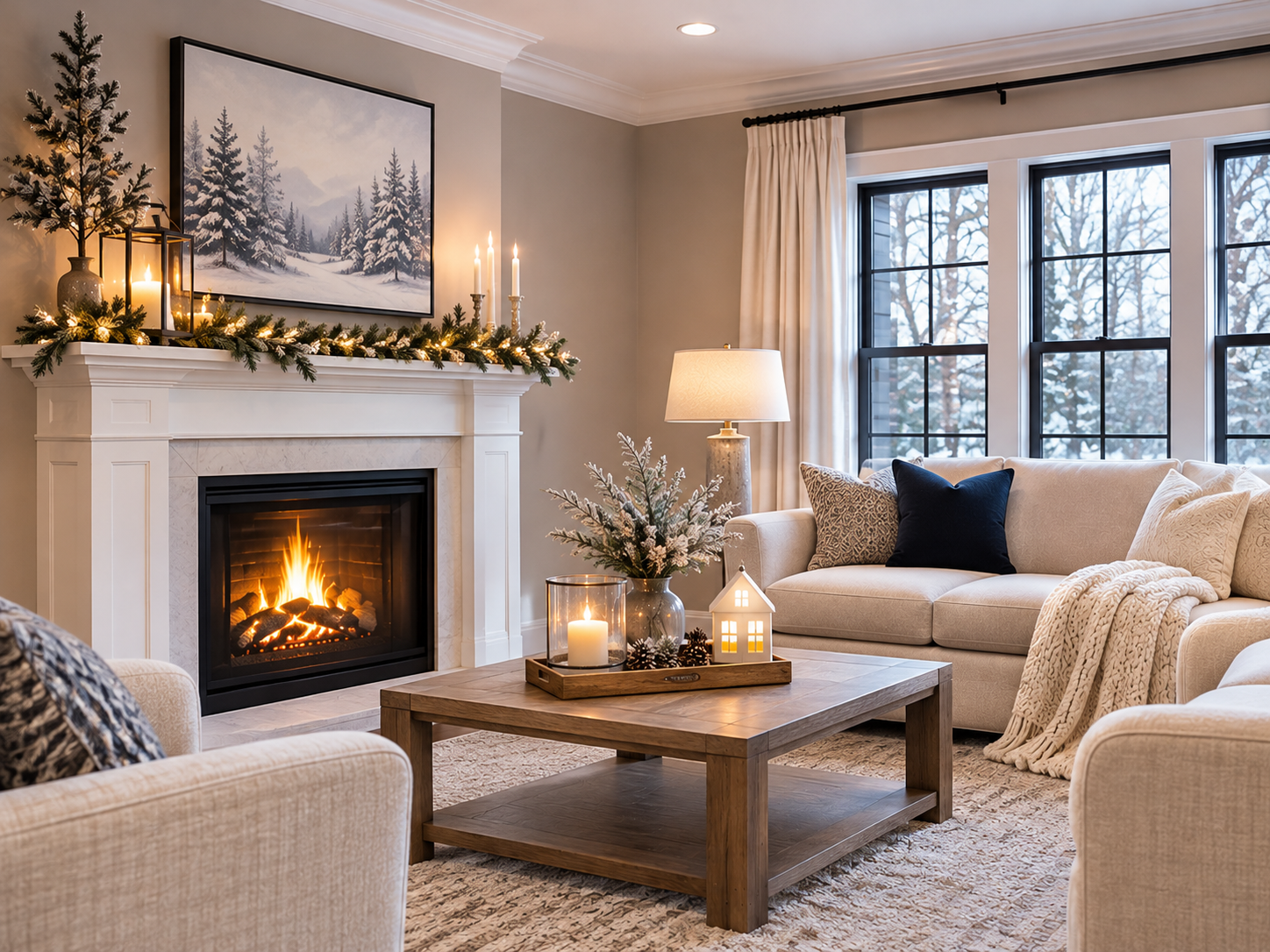
Why Winter Is Actually a Great Time to Paint Your Home's Interior.
Many homeowners associate painting with spring and summer. But while exterior projects depend heavily on outdoor conditions, interior painting offers much more flexibility.
With proper indoor temperatures, ventilation, surface preparation, and quality materials, winter can be an excellent season to transform your living spaces.
For homeowners in Cumming, Alpharetta, Milton, Roswell, Johns Creek, and surrounding North Georgia, winter offers an opportunity to improve the spaces where you spend the most time.
You Don't Have to Wait Until Spring to Refresh Your Home.
Winter weather can make exterior painting more challenging, especially when temperatures fall below a coating's recommended application range. Interior painting, however, takes place in a more controlled environment.
Your heating system can help maintain suitable room temperatures, and careful planning can provide the airflow needed during painting and drying.
The result? You may be able to complete a beautiful interior transformation months before the traditional spring home improvement rush.
Five Reasons Winter Deserves a Place on Your Painting Calendar.
Beyond the obvious benefit of fresh walls, winter interior painting offers several practical advantages worth considering.
Winter May Offer More Flexible Painting Appointments.
Spring and summer are popular seasons for exterior painting, deck staining, and other outdoor home improvements.
During winter, some contractors have fewer weather-dependent exterior projects. Depending on their workload, this can create additional opportunities for interior painting appointments.
Scheduling flexibility isn't guaranteed, and winter doesn't automatically mean lower prices. But asking about winter availability can be worthwhile if you've been putting off an interior project.
Homeowner tip: Contact your painter early, especially if you're planning several rooms or need work completed before a specific date.
Indoor Painting Is Less Dependent on Outdoor Weather.
One of the biggest advantages of interior painting is that your home's climate can be managed independently of many outdoor weather conditions.
When your heating system maintains an appropriate temperature, the indoor environment may remain suitable for paint application even on a cold day.
However, room temperature isn't the only factor. The surface being painted must also meet the product's requirements. Exterior-facing walls and poorly insulated areas may be cooler than the surrounding air.
Humidity, ventilation, and drying time also need attention. A professional painting process accounts for these conditions rather than assuming every heated room is ready to paint.
Homeowner tip: Follow the specific paint manufacturer's application and drying requirements, including surface temperature.
Refresh the Spaces Where You Spend the Most Time.
When the weather gets colder, families naturally spend more time inside. That means scuffed walls, outdated colors, and worn trim may become more noticeable.
Fresh paint can help make your living room feel more inviting, your bedroom more peaceful, or your home office more polished and comfortable.
You don't have to repaint your entire home to see a difference. Updating a few high-use spaces can create a noticeable improvement.
Homeowner tip: Start with the rooms you use every day. Those improvements are often the most immediately rewarding.
Finish Interior Improvements Before Spring Arrives.
Spring often brings a long list of outdoor projects: landscaping, pressure washing, deck maintenance, exterior repairs, and seasonal cleaning.
Completing interior painting during winter can help separate those projects instead of trying to manage everything at once.
This approach can be especially helpful for homeowners preparing to sell, planning renovations, or simply working through a list of improvements.
Homeowner tip: If you're replacing flooring, installing cabinetry, or making drywall changes, coordinate the order of work before scheduling your final paint coats.
Why Spend Another Season Looking at Walls You Want to Change?
Sometimes the biggest advantage of painting during winter is simply getting the project completed sooner.
Instead of waiting months to update worn walls, repair visible imperfections, or replace a color you no longer love, you can begin enjoying the transformation now.
Carefully selected colors and professional finishes aren't seasonal decorations. They can complement your home throughout the entire year.
Homeowner tip: Choose colors that work with your home's permanent finishes and natural light throughout the year.
Six Things That Matter When Painting Indoors During Winter.
Winter painting can produce excellent results, but the details matter. These are the conditions worth checking before the first coat.
Maintain indoor air and surface temperatures within the selected paint's recommended range.
Provide appropriate fresh-air exchange and follow product ventilation instructions while maintaining suitable painting conditions.
Monitor indoor humidity when necessary. Both very dry and excessively humid conditions can affect paint application and drying.
Clean, repair, sand, caulk, and prime surfaces as needed before applying finish paint.
Choose suitable interior coatings for the room, surface, durability needs, and desired finish.
Follow recoat instructions and allow the paint to develop durability before heavy cleaning or contact.
Winter Exterior Painting vs. Winter Interior Painting.
The same season can create very different conditions depending on where the work takes place.
Exterior Painting in Winter
Exterior surfaces are exposed to changing temperatures, moisture, wind, and weather forecasts.
Important considerations- Outdoor and surface temperatures
- Rain, frost, and moisture
- Product-specific application limits
- Suitable drying conditions
Interior Painting in Winter
Heated interior spaces can offer more consistent conditions when temperature, ventilation, and humidity are properly managed.
Important considerations- Stable indoor and surface temperatures
- Appropriate ventilation
- Humidity and airflow
- Thorough preparation and curing time
Beautiful Winter Interiors Begin With Proper Preparation.
At Hopewell Painting, we believe professional painting is about much more than applying color.
Our philosophy is simple: 80% preparation and 20% painting.
From protecting furniture and flooring to repairing imperfections, preparing surfaces, and applying premium Sherwin-Williams coatings, every step contributes to the final result.
Whether you're refreshing one room or repainting your entire interior, our goal is a carefully finished space you can enjoy year-round.
- Careful protection of your home
- Detailed drywall and surface preparation
- Proper priming where needed
- Premium interior paint products
- Professional finishing and final inspection
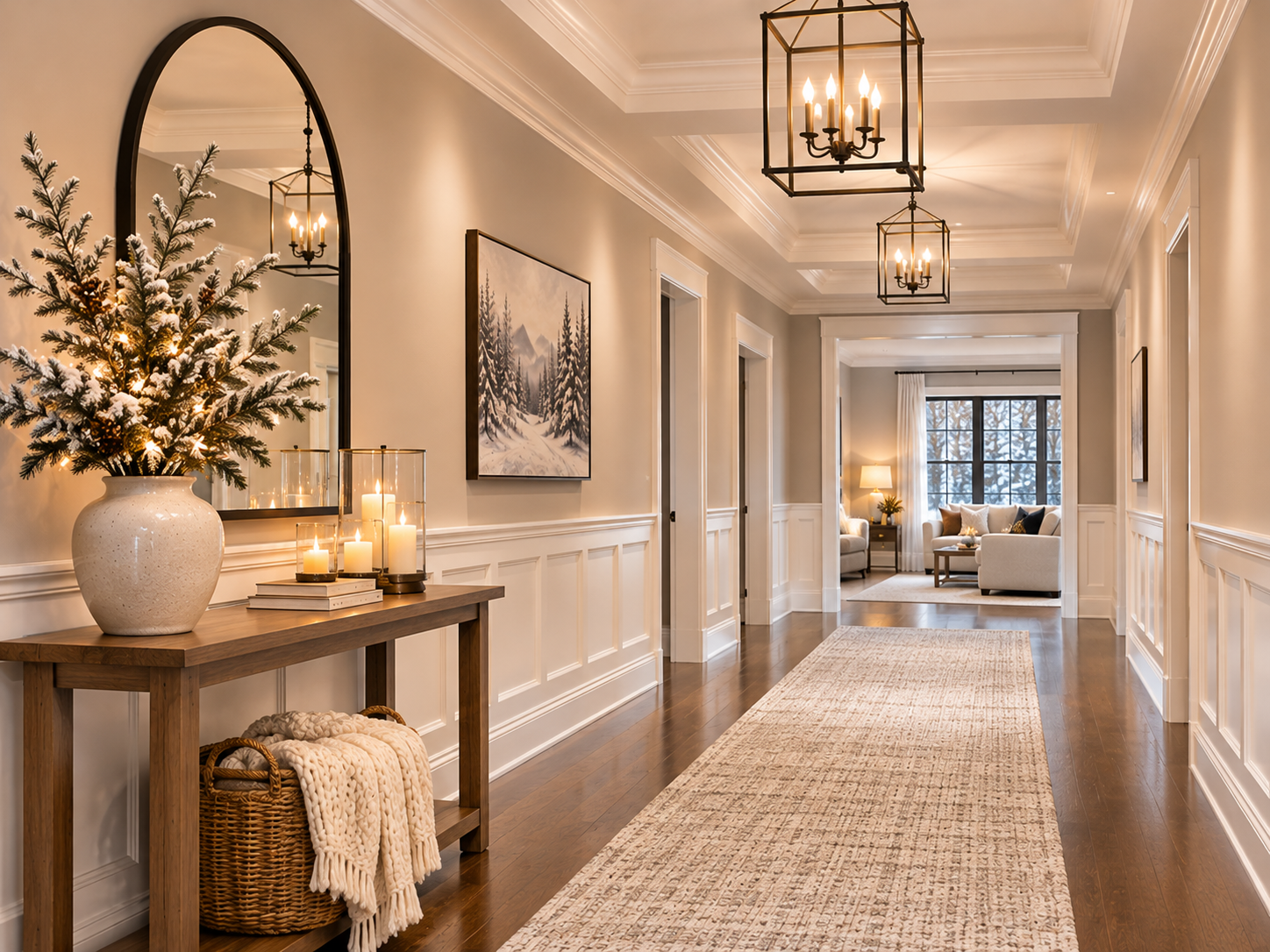
Winter Might Be the Perfect Time for Your Next Interior Refresh.
You don't need to wait for spring to enjoy freshly painted walls, updated colors, or beautifully finished trim.
With suitable indoor conditions, proper ventilation, thoughtful preparation, and the right coatings, interior painting can be completed successfully during winter.
If you've been considering an interior transformation, the colder months may be an ideal time to get started.
Frequently Asked Questions About Interior Painting in Winter.
Is winter a good time to paint inside your house?+
Yes. Interior painting can be completed successfully in winter when indoor air and surface temperatures, humidity, and ventilation meet the coating manufacturer's requirements.
What temperature should my house be for interior painting?+
The appropriate temperature depends on the paint product. Check the manufacturer's technical instructions for both air and surface temperature requirements during application and drying.
Does interior paint take longer to dry in winter?+
It can, especially if surfaces are cold or airflow is limited. In a properly heated and ventilated environment, interior paint may dry within its normal specified range. Follow product recoat instructions.
Can you paint indoors with the heat running?+
Yes, a heating system can help maintain suitable indoor conditions. Avoid directing excessive heat or strong airflow at freshly painted surfaces, and follow the coating manufacturer's instructions.
Do I need to open my windows when painting in winter?+
Appropriate ventilation is important even during colder weather. Follow product guidance for fresh-air exchange and ventilation, while keeping the room and surfaces within the recommended temperature range.
Is winter interior painting cheaper?+
Not necessarily. Pricing depends on the project size, preparation, repairs, materials, and labor. Some contractors may have different seasonal availability, but discounts should never be assumed.
What rooms should I paint during winter?+
Living rooms, bedrooms, home offices, dining rooms, hallways, and other interior spaces can be good candidates. Choose rooms based on their condition, your priorities, and how the work can be scheduled.
Does Hopewell Painting offer winter interior painting in North Georgia?+
Hopewell Painting serves homeowners in Cumming, Alpharetta, Milton, Roswell, Johns Creek, and surrounding North Georgia communities. Contact our team to discuss your project and current scheduling availability.
Ready to Refresh Your Home This Winter?
From a single-room transformation to a complete interior repaint, Hopewell Painting brings professional preparation, premium materials, and attention to every detail.
Request Your Interior Painting EstimateCumming · Alpharetta · Milton · Roswell · Johns Creek
Because every detail matters.
