
The Best Time of year to paint your home in north georgia
A beautiful, long-lasting exterior paint job depends on more than choosing the right color. Temperature, humidity, rainfall, sunlight, and overnight conditions all influence how well exterior paint adheres, cures, and protects your home.
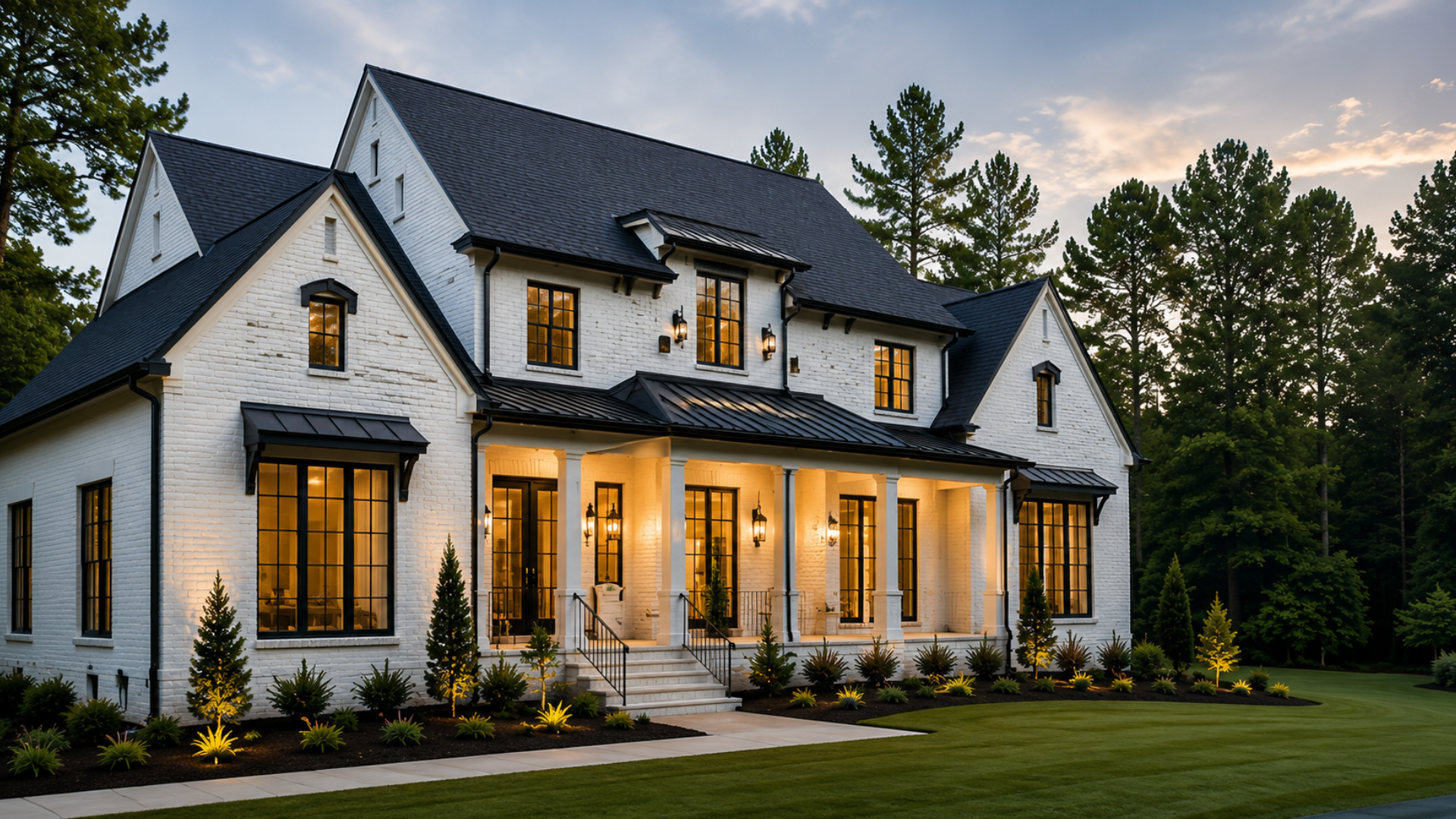
Better Timing. Better Results.
A Great Paint Job Starts With the Right Weather Window
One of the first questions homeowners ask when planning an exterior project is, “When is the best time of year to paint my house?”
Most people assume the answer is simply whenever it feels warm outside. In reality, professional painters consider much more than the afternoon temperature. Surface temperature, humidity, rain, wind, direct sunlight, and overnight lows all affect how a coating performs.
In North Georgia, where humid summers, sudden storms, mild winters, and changing temperatures are common, careful scheduling can make a noticeable difference in the appearance and longevity of your finish.
Why Timing Matters
Exterior Paint Does More Than Dry
After exterior paint is applied, it begins a curing process. During this time, the coating forms a durable protective film and bonds to your home’s siding, trim, doors, shutters, and other painted surfaces.
When conditions are unsuitable, that process can be interrupted. Excessive humidity may slow curing, unexpected rain can damage fresh coatings, intense sunlight can cause paint to dry too quickly, and cold overnight temperatures may interfere with proper adhesion.
That is why experienced painters do not schedule exterior projects based on the calendar alone. They evaluate the complete forecast and adjust the work according to the conditions surrounding each home.
Local Conditions
Understanding North Georgia’s Climate
North Georgia does not always experience long, perfectly predictable seasons. Conditions can change quickly, especially during spring and summer.
Within a single week, homeowners may experience warm afternoons, cool evenings, high humidity, strong sunlight, and an unexpected thunderstorm.
Fortunately, this region offers several excellent exterior painting seasons. The key is knowing what each season provides and how the painting process should be adjusted.
Explore our exterior painting servicesTemperature Changes
Warm afternoons can be followed by significantly cooler nights.
Humidity and Rain
Moisture may remain on surfaces even after the rain has stopped.
Direct Sunlight
Sun-exposed siding can become much hotter than the surrounding air.
Seasonal Storms
Sudden weather changes require flexibility and careful planning.
A Fresh Start for Your Home
Spring marks the beginning of exterior painting season across North Georgia. As temperatures become milder, homeowners often begin noticing the effects of winter weather.
Cracked caulking, faded color, peeling trim, mildew, and small areas of wood damage may become more visible. Addressing these concerns during spring can help prevent moisture from causing more extensive repairs.
Spring showers may occasionally interrupt the schedule, so flexibility is important. Homeowners planning projects before graduations, summer gatherings, or vacations should reserve their dates early.
Excellent Results With Proper Planning
North Georgia summers are hot and humid, but that does not automatically make summer a poor time to paint.
Professional painters adjust their workflow according to sunlight and surface temperature. Crews may begin earlier, work around the shaded sides of the home, and avoid applying coatings to surfaces that have become excessively hot.
A shaded wall at 8:00 in the morning behaves very differently from a sun-soaked wall at 3:00 in the afternoon. This is where experienced scheduling makes a significant difference.
North Georgia’s Sweet Spot
Fall is often one of the most dependable seasons for exterior painting in North Georgia.
As summer humidity begins to decrease, the region often experiences warm days, cooler evenings, and fewer afternoon thunderstorms. These stable conditions allow exterior coatings to dry and cure beautifully.
Fall is also an ideal time to refresh your home before holiday gatherings and winter weather. Because the season is popular, contractor schedules can fill quickly.
Possible During the Right Conditions
Winter is not automatically off-limits for exterior painting. North Georgia regularly experiences mild winter days that may fall within the approved application range for modern premium coatings.
However, the usable painting window is often shorter. Painters must monitor daytime temperatures, surface conditions, sunset times, and overnight lows more carefully.
A mild February week can sometimes provide better painting conditions than a rainy week in June. The forecast matters more than the month.
Professional Insight
It Is Not Just About the Season. It Is About the Weather Window.
The surrounding temperature must remain within the product’s approved application range.
Siding exposed to direct sunlight may be much hotter than the air.
A warm afternoon does not guarantee that paint will cure properly overnight.
High humidity can slow the drying and curing process.
Coatings need enough dry time before rain or heavy moisture arrives.
Strong wind and direct sun can affect spray patterns, drying, and finish quality.
Seasonal Comparison
Which Season Is Best for Exterior Painting?
Every season offers opportunities. The best results come from selecting a stable weather window and adjusting the process to current conditions.
March–May
Spring
Mild temperatures make spring an excellent time for preparation, repairs, and a complete exterior refresh.
June–August
Summer
Longer days and dependable drying conditions make summer productive when direct sunlight and heat are managed correctly.
September–November
Fall
Consistent temperatures and lower humidity often create North Georgia’s most dependable exterior painting conditions.
December–February
Winter
Exterior painting remains possible during mild winter weather, but daily conditions require closer monitoring.
Professional insight: The calendar is only part of the decision. Surface temperature, humidity, rain, wind, sunlight, and overnight lows should all be evaluated before painting begins.
Plan Before Paint Fails
Why Planning Ahead Pays Off
Many homeowners wait until paint is visibly peeling or bare wood is already exposed before contacting a painting contractor.
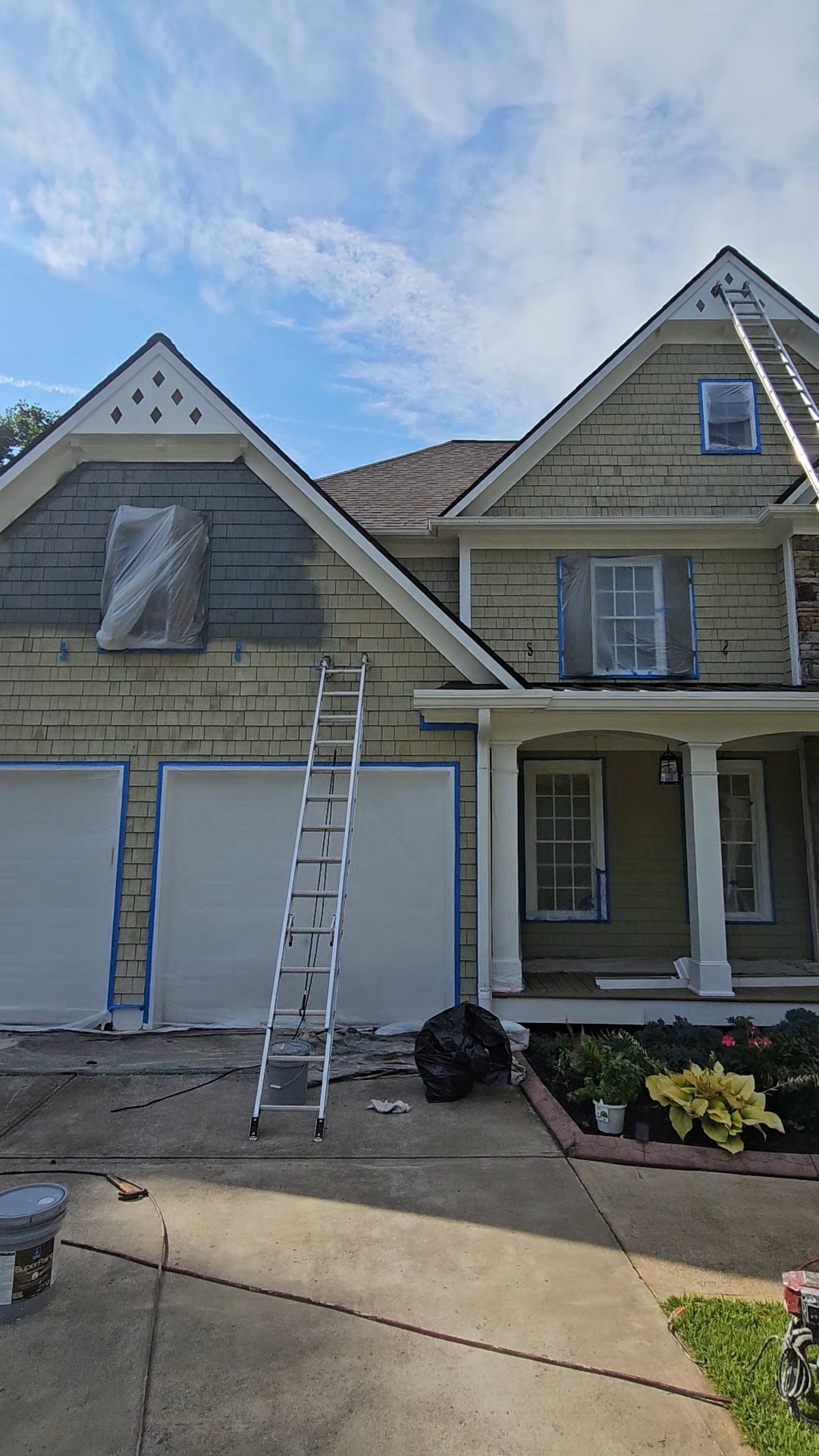
By that point, the project may require more scraping, priming, caulking, or carpentry repair. Scheduling before widespread failure gives your contractor more flexibility and helps protect the surfaces beneath the paint.
- More scheduling options
- Better weather selection
- Time to complete necessary repairs
- Less risk of moisture damage
- A longer-lasting coating system
The Bottom Line
So, When Is the Best Time to Paint?
There is no single perfect month for every exterior painting project. For many North Georgia homes, spring and fall provide the most consistently favorable conditions. Summer can also be excellent when heat and direct sunlight are managed properly, while winter projects are possible during carefully selected weather windows.
The most important factor is not simply the season. It is the combination of suitable weather, thorough preparation, premium materials, and professional planning.
Experienced painters do not only ask whether it is warm enough to paint. They ask whether the complete conditions will allow the coating to perform as intended.
Common Questions
Exterior Painting and Weather FAQs
Can you paint a house after it rains?
The surfaces must be fully dry before painting begins. Even when siding appears dry from a distance, moisture may remain in joints, shaded areas, wood, or porous materials. A professional painter should inspect the surfaces rather than relying on time alone.
What temperature is too cold for exterior painting?
The minimum approved temperature depends on the specific paint product. Many modern coatings can be applied in cooler conditions, but the surface temperature and overnight forecast must also remain within the manufacturer’s requirements.
Can exterior paint be applied during hot weather?
Yes, but painters must monitor the surface temperature and direct sunlight. Extremely hot siding can cause paint to dry too quickly, potentially affecting adhesion, leveling, and appearance.
How soon can it rain after a house is painted?
Drying requirements vary by product, temperature, humidity, and surface. The paint manufacturer’s instructions should always be followed, and extra curing time may be necessary during humid or cooler weather.
How far in advance should I schedule exterior painting?
Scheduling several weeks in advance is often helpful, especially during spring and fall. Early planning provides more flexibility for selecting a suitable weather window and completing repairs without rushing.
Exterior Painting in North Georgia
Plan Your Project Around More Than the Calendar
Hopewell Painting carefully evaluates your home, surface conditions, preparation needs, and the forecast before exterior painting begins. Our goal is to provide a beautiful finish that protects your home for years—not simply complete the project as quickly as possible.
Serving Cumming, Alpharetta, Milton, Roswell, Johns Creek, Sandy Springs, and surrounding North Georgia communities.
