
Should You Paint Your Walls, Trim, and Doors the Same Color? A Guide to Color Drenching
For years, white trim and contrasting walls were the default choice in residential design. Today, homeowners are exploring a more intentional approach: using color to connect walls, baseboards, doors, and architectural details into one cohesive space.
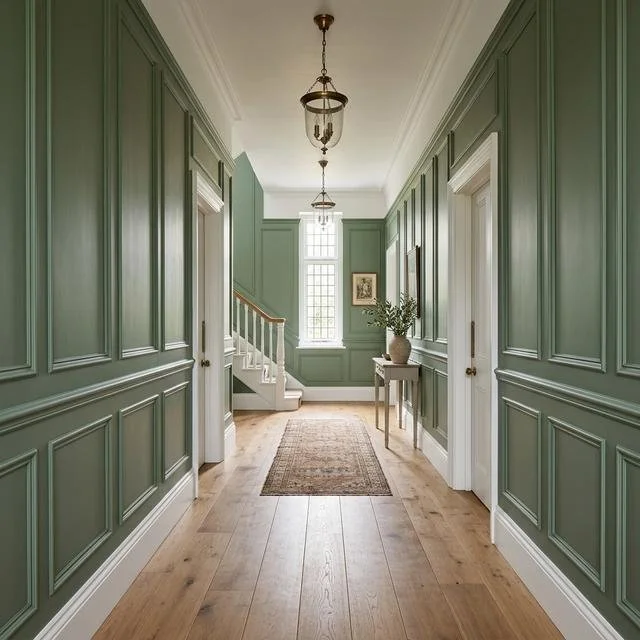
One Color, Three Surfaces. A Completely Different Room.
Choosing a wall color is only part of designing a beautiful interior. The way that color interacts with your baseboards, crown molding, doors, and window trim can dramatically change the overall result.
Should your trim stay white? Should your doors match your walls? Or should every painted surface share the same color?
For homeowners in Cumming, Alpharetta, Milton, Roswell, and surrounding North Georgia communities, these decisions are particularly relevant when updating traditional homes with a more refined, contemporary appearance.
The right choice depends on your architecture, lighting, design goals, and the atmosphere you want to create.
What Is Color Drenching?
Color drenching is a design technique that uses the same color across multiple surfaces in a room, often including walls, baseboards, crown molding, doors, and sometimes the ceiling.
Instead of allowing white trim to outline every architectural feature, the color continues across the room. This can create a seamless, enveloping appearance that feels calm, deliberate, and sophisticated.
Color drenching doesn't necessarily mean every surface must have the same sheen. A homeowner might choose a matte or eggshell finish for the walls and a more durable satin finish for the trim, while keeping the color consistent.
Four Elements That Influence the Final Look.
A paint color doesn't exist independently from the room around it. Architectural details, light, sheen, and furnishings all affect how a finished space feels.
Before deciding whether your walls and trim should match, consider how these elements work together.
Architecture
Detailed molding may deserve contrast, while simple trim can disappear elegantly into matching walls.
Natural Light
North-facing and shaded rooms may make colors appear cooler or deeper than expected.
Paint Sheen
Different finishes can create subtle variation even when the paint color is identical.
Furnishings
Flooring, cabinetry, upholstery, and hardware influence whether a monochromatic room feels balanced.
Contrasting White Trim With Colored Walls.
White trim remains a popular choice because it creates a clear distinction between walls and architectural details. Baseboards, crown molding, window casings, and door frames become visual outlines throughout the room.
This approach works particularly well in traditional interiors, where decorative molding is an important part of the home's character.
Soft white trim can complement warm greige, taupe, muted blue, or sage walls without creating an overly dramatic contrast.
However, the undertones of the white matter. A cool, bright white may feel disconnected from creamy walls or warm natural materials.
Design tip: Compare white trim samples beside your wall color in the actual room rather than selecting them separately.
Painting Walls and Trim the Same Color.
Matching walls and trim creates a more continuous appearance. Instead of emphasizing every edge, the room feels visually connected.
This can be especially effective in spaces with numerous doorways, windows, or transitions that would otherwise create a busy pattern of contrasting trim.
Warm off-whites, mushroom tones, soft taupes, and muted greens can create a sophisticated effect without making the room feel dark.
The same-color approach also allows furnishings, art, and natural materials to become stronger focal points.
Design tip: Matching color does not require matching sheen. Slight finish differences can preserve definition without adding another color.
Including Doors in the Color Scheme.
Interior doors are often overlooked when homeowners plan a repaint. Yet doors occupy significant visual space, especially in hallways and open-concept interiors.
Keeping doors white creates contrast and continuity with traditional white trim.
Painting doors to match the walls can produce a more integrated, architectural look.
Alternatively, doors can be painted a deeper complementary shade to create a deliberate accent without changing the entire room.
Because doors experience frequent handling, coating durability, adhesion, and proper surface preparation are particularly important.
Design tip: Consider how a door looks from both adjoining rooms. The best choice should make sense when the door is open or closed.
Using Different Sheens for Subtle Contrast.
Paint sheen influences how light reflects from a surface and how imperfections appear.
Flat and matte finishes generally reflect less light, creating a soft appearance that can minimize the visibility of minor wall imperfections.
Eggshell provides a gentle sheen commonly used on residential walls. Satin and semi-gloss finishes offer greater reflectivity and are frequently selected for trim, doors, and other detailed surfaces.
When using the same color on walls and trim, choosing different sheens can add dimension while maintaining a cohesive color palette.
The best finish depends on the product, surface, durability requirements, and desired appearance.
Professional tip: Paints with the same color formula may appear slightly different in different sheens. Always review actual samples before committing.
Should the Ceiling Match Too?
Extending the wall color onto the ceiling creates the fullest version of color drenching.
In bedrooms, libraries, offices, and intimate sitting rooms, this approach can make the space feel more enveloping.
Darker colors may create a cozy, dramatic atmosphere, while lighter neutrals can produce a gentle, unified effect.
Keeping the ceiling white, however, can preserve a more traditional sense of openness and contrast.
Neither approach is universally better. Ceiling height, room proportions, lighting, and personal preference should guide the decision.
Design tip: Test the proposed ceiling color in both daylight and evening lighting before committing to the entire room.
Why Preparation Matters More Than Ever.
A beautifully coordinated color scheme still depends on the quality of the surfaces beneath it.
When walls, trim, and doors share a color, the eye may notice differences in texture, sheen, and application more readily.
Trim often requires cleaning, sanding, caulking, filling, and appropriate priming before finish paint.
Previously painted doors may need additional preparation to promote adhesion and achieve a smooth finish.
A professional painting contractor should evaluate existing coatings and choose preparation methods suited to each surface.
Professional tip: Walls and woodwork should not automatically receive the same paint product simply because they share the same color.
Choosing a Look That Will Still Feel Beautiful Years From Now.
Trends can introduce homeowners to exciting design ideas, but lasting interiors are built around the home itself.
A traditional home with elaborate millwork may benefit from maintaining some contrast. A transitional interior may feel more refined when the walls and trim blend together.
For a timeless result, consider how the chosen palette connects with your flooring, countertops, cabinetry, and permanent architectural finishes.
You do not need to color drench every room. A single bedroom, study, or dining room can be an excellent place to introduce a more unified color scheme.
Design tip: Select colors for the home you have, not simply the photograph you admire.
Five Things to Avoid When Coordinating Walls, Trim, and Doors.
Two colors that look similar on a sample card can clash when their warm and cool undertones differ.
Reflectivity changes the appearance of a color and should be part of the initial design decision.
Doors, hallways, and open floor plans create visual connections between neighboring spaces.
Colors can look dramatically different in morning daylight, afternoon shadows, and artificial lighting.
Matching colors cannot hide damaged trim, rough patches, or poorly prepared doors.
A beautiful result should complement your home's architecture and your own preferences.
Traditional Contrast or Modern Color Drenching?
Both approaches can create beautiful interiors. The difference is where you want the eye to focus.
Contrasting Trim
Walls and trim are painted in distinct colors, commonly with white or off-white woodwork.
Often works well for:- Traditional architecture
- Decorative crown molding
- Classic white door finishes
- Defined architectural details
Matching Walls & Trim
Walls and woodwork share a coordinated color, with optional sheen differences for subtle dimension.
Often works well for:- Transitional interiors
- Calm, cohesive spaces
- Architecturally busy rooms
- Bedrooms, studies, and dining rooms
The Right Color Deserves the Right Finish.
At Hopewell Painting, we believe that interior painting should enhance the character of your home, not simply change its color.
Whether you prefer crisp white trim against soft neutral walls or a fully color-drenched interior, preparation and careful application are essential to the final result.
Our interior painting services include walls, ceilings, trim, doors, and detailed surface preparation according to the agreed project scope.
- Interior walls and ceilings
- Baseboards and crown molding
- Interior doors and frames
- Drywall and surface preparation
- Careful finish application
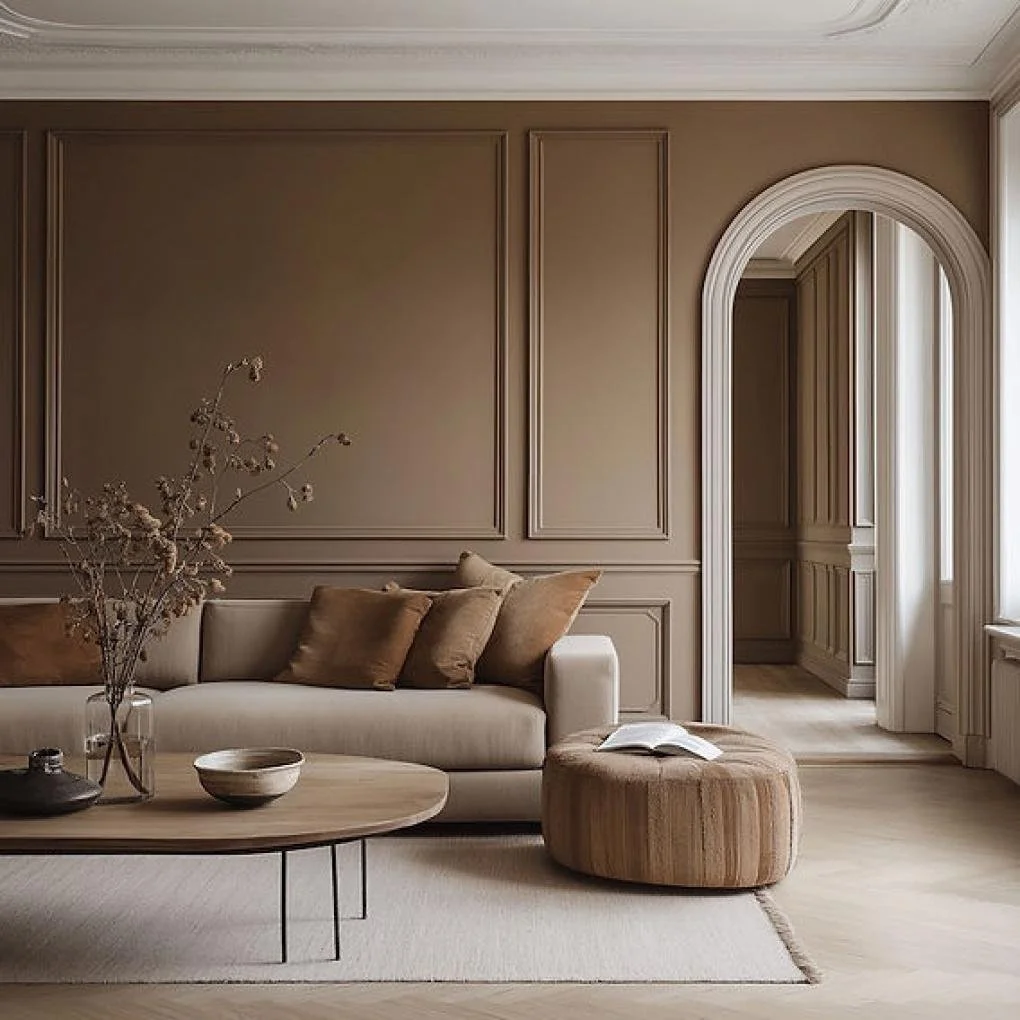
Should Your Walls, Trim, and Doors Be the Same Color?
There is no single correct answer. White trim offers familiar contrast and can beautifully emphasize traditional architectural details.
Matching walls and trim can create a softer, more seamless appearance, particularly in transitional and contemporary interiors.
Painting doors the same color can complete that effect, while thoughtful sheen differences preserve subtle visual interest.
The most successful choice is one that works with your home's architecture, lighting, and overall design. With careful preparation and professional application, either approach can look exceptional.
Common Questions About Matching Wall and Trim Colors.
Is color drenching a good idea for small rooms?+
It can be. Using one color throughout a small room may reduce visual interruptions and create a cohesive appearance. The result depends on color depth, lighting, and furnishings.
Should trim be the same sheen as the walls?+
Not necessarily. Many homeowners use a lower-sheen wall finish and a satin or semi-gloss trim finish. This can provide subtle contrast while maintaining a consistent color.
Will painting my doors the same color as the walls look strange?+
No. Matching doors can create an intentional architectural look, especially in color-drenched rooms. Consider the appearance from adjoining spaces before making a final decision.
Does color drenching make a room look smaller?+
Not always. Deep colors can create a cozy atmosphere, while lighter colors can feel airy. Removing contrasting trim lines may also make a space feel visually continuous.
Can I use the same paint on walls and trim?+
Using the same color is different from using the same product. Trim and doors may require specialized coatings and surface preparation to achieve suitable adhesion, durability, and appearance.
What colors work well for color drenching?+
Warm whites, soft taupes, mushroom tones, muted greens, and deeper blues are all possibilities. The best selection depends on natural light, flooring, furnishings, and personal preference.
Does Hopewell Painting paint walls, trim, and doors?+
Yes. Hopewell Painting provides interior painting services for walls, ceilings, baseboards, trim, and doors throughout Cumming, Alpharetta, Milton, Roswell, and surrounding North Georgia communities.
Bring Your Interior Vision to Life.
Whether you're considering a timeless contrast or a modern color-drenched interior, Hopewell Painting can help transform your space with careful preparation and attention to detail.
Request an Interior Painting EstimateServing Cumming, Alpharetta, Milton, Roswell, Johns Creek & surrounding North Georgia
Because every detail matters.
