
How Long Do Professionally Painted Kitchen Cabinets Last?
Professionally painted kitchen cabinets can provide years of attractive, dependable service when the cabinets are properly prepared, the correct primer and finish system are used, and the coating is allowed to cure before being subjected to normal kitchen wear. How long the finish lasts depends less on a single number and more on the quality of the entire refinishing process.
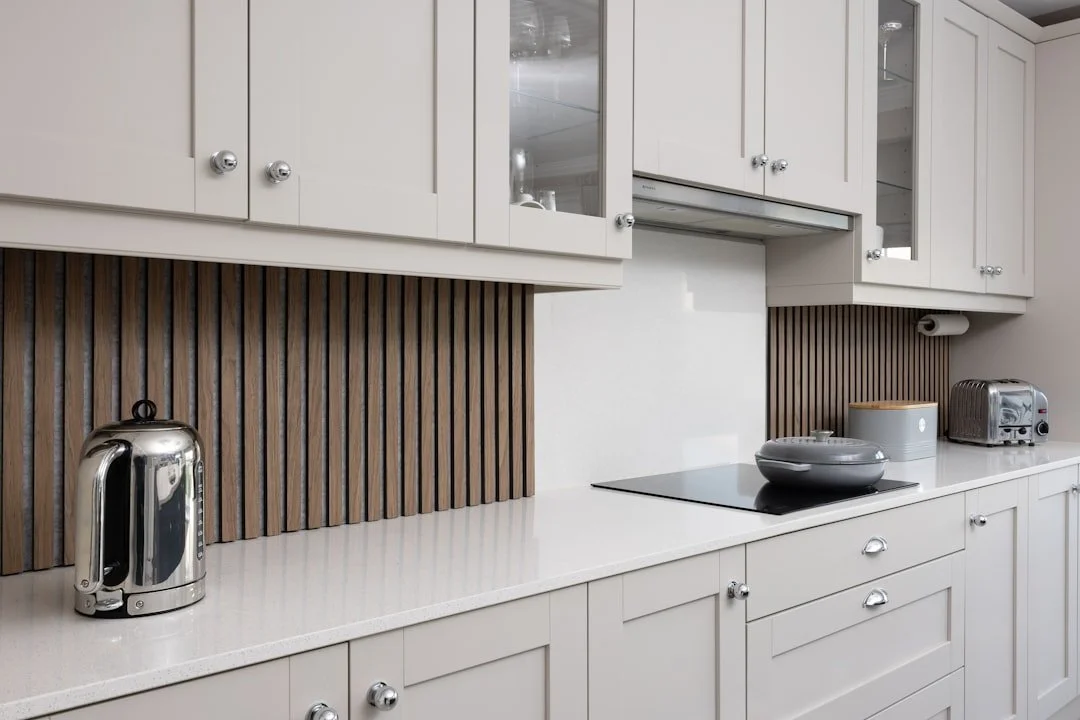
Cabinet Painting Durability
Do Painted Kitchen Cabinets Actually Hold Up?
This is one of the most important questions homeowners should ask before investing in cabinet painting. Kitchen cabinets are high-contact surfaces. They are opened, closed, touched, cleaned, bumped, and exposed to cooking residue, moisture, heat, and everyday household activity.
A cabinet finish therefore needs more than attractive color. It needs a sound surface underneath it, strong adhesion, an appropriate coating system, careful application, and enough curing time to develop its intended performance.
When those pieces work together, cabinet painting can be a durable way to transform a kitchen while preserving cabinetry that is still structurally sound.
There Is No Universal Expiration Date
How Many Years Can Painted Cabinets Last?
It is tempting to put one exact lifespan on every painted kitchen, but that would be misleading. Professionally refinished cabinets can remain attractive for many years, while poorly prepared cabinets may begin showing adhesion problems much sooner.
Longevity depends on the original cabinet material and finish, how thoroughly contaminants were removed, surface preparation, primer selection, finish quality, application, curing conditions, household use, moisture, cleaning habits, and how the cabinets are maintained.
Instead of asking only, “How many years will the paint last?” homeowners should also ask, “What process is being used to make the finish last?”
What Determines Durability?
The Four Factors That Matter Most
Cabinet finishes rarely fail for only one reason. Performance is the result of the entire system—from the condition of the original cabinets through the way the finished kitchen is used and cleaned.
Understanding these factors also helps homeowners compare professional cabinet painting proposals based on process rather than price alone.
Explore our cabinet refinishing servicesSurface Preparation
Grease, residue, failing coatings, and glossy surfaces must be addressed before primer and finish coats are applied.
Primer & Finish System
Products should be selected for the cabinet material, existing finish, color change, application method, and project conditions.
Curing
A coating can feel dry before it has developed the hardness and performance associated with a more complete cure.
Daily Use & Maintenance
Cleaning methods, moisture, repeated impacts, hardware, and household use all influence how the finish ages.
The Finish Cannot Outperform the Surface Beneath It
Kitchen cabinets accumulate contaminants that ordinary walls typically do not. Cooking oils, hand oils, waxes, cleaning products, food residue, and years of everyday use can interfere with adhesion if they remain on the surface.
Professional preparation may include cleaning and degreasing, sanding or deglossing, repairs, filling where appropriate, dust removal, masking, and evaluation of the existing coating before primer is applied.
Applying an expensive cabinet coating over a contaminated or poorly prepared surface does not correct the preparation underneath it.
The Bridge Between the Existing Cabinet and the New Finish
Primer is not simply an extra coat added to every project in exactly the same way. The appropriate primer depends on what the cabinets are made from, the existing coating, stain or tannin concerns, adhesion requirements, and the finish system being used.
On appropriate cabinet projects, a stain-blocking or bonding primer may be part of the system. The important point is that primer should be selected intentionally rather than treated as a one-product-fits-all step.
The existing cabinet surface should be evaluated before choosing the primer and coating system.
Cabinets Need a Coating Designed for High-Contact Surfaces
Kitchen cabinets should not be approached like ordinary bedroom walls. Cabinet doors and drawer fronts receive repeated hand contact, cleaning, abrasion, and impact. The selected finish should be appropriate for cabinetry, trim, or other high-contact surfaces.
At Hopewell Painting, the coating system is selected according to the project. On suitable projects, products such as Sherwin-Williams Emerald Urethane Trim Enamel may be used as part of a professional refinishing system.
Product quality matters, but even a premium coating still depends on correct preparation and application.
Dry to the Touch Does Not Mean Fully Cured
Freshly painted cabinets may feel dry relatively quickly, but coatings continue developing hardness and resistance after the surface can be touched. Exact dry, recoat, and cure times depend on the specific product and environmental conditions.
During the early curing period, homeowners should handle doors and drawers carefully, avoid aggressive cleaning, and follow the coating manufacturer's instructions for returning the finish to normal service.
Treating a freshly finished cabinet like a fully cured surface can create unnecessary marks or damage during the most vulnerable stage of the project.
Professional Insight
What Makes a Cabinet Finish More Likely to Last?
Oils, grease, waxes, and cleaning residue are removed before the coating system is applied.
Loose, damaged, or questionable coatings are evaluated rather than simply covered with new paint.
Surfaces are sanded, repaired, cleaned, and prepared according to their condition and material.
Primer is chosen according to adhesion, stain blocking, substrate, and project requirements.
Cabinet-grade coatings are applied carefully to produce a consistent, refined finish.
The finished cabinetry is handled and maintained appropriately as the coating develops its intended performance.
Cabinet Finish Longevity
What Helps—or Hurts—a Painted Cabinet Finish?
Cabinet durability is cumulative. Strong preparation, appropriate materials, careful application, curing, and reasonable maintenance all contribute to the life of the finish.
Before Painting
Preparation
Cleaning, degreasing, sanding, repairs, and surface evaluation create the foundation for the coating system.
Coating System
Materials
Primer and finish products should be appropriate for the cabinet material, existing finish, and expected use.
After Painting
Curing
Fresh coatings should be given appropriate time and conditions to dry and develop their intended hardness.
Long Term
Maintenance
Cleaning habits, moisture control, hardware, and everyday treatment affect how the finished cabinets age.
Professional insight: No coating is completely immune to wear. Even a professionally refinished cabinet can be scratched, chipped, or damaged by impacts, water, harsh cleaning, or unusual use. The goal of a professional system is to create a strong, attractive finish designed for the demands of a working kitchen.
Protect Your Investment
How to Help Painted Cabinets Stay Beautiful Longer
Once the finish has appropriately cured, routine care is simple. Avoid treating painted cabinets like an indestructible surface. Clean spills and cooking residue before they build up, and use cleaning methods appropriate for the coating.
Avoid abrasive pads and unnecessarily harsh cleaners unless the coating manufacturer specifically permits them. Pay attention to recurring water around sinks and dishwashers, excessive steam, loose hardware, and doors that rub against one another.
- Wipe cooking residue and spills before they accumulate
- Use gentle cleaning methods appropriate for the finish
- Avoid abrasive pads and aggressive scrubbing
- Address water leaks and recurring moisture quickly
- Adjust loose hinges or doors that rub against each other
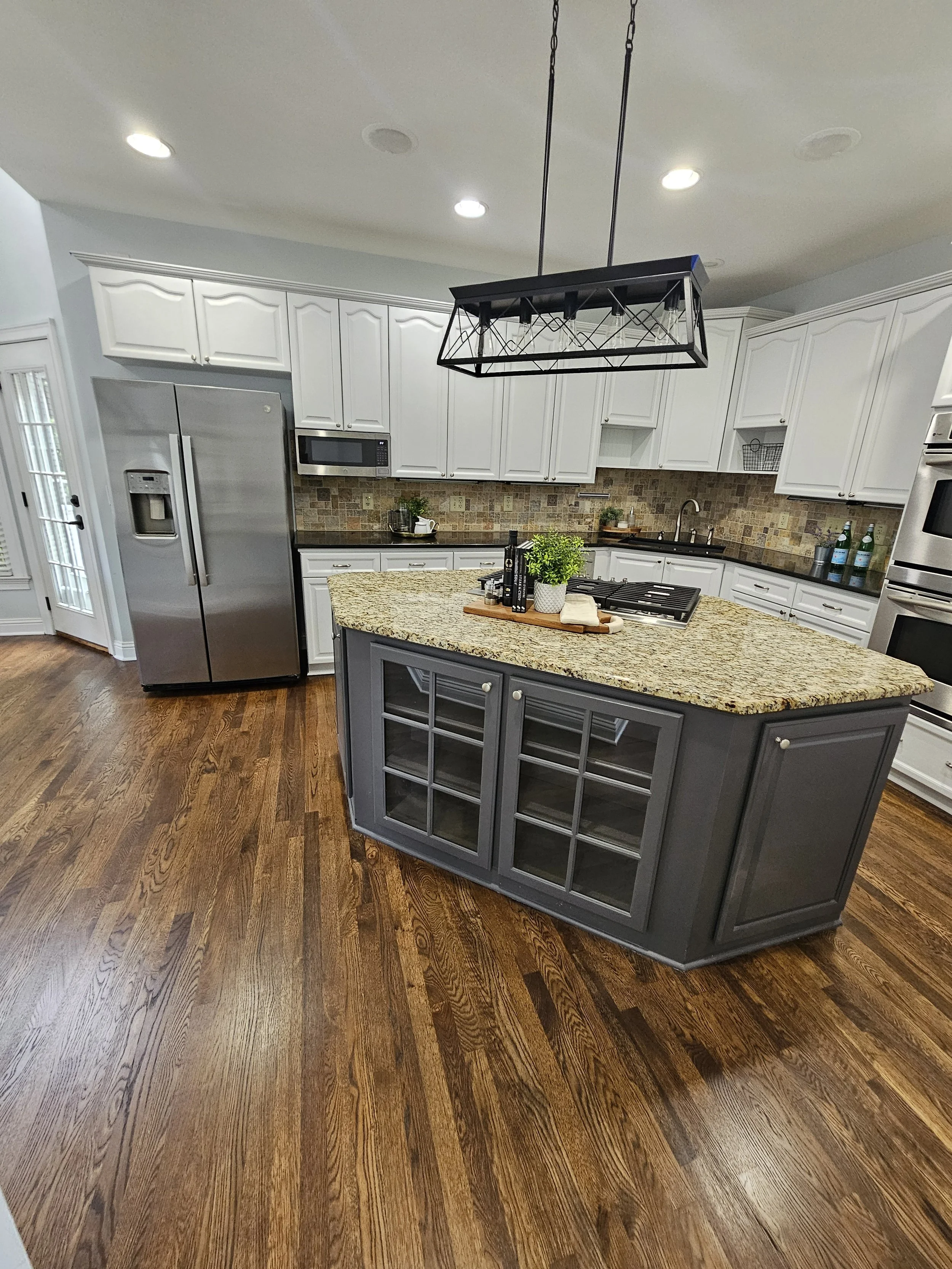
The Bottom Line
Are Professionally Painted Cabinets a Durable Choice?
Yes—when the existing cabinets are suitable for refinishing and the project is approached as a complete coating system rather than a quick cosmetic repaint. Proper preparation, compatible materials, careful application, curing, and maintenance all influence the result.
Homeowners should be cautious of durability promises based only on a brand of paint or an exact number of years. Cabinet surfaces live in demanding conditions, and no finish is immune to damage.
A better measure of quality is the process being used to create the finish and whether the contractor is addressing the cabinet's actual condition before painting begins.
Common Questions
Painted Kitchen Cabinet Durability FAQs
How long do professionally painted kitchen cabinets last?
Professionally refinished cabinets can provide many years of attractive service, but there is no universal lifespan. Longevity depends on cabinet condition, preparation, primer and finish selection, application, curing, household use, moisture, cleaning, and maintenance.
Do professionally painted cabinets chip?
Any painted surface can be damaged by sufficient impact, abrasion, moisture, or misuse. Proper preparation and a suitable coating system help create a durable finish, but professional cabinet painting does not make the surface impossible to scratch or chip.
Why does paint peel off some kitchen cabinets?
Peeling can have several causes, including contamination, poor adhesion, an unstable existing coating, inadequate preparation, incompatible materials, moisture, or other substrate problems. The cause should be evaluated rather than assuming the finish coat alone is responsible.
How soon can I use cabinets after they are painted?
Dry, recoat, handling, and cure times vary by coating and environmental conditions. Follow the product manufacturer's instructions and the contractor's project-specific guidance. Newly finished cabinets should generally be treated gently while the coating continues curing.
What is the best way to clean painted kitchen cabinets?
Use cleaning methods appropriate for the specific finish and avoid unnecessary abrasives or aggressive chemicals. Promptly wiping spills, grease, and residue can reduce the need for heavy scrubbing later.
Is professional cabinet painting more durable than DIY painting?
Durability depends on the work performed rather than the label “DIY” or “professional.” Experienced cabinet refinishers typically have systems for cleaning, preparation, repairs, priming, application, environmental control, and handling that can be difficult to reproduce without the appropriate equipment and experience.
Cabinet Painting & Refinishing in North Georgia
Give Your Cabinets a Finish Designed to Last
Hopewell Painting provides professional cabinet painting and refinishing with detailed preparation, careful protection, professional application, and durable finish systems selected for the demands of a working kitchen.
Serving Cumming, Alpharetta, Milton, Roswell, Johns Creek, Sandy Springs, and surrounding North Georgia communities.
