
Cabinet Painting vs. Replacing: What’s the Best Choice for Your Kitchen?
If your kitchen cabinets feel dark, dated, or worn, replacing them is not always the only way to transform the room. When the cabinet boxes are solid and the layout still works, professional cabinet painting can create a dramatic new look without the cost and disruption of a full cabinet replacement.
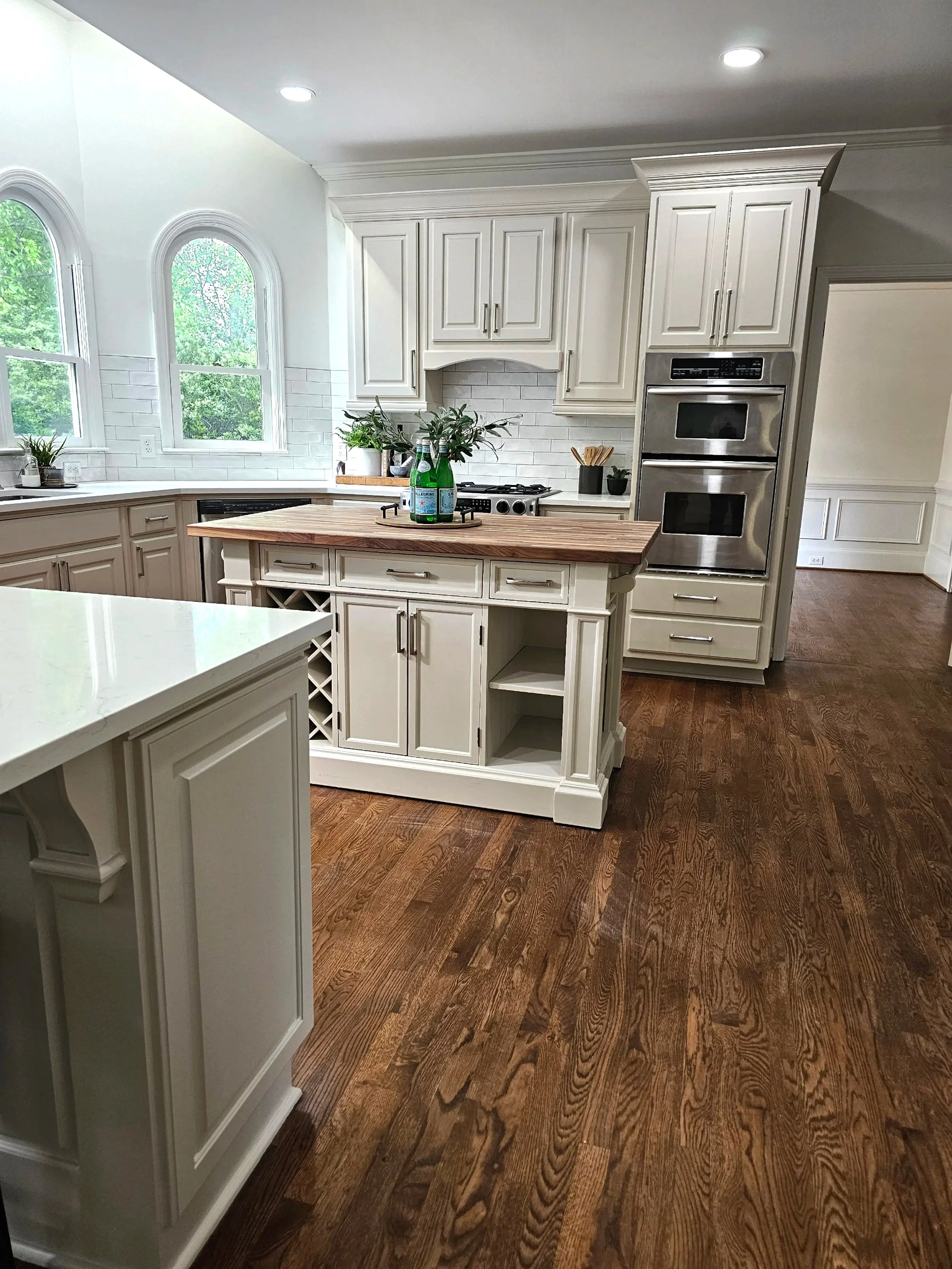
A Smarter Kitchen Transformation
Should You Paint Your Cabinets or Replace Them?
One of the biggest decisions homeowners face during a kitchen update is whether to keep their existing cabinets or start over with new ones.
Replacement can make sense when cabinets are damaged, poorly built, or the kitchen layout needs to change. But when the existing cabinet boxes are in good condition, professional cabinet painting can completely change the appearance of the kitchen while preserving what already works.
The right choice depends on cabinet condition, your design goals, budget, timeline, and the quality of finish you expect. Understanding those factors before work begins can help you invest in the option that makes the most sense for your home.
More Than a Color Change
Professional Cabinet Painting Is a Finishing System
Kitchen cabinets are touched, cleaned, opened, closed, and exposed to grease, moisture, heat, and everyday wear. Because of that, painting cabinets is very different from simply painting a wall.
A durable cabinet finish begins with detailed cleaning and degreasing, sanding or deglossing, repairs where needed, proper priming, careful masking, and a cabinet-grade finish applied in controlled coats. Doors and drawer fronts should also be labeled and handled systematically so everything is returned to its correct location.
The quality of the preparation beneath the finish is what separates a professional cabinet refinishing project from a quick cosmetic repaint.
Start With the Cabinets You Have
Is Your Kitchen a Good Candidate for Cabinet Painting?
The most important question is not whether you like the current cabinet color. It is whether the cabinets themselves are worth keeping.
Solid cabinet boxes, functioning doors and drawers, and a layout that still works are strong signs that painting may be an excellent option. Cosmetic issues such as an outdated stain, faded finish, or an unpopular wood tone can often be transformed without removing the entire cabinet system.
Cabinets with major water damage, failing particleboard, severe structural problems, or a layout that no longer meets the homeowner’s needs may be better candidates for replacement.
Explore our cabinet refinishing servicesCabinet Condition
Strong boxes and sound doors are often excellent candidates for refinishing.
Kitchen Layout
If the existing layout functions well, replacement may be unnecessary.
Desired Finish
Paint can dramatically modernize stained, dark, or dated cabinetry.
Project Goals
Structural changes and major layout redesigns may require new cabinetry.
Transform the Look Without Rebuilding the Kitchen
Professional cabinet painting keeps the existing cabinet boxes, doors, drawer fronts, and visible components while changing the finish and color. For a kitchen with a good layout and structurally sound cabinetry, this can create one of the most noticeable visual transformations in the room.
The process allows homeowners to move from dark stain to a clean white, warm neutral, deep color, or other updated finish while keeping the existing footprint of the kitchen.
Cabinet painting is most successful when the existing cabinetry is worth preserving and the preparation and coating system are designed for the demands of a working kitchen.
A Middle Ground With New Visible Components
Cabinet refacing generally keeps the existing cabinet boxes but replaces or covers many of the visible surfaces. New doors and drawer fronts may be installed while exposed frames and panels receive matching material or finish.
This option can be useful when homeowners want a different door style but do not need a completely new cabinet layout. It usually involves more material and modification than painting alone.
Refacing changes more than color, but it still relies on the existing cabinet boxes. Their condition should be evaluated before investing in new fronts and surface materials.
The Right Choice When the Kitchen Needs More Than a New Finish
Full replacement removes the existing cabinets and installs a new cabinet system. It offers the greatest flexibility when changing the kitchen layout, cabinet dimensions, storage configuration, door style, or overall design.
Replacement is also worth considering when the current cabinet boxes are badly damaged, deteriorated, or simply not built well enough to justify a refinishing investment.
New cabinets provide the most freedom, but they can also introduce additional demolition, installation, countertop, backsplash, plumbing, electrical, and scheduling considerations depending on the project.
Keep What Works. Replace What Does Not.
A kitchen does not need to be demolished simply because the cabinet color is outdated. At the same time, paint should not be used to disguise cabinets that are structurally failing or no longer function for the homeowner.
The best approach is to separate cosmetic problems from structural ones. If the problem is primarily color and finish, painting may provide exactly the transformation you want. If the problem is layout, construction, or serious damage, replacement may be the better long-term investment.
A professional evaluation can help determine whether your existing cabinets are strong candidates for refinishing before you commit to a much larger renovation.
Professional Insight
The Finish Is Only as Good as the Preparation Beneath It.
Kitchen residue, oils, waxes, and contaminants must be removed before the coating system is applied.
Existing finishes are prepared to create the proper surface for primer and help produce a smoother final appearance.
Small imperfections, hardware changes, and repairable damage are addressed before the finish coats begin.
The primer is selected according to the existing finish, cabinet material, color change, and project requirements.
Cabinet-grade coatings are applied in even coats to create a refined, consistent finish on doors, drawers, frames, and panels.
Fresh coatings need appropriate drying and curing time before normal use, cleaning, and repeated contact.
Kitchen Cabinet Comparison
Which Cabinet Update Is Right for Your Kitchen?
Each option solves a different problem. The best choice depends on whether your priority is changing the finish, changing the door style, correcting structural issues, or redesigning the entire kitchen.
Keep Existing Cabinets
Paint
Professionally prepare and refinish existing cabinets with a durable new color and coating system.
Keep Cabinet Boxes
Reface
Retain the cabinet boxes while changing doors, drawer fronts, and visible surface materials.
Start With New Cabinetry
Replace
Remove the existing cabinetry and install a completely new cabinet system with new dimensions, storage, and design options.
Minimal Intervention
Keep As Is
Keep the existing finish and focus on smaller updates such as hardware, lighting, backsplash, or wall color.
Professional insight: If the cabinet boxes are structurally sound and the existing layout works well, professional cabinet painting can provide a substantial visual change without replacing a functional cabinet system.
Preparation Makes the Difference
Why Cabinet Painting Should Not Be Treated Like Wall Painting
Cabinet surfaces require much more detailed preparation than typical walls. Years of cooking residue, cleaning products, hand oils, and an existing clear or painted finish can interfere with adhesion if the surface is not prepared correctly.
At Hopewell Painting, cabinet projects are approached as a complete refinishing system. Depending on the cabinet material and existing finish, that system may include cleaning and degreasing, sanding, filling, repairs, masking, a suitable primer, professional spraying, and durable finish coats. On appropriate projects, products such as BIN shellac-based primer and Sherwin-Williams Emerald Urethane Trim Enamel may be used as part of the coating system.
- Doors and drawers removed and labeled
- Cabinet surfaces thoroughly cleaned and prepared
- Surrounding kitchen areas carefully masked and protected
- Primer selected for the existing surface and finish
- Durable cabinet-grade finish applied in controlled coats
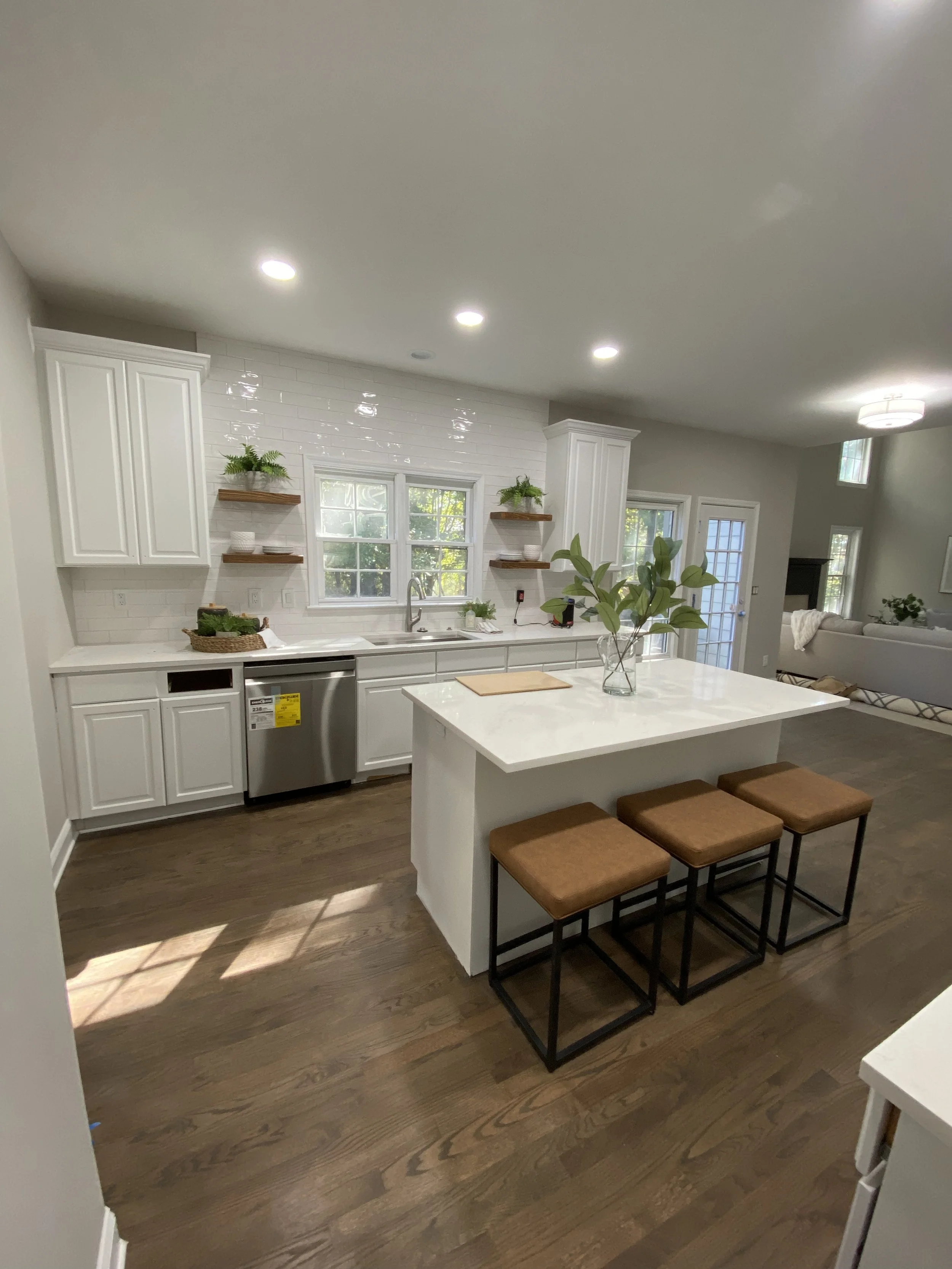
The Bottom Line
Is Cabinet Painting Worth It?
When the cabinet boxes are solid, the layout works, and the main problem is an outdated or worn finish, professional cabinet painting can be an excellent way to modernize a kitchen without replacing functional cabinetry.
Replacement becomes more appropriate when the cabinets have significant structural damage, the storage no longer works, or the renovation requires a different layout. Refacing may fit projects where the boxes are worth keeping but a new door style is a priority.
Whichever option you choose, the decision should be based on what the kitchen actually needs—not simply on the assumption that dated cabinets must be torn out.
Common Questions
Cabinet Painting and Refinishing FAQs
Is it cheaper to paint cabinets or replace them?
Painting generally preserves the existing cabinet boxes, doors, and drawer fronts, so it avoids much of the material, demolition, and installation involved in full replacement. The actual difference depends on cabinet condition, kitchen size, repairs, finish requirements, and the replacement cabinetry being considered.
How long do professionally painted cabinets last?
Cabinet finish longevity depends on surface preparation, coating quality, curing, daily use, cleaning methods, moisture, heat, and how the cabinets are maintained. A professionally prepared and refinished cabinet system can provide many years of attractive, dependable service.
What type of paint should be used on kitchen cabinets?
Cabinets should be finished with a coating selected for trim, cabinetry, or other high-contact surfaces rather than ordinary wall paint. The right product depends on the cabinet material, existing finish, desired sheen, color, application method, and project conditions.
Do cabinets need to be sanded before painting?
Proper surface preparation is essential. Depending on the existing finish, the process may include cleaning, degreasing, sanding or deglossing, repairs, and priming. The goal is to create a clean, sound surface that allows the coating system to bond and perform correctly.
Can stained wood cabinets be painted?
Many stained wood cabinets can be professionally painted when they are in suitable condition. The existing clear finish and wood surface must be evaluated so the correct cleaning, sanding, priming, and finishing process can be selected.
How long does cabinet painting take?
The timeline varies with the number of doors and drawers, cabinet condition, repairs, preparation, coating system, drying conditions, and curing needs. A professional estimate should account for the complete process rather than only the time required to apply the finish coats.
Cabinet Painting & Refinishing in North Georgia
Give Your Kitchen a New Look Without Starting Over
Hopewell Painting provides professional cabinet painting and refinishing with detailed surface preparation, careful protection, professional application, and durable finishes designed for the demands of a working kitchen. We can evaluate your existing cabinetry and help determine whether refinishing is the right approach for your home.
Serving Cumming, Alpharetta, Milton, Roswell, Johns Creek, Sandy Springs, and surrounding North Georgia communities.
