
Can Popcorn Ceilings Contain Asbestos? What North Georgia Homeowners Should Know
A damaged popcorn ceiling may look like a straightforward drywall repair, but in an older home, disturbing the texture can create a safety concern. Some older textured ceiling materials contained asbestos, and the only way to know whether a particular ceiling contains it is through proper testing.
A Safety-First Guide for Homeowners
Can Popcorn Ceilings Contain Asbestos?
Yes. Some popcorn ceilings and other textured ceiling finishes installed in older homes may contain asbestos. However, not every popcorn ceiling contains asbestos, and its appearance alone cannot confirm whether it does.
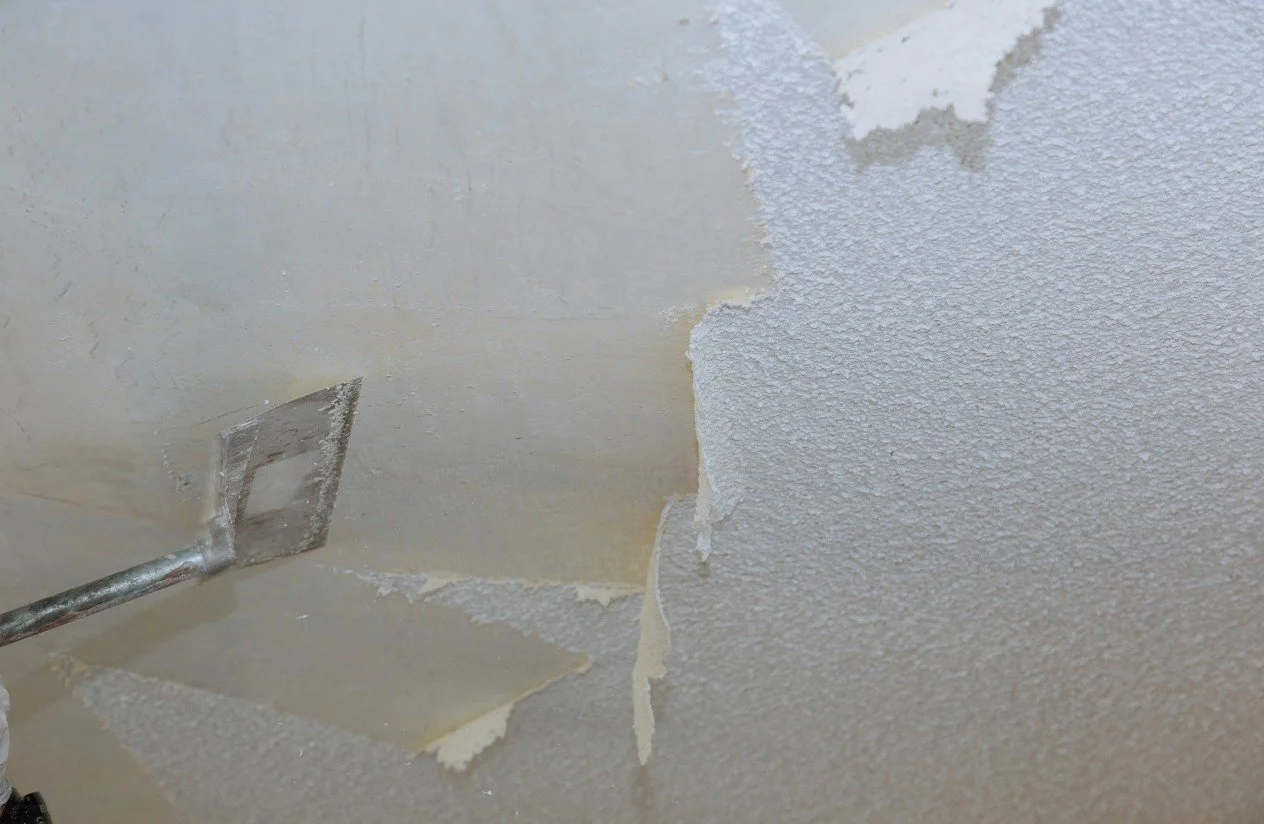
The concern becomes especially important when a project involves scraping, sanding, drilling, cutting, patching, or removing the texture. Those actions may release fibers if asbestos is present.
For North Georgia homeowners, the safest next step is simple: pause the repair and have the affected material evaluated by a qualified asbestos professional before anyone disturbs it.
The Quick Answer
The Age of the Home Is a Clue, Not a Diagnosis
A home's construction date can help identify whether additional caution is appropriate, but it cannot tell you what is inside a specific ceiling. Textured coatings, patching compounds, and other building materials used in older homes sometimes contained asbestos.
Even if a house was built after certain asbestos-containing products were restricted, older inventory may have remained in use, and a ceiling could also have been added or repaired at a different time than the rest of the home. That is why a date such as 1986 should prompt questions—not assumptions.
No painter, homeowner, or inspector can reliably confirm asbestos simply by looking at a popcorn texture. Laboratory analysis of a properly collected sample is needed to determine whether asbestos is present.
Know When to Stop
Which Projects Can Disturb a Popcorn Ceiling?
A ceiling does not have to be completely removed for the material to be disturbed. Even a small repair may require cutting away damaged drywall, scraping loose texture, sanding an edge, drilling a hole, or blending new texture into the existing surface.
If the ceiling material has not been tested, work that creates dust or breaks the texture should wait. Painting over an intact ceiling and repairing a damaged section are different situations because repair work often affects the existing material directly.
Explore our drywall repair servicesScraping
Removing loose or dated texture can break the surface and create dust.
Sanding
Smoothing texture or repair edges can make fine particles airborne.
Cutting or Drilling
Drywall repairs and fixture work may penetrate the textured material.
Demolition
Removing ceiling material can disturb a much larger surface area.
Leave the Suspect Material Undisturbed
If a textured ceiling may contain asbestos, avoid touching, scraping, sanding, drilling, sweeping, or vacuuming the material. Do not take a sample yourself unless a qualified authority has specifically advised you how to do so under applicable requirements.
Asbestos-containing material generally presents its greatest concern when it is damaged or disturbed and fibers can become airborne. Material that is intact and left alone may be managed differently from material involved in an active repair or renovation.
If material has already fallen, avoid dry sweeping or using a standard household vacuum. Keep the area undisturbed and contact a qualified asbestos professional for guidance.
Hire a Qualified Asbestos Professional to Evaluate and Test
The U.S. Environmental Protection Agency recommends using trained and accredited asbestos professionals when asbestos-containing material is suspected. A professional can determine which materials may need sampling, collect the sample without unnecessarily spreading dust, and arrange for laboratory analysis.
Testing should be completed before a painting or drywall crew disturbs the affected ceiling. The homeowner should retain the written laboratory result and share it with the contractors who will perform the next phase of work.
Testing is a specialized environmental service. A painting estimate does not normally include asbestos sampling unless that service is specifically listed and performed by a properly qualified provider.
Use the Test Result to Plan the Correct Next Step
If the laboratory result does not detect asbestos in the sampled ceiling material, the drywall and painting contractor can review the repair scope and proceed using normal dust-control and surface-preparation practices.
If asbestos is detected, do not ask a general painting crew to remove or disturb it. A qualified asbestos professional should explain the appropriate options, which may include leaving sound material in place, professionally managing it, or arranging regulated abatement before other renovation work.
The correct approach depends on the material's condition, the planned work, and applicable federal, state, and local requirements.
Complete the Drywall Repair and Finish Work Safely
Once the ceiling has been cleared for the planned work—or any required asbestos work has been completed by the appropriate professionals—the painting and drywall phase can begin.
Depending on the damage and the homeowner's goals, the project may include replacing damaged drywall, finishing the patch, matching the surrounding texture, spot priming, addressing stains, and painting the ceiling for a consistent appearance.
A professional result depends on both safety before the repair and careful finishing after it. Neither part should be rushed.
A Clear Division of Responsibility
Who Should Handle Each Part of the Project?
A safe project depends on bringing in the right professional at the right time. The asbestos evaluation comes first; ordinary drywall and painting work comes only after the material has been appropriately addressed.
Shares the home's age and renovation history, pauses disturbance, hires the testing professional, and provides the written result.
Evaluates suspect material, performs or coordinates proper sampling, and explains what the laboratory result means for the project.
When required, handles asbestos-containing material using the appropriate controls, procedures, and disposal practices.
Completes the repair, preparation, priming, texture, and painting only after the area is ready for normal construction work.
Your Next Move
What Should You Do With a Popcorn Ceiling?
Start with the condition of the ceiling and whether the planned project will disturb it. Testing may be appropriate before repair, removal, or renovation.
Unknown Material
Test Before Disturbing
Choose this path when a repair or renovation may scrape, sand, cut, drill, or remove older textured ceiling material.
Intact Material
Seek Professional Guidance
Material in good condition that will remain undisturbed may require a different management approach than damaged material or planned removal.
Asbestos Detected
Use the Proper Specialist
Follow the recommendations of qualified asbestos professionals before any general repair, renovation, or painting work begins.
Area Cleared
Repair and Refinish
Once the ceiling is ready for normal work, address the drywall damage, texture, primer, and paint as one coordinated finish system.
What Hopewell Painting Will Do
Why We May Pause a Ceiling Repair
If we arrive for a popcorn-ceiling repair and learn that the material may require asbestos testing, we may need to postpone the work. We understand that a schedule change can be inconvenient, especially when the repair was expected to begin that day.
Pausing is not an attempt to complicate the project. It is a responsible step to protect the homeowner, our crew, and the home itself. Once the proper documentation confirms how the ceiling should be handled, we can plan the painting and drywall work with greater confidence.
Learn about our interior painting services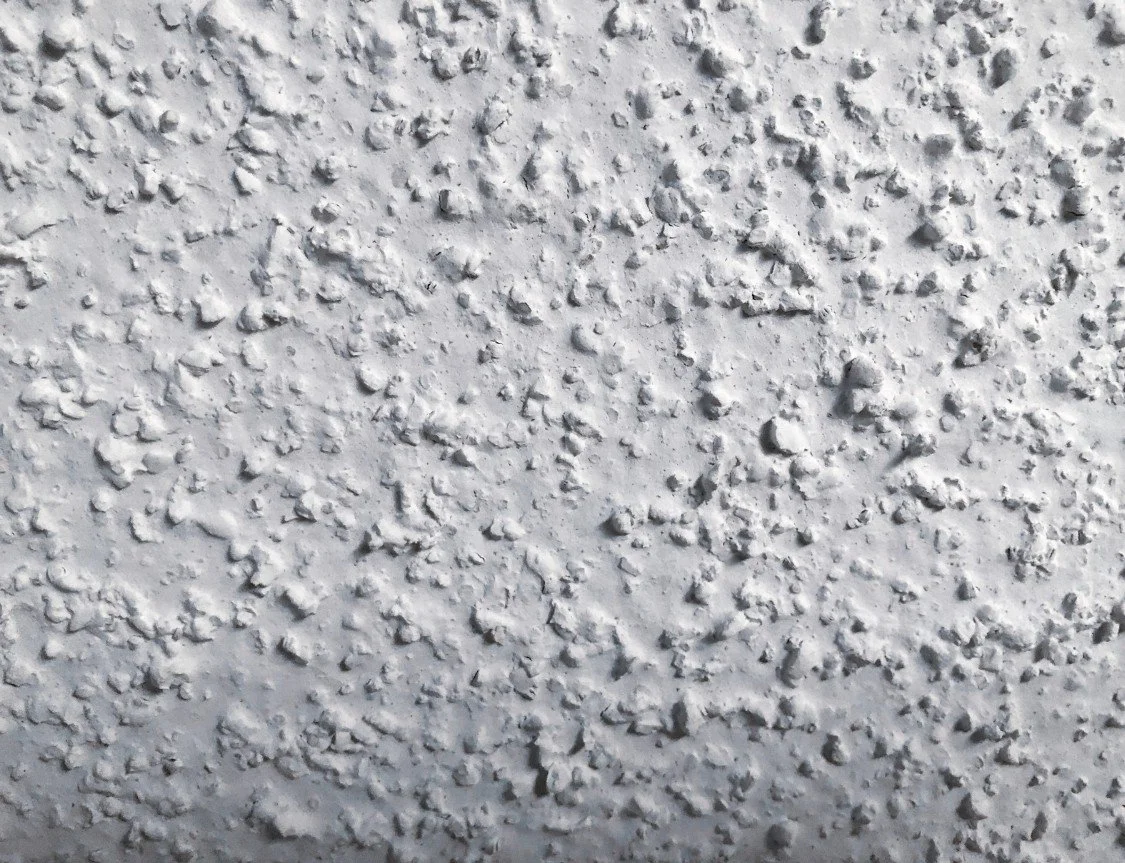
The Bottom Line
Do Not Let a Small Repair Become an Unnecessary Risk
Popcorn texture does not automatically mean asbestos, and the age of a home does not provide a definite answer. But when the material is older, unknown, damaged, or about to be disturbed, testing can provide the information needed to move forward responsibly.
The safest sequence is to stop disturbance, hire a qualified asbestos professional, obtain the written result, and then choose the appropriate path. After the ceiling has been cleared for ordinary work, a professional painting and drywall team can complete the repair and restore a clean, consistent finish.
Frequently Asked Questions
Popcorn Ceilings and Asbestos
Does every popcorn ceiling contain asbestos?
No. Some older textured ceiling products contained asbestos, while many others did not. You cannot reliably determine the answer by looking at the texture, so laboratory testing is necessary when confirmation is needed.
Can a popcorn ceiling in a home built in 1986 contain asbestos?
The construction date alone cannot confirm or rule out asbestos. Product restrictions, remaining inventory, later renovations, and unknown material histories make testing more reliable than assumptions based on age.
Can you tell whether a ceiling contains asbestos by looking at it?
No. Popcorn ceilings with and without asbestos can look similar. A sample collected appropriately and analyzed by a laboratory is needed to identify asbestos in a specific material.
Who should collect the ceiling sample?
The EPA recommends using a trained and accredited asbestos professional when asbestos-containing material is suspected. Professional sampling helps avoid unnecessary disturbance and cross-contamination.
Can Hopewell Painting perform the repair after testing?
If the written result and any necessary professional asbestos work confirm that the area is ready for normal construction, Hopewell Painting can evaluate the drywall repair, surface preparation, priming, texture, and painting scope. Asbestos testing and abatement are separate specialized services.
What if the popcorn ceiling is damaged right now?
Avoid touching, scraping, dry sweeping, or vacuuming the debris with a standard household vacuum. Limit access to the area and contact a qualified asbestos professional for project-specific guidance.
Safety information in this article is based on homeowner guidance from the U.S. Environmental Protection Agency and the U.S. Consumer Product Safety Commission. This article is general educational information and is not a substitute for an inspection, laboratory analysis, or project-specific advice from a qualified asbestos professional.
Ready When the Ceiling Is Cleared
Need Professional Ceiling Repair and Painting in North Georgia?
Once any required testing and specialized asbestos work are complete, Hopewell Painting can help restore your ceiling with careful drywall repair, preparation, priming, and painting. We serve homeowners throughout Cumming, Alpharetta, Milton, Roswell, Johns Creek, and surrounding North Georgia communities.
Because every detail matters.
