
How Much Does It Cost to Paint a House Interior in Cumming, GA?
The cost to paint a home interior in Cumming, Georgia can vary significantly from one project to another. Square footage matters, but ceiling height, wall condition, color changes, the number of coats, trim, doors, repairs, furniture, and the amount of preparation can have just as much influence on the final price.
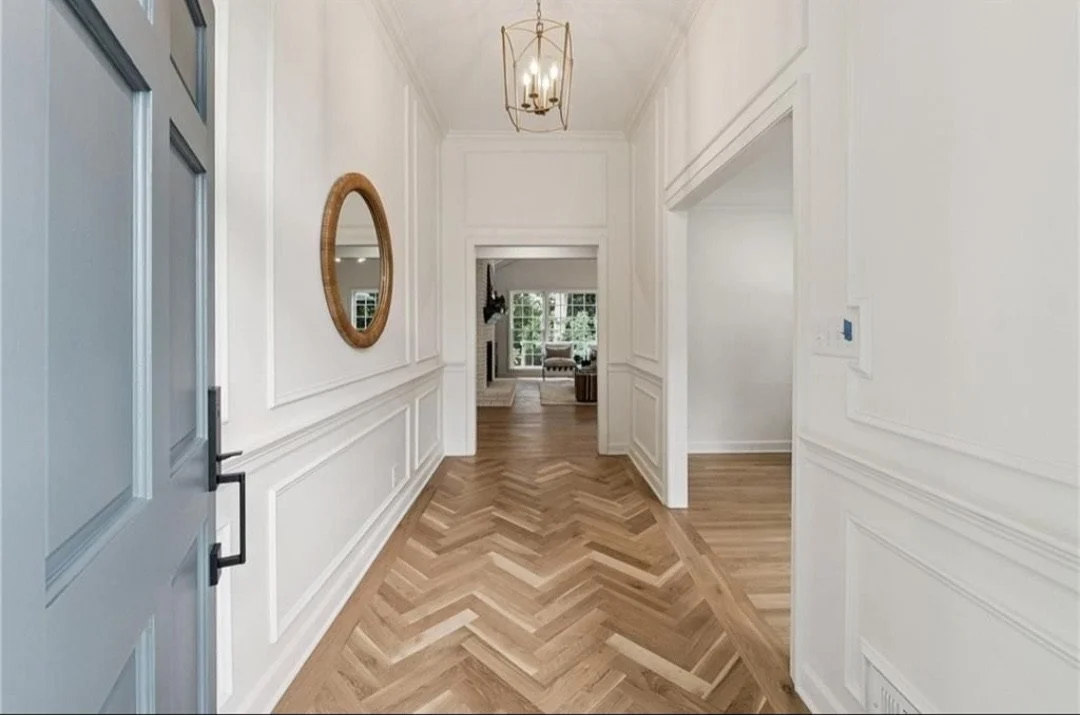
Understanding Interior Painting Prices
How Much Does It Cost to Paint a House Interior in Cumming, GA?
There is no reliable one-price-per-square-foot answer for every interior. Two homes with similar floor plans can require very different amounts of labor depending on the surfaces being painted and the preparation needed before the first finish coat is applied.
A straightforward repaint of walls in an empty home is very different from an occupied home with 20-foot ceilings, drywall repairs, dark-to-light color changes, detailed trim, stairways, doors, and extensive surface preparation.
The best way to understand your price is to look at exactly what is included in the scope of work—not simply the total square footage of the house.
The Quick Answer
Interior Painting Cost Depends on the Surfaces, Condition, and Scope
When homeowners ask for an interior painting price, the first question should be: what are we painting? Walls only will cost less than walls, ceilings, baseboards, crown molding, window trim, door casings, and doors throughout the same home.
Preparation is another major variable. Nail holes and minor imperfections are normal preparation. Larger drywall repairs, water stains, peeling coatings, damaged trim, heavy sanding, or specialty primers require additional materials and labor.
For that reason, a professional estimate should define the surfaces, preparation, coating system, number of coats, exclusions, and project conditions before a final price is established.
Start With the Scope
What Are You Actually Having Painted?
A whole-house interior estimate can include many different surfaces. Homeowners comparing proposals should make sure each contractor is pricing the same work. A lower proposal may simply exclude ceilings, doors, closets, trim, repairs, or additional coats.
Clearly defining the scope makes the price easier to understand and helps prevent surprises once the project begins.
Explore our interior painting servicesWalls
Usually the largest painted surface and the starting point for most interior projects.
Ceilings
Standard ceilings and tall or vaulted ceilings can require very different labor and access.
Trim
Baseboards, crown molding, casings, windows, and decorative millwork add detailed preparation and finish work.
Doors
Doors and jambs may require cleaning, sanding, priming, and a durable enamel finish.
Preparation and Existing Surface Condition
Professional interior painting begins before the finish paint is opened. Floors and furnishings need protection, wall plates may need removal, surfaces need inspection, and imperfections must be addressed according to the agreed scope.
A home with clean, sound walls will move much faster than one with settlement cracks, failed patches, peeling areas, stains, damaged drywall, heavy texture repairs, or deteriorated trim.
The more correction a surface needs before painting, the more labor the project requires.
Ceiling Height and Access
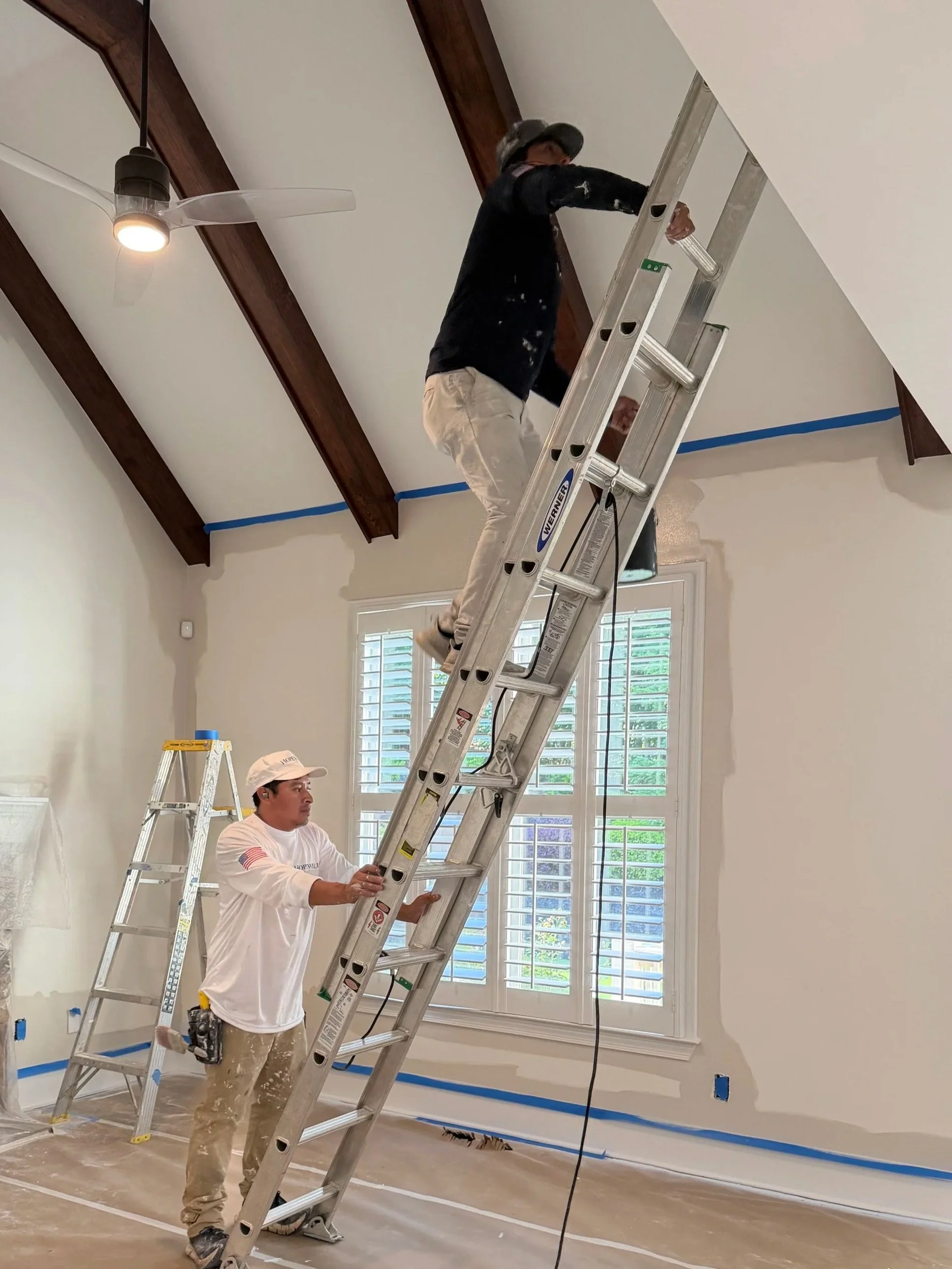
Standard bedrooms are generally more straightforward than two-story foyers, tall stairways, vaulted living rooms, and other high-access areas. Taller spaces require additional setup, ladder work, protection, and careful production.
Complex architecture can also slow cutting-in and make repairs more difficult. This is why two rooms with similar floor area can have very different painting costs.
Floor square footage alone does not show how difficult the painted surfaces are to reach.
Number of Coats and Color Changes
Some repaints achieve the intended finish with a standard coating system, while dramatic color changes or difficult existing colors may require additional coats or primer. Deep colors, bright colors, and transitions to very light colors can affect coverage.
The product, existing color, new color, sheen, surface porosity, and application method all influence how many coats are appropriate.
A proposal should state the expected coating system rather than assuming every color change covers identically.
Trim, Doors, and Detailed Finish Work
Trim and doors can add substantial labor because the work is detailed. Existing glossy or oil-based coatings may require cleaning, sanding, bonding primer, or another preparation system before a new water-based enamel is applied.
Door count also matters. A whole house with dozens of doors is a very different scope from repainting walls in the same house while leaving the woodwork untouched.
Detailed surfaces usually require more labor per square foot than broad wall areas.
Occupied Versus Empty Homes
An empty home often allows a painting crew to move efficiently from room to room. In an occupied home, furniture, electronics, window treatments, personal belongings, and daily access can require additional protection and sequencing.
This does not mean an occupied home cannot be painted efficiently. It simply means logistics should be considered when planning the schedule and price.
The easier it is to safely access the painted surfaces, the more efficiently the project can typically progress.
Paint Quality and Finish Selection
Paint is not the largest expense on every interior project, but the product selected still affects the final price. Premium coatings can provide improved washability, appearance, durability, application, and performance in frequently used spaces.
Different surfaces may also require different products. Walls, ceilings, trim, doors, cabinets, and specialty areas should not automatically receive the same coating.
Product selection should be based on the surface and performance expected—not simply the lowest material price.
What's Included?
What Should a Professional Interior Painting Estimate Cover?
Floor coverings, furniture protection, masking, and care around finished surfaces.
Cleaning where needed, minor patching, sanding, caulking, and surface preparation according to the scope.
Appropriate primers for repairs, stains, bare surfaces, adhesion needs, or specialty conditions.
The defined coating system for walls, ceilings, trim, doors, and other included surfaces.
Removal of painting materials, jobsite organization, and reasonable daily cleanup during the project.
A final review of the completed scope and reasonable touchups before project completion.
Comparing Project Types
Why Similar-Sized Homes Can Have Different Prices
The amount of finished floor space is only one part of an interior painting estimate. The actual surfaces and conditions can change the workload substantially.
Project Type
Empty Home
Open access can make preparation, movement, and room-to-room production more efficient.
Project Type
Occupied Home
Furniture, belongings, and daily household use can require additional protection and coordination.
Project Type
Walls Only
A wall-only repaint generally has fewer detailed surfaces than a complete walls, ceilings, trim, and doors project.
Project Type
Full Interior
Painting walls, ceilings, trim, doors, and detailed surfaces creates a substantially larger scope.
Professional insight: When comparing estimates, compare the complete scope—not just the final number at the bottom of the proposal.
Before Requesting an Estimate
How Can You Get a More Accurate Interior Painting Price?
Decide which rooms and surfaces you want included before your consultation. If you are unsure, a professional painter can help separate the project into options—for example, walls only versus walls, ceilings, trim, and doors.
It also helps to identify repairs, special color changes, high areas, cabinets, accent walls, or other details during the initial walkthrough rather than after work has started.
- Identify the rooms being painted
- Decide whether ceilings are included
- Determine whether trim and doors are included
- Point out drywall damage and stains
- Discuss major color changes
- Ask what preparation is included
The Bottom Line
A Good Interior Painting Estimate Is Based on the Work Your Home Actually Needs
Square footage is useful, but it does not tell the entire story. Preparation, ceiling height, repairs, doors, trim, number of coats, access, and the surfaces included all influence the amount of labor required to complete an interior properly.
When comparing interior painting estimates in Cumming, look carefully at what each proposal includes. A detailed scope makes it easier to understand the price and gives both the homeowner and painting contractor clear expectations before the project begins.
Common Questions
Interior Painting Cost FAQs
How much does it cost to paint the interior of a house in Cumming, GA?
The cost varies according to the rooms and surfaces included, ceiling height, preparation, repairs, color changes, number of coats, doors, trim, and whether the home is occupied. An on-site estimate is the most reliable way to price a specific project.
Is interior painting priced by square foot?
Square footage can help with preliminary estimating, but professional pricing should also account for surface condition, height, access, preparation, coatings, trim, doors, and the exact scope of work.
Does painting ceilings cost extra?
Usually, yes. Ceilings are separate painted surfaces and require additional protection, preparation, materials, and labor. High, vaulted, or two-story ceilings may require additional access and setup.
Does painting trim and doors increase the price significantly?
It can. Trim and doors involve detailed preparation and finish work. Homes with extensive crown molding, detailed casings, numerous doors, or older glossy coatings can require considerably more labor.
Is it cheaper to paint an empty house?
An empty home can often be completed more efficiently because the crew has easier access and less furniture to protect or work around. The actual difference depends on the rest of the project conditions.
Should I choose the lowest interior painting estimate?
Compare what each proposal includes before comparing price alone. Look at preparation, repairs, products, number of coats, included surfaces, exclusions, protection, cleanup, and warranty so you are comparing similar scopes of work.
Interior Painting in Cumming & North Georgia
Planning an Interior Painting Project?
Hopewell Painting provides detailed interior painting estimates for homeowners in Cumming, Alpharetta, Milton, Roswell, Johns Creek, and surrounding North Georgia communities. We can evaluate your surfaces, preparation needs, repairs, colors, and scope before providing a professional proposal.
Because every detail matters.
