
Should You Paint or Replace Rotted Exterior Wood?
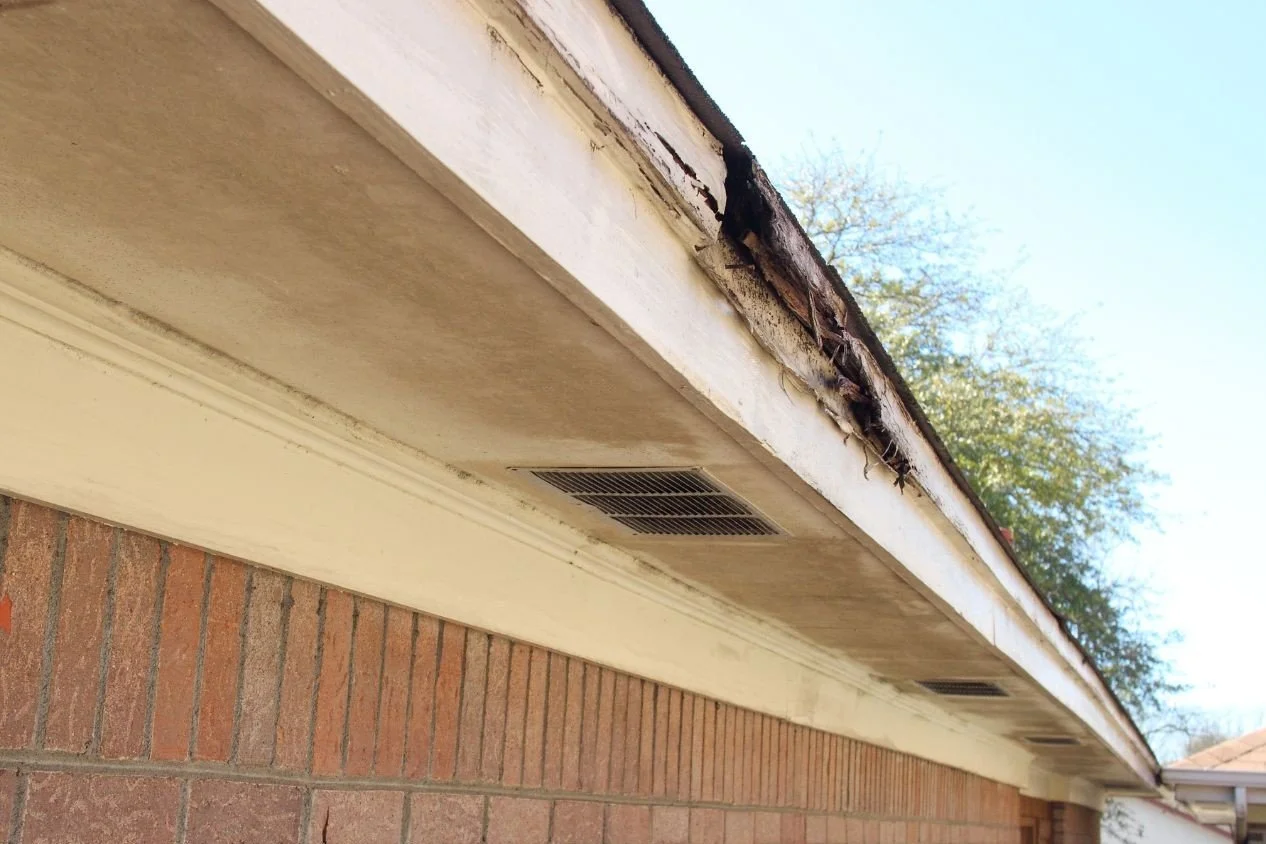
Finding rotted wood before an exterior painting project is common, especially around windows, fascia, soffits, door frames, and other areas exposed to repeated moisture. The important question is whether the damaged area can be repaired—or whether the wood has deteriorated enough that replacement is the better solution.
Repair Before You Repaint
Should You Paint or Replace Rotted Exterior Wood?
Exterior paint is designed to protect a sound surface. It cannot restore strength to wood that has already deteriorated. Painting directly over rotten wood may temporarily improve its appearance, but the underlying damage remains.
That does not mean every imperfect piece of exterior wood automatically needs replacement. Small localized areas may sometimes be repaired when the surrounding material is still solid and the source of the moisture has been corrected.
The key is determining how extensive the damage is before primer or finish paint is applied.
The Quick Answer
Minor Damage May Be Repairable. Significant Rot Should Usually Be Replaced.
If the damaged area is small and the surrounding wood remains hard, dry, and structurally sound, an exterior-rated repair may sometimes provide a suitable surface for painting.
Wood that is soft, crumbling, deeply deteriorated, badly split, or no longer capable of holding fasteners generally needs a more substantial repair or replacement.
Just as importantly, the reason the wood deteriorated should be identified. Replacing a board without correcting the moisture problem can allow the same damage to return.
Know the Warning Signs
How Can You Tell if Exterior Wood Is Rotten?
Exterior wood rot is not always obvious from the ground. Paint may still be covering the surface while moisture has already begun deteriorating the wood underneath.
During an exterior inspection, suspicious areas should be checked for softness, swelling, cracking, separation, open joints, discoloration, and repeated paint failure.
Explore our wood rot repair servicesSoft Wood
Wood that compresses, flakes, or breaks apart easily may have significant decay.
Swelling
Repeated moisture exposure can cause exterior trim to swell, distort, or separate.
Peeling Paint
Recurring peeling in one location may indicate moisture or deteriorated material underneath.
Open Joints
Failed joints around trim can allow additional water into vulnerable exterior wood.
Determine How Deep the Damage Goes
The visible surface does not always show the full extent of deterioration. A small area of peeling paint may reveal perfectly solid wood underneath, while another board may appear acceptable until it is closely inspected.
The surrounding material should be evaluated to determine whether enough sound wood remains for a durable repair.
The condition of the substrate—not simply its appearance—should determine whether repair or replacement is appropriate.
Find Out Why the Wood Rotted
Exterior wood generally deteriorates because it remains wet for extended periods. The moisture may come from failed caulking, roof runoff, gutters, open joints, flashing problems, sprinklers, or construction details that repeatedly expose the material to water.
Simply replacing the visible damaged board does not necessarily solve the problem. If the moisture source remains, the replacement material can eventually experience the same issue.
Correcting the source of the moisture is an important part of creating a lasting repair.
Know When Wood Can Be Repaired
Limited deterioration does not always require replacing an entire board. Depending on the location and condition, a small damaged area may sometimes be removed and rebuilt with an appropriate exterior repair system.
For a repair to make sense, the surrounding wood should remain stable and capable of supporting the repair. The area must also be properly prepared, shaped, sanded, and primed before painting.
A repair should restore a sound painting surface—not simply cover up deterioration.
Know When Replacement Is the Better Solution
Replacement is generally the better approach when deterioration extends deeply into the material, large portions are soft or crumbling, joints have lost their integrity, or the wood can no longer provide a stable foundation for repair and paint.
Replacement may also make more sense when the same area has already been repaired multiple times and continues to fail.
New paint is only as reliable as the material underneath it.
Consider PVC for Moisture-Prone Exterior Trim
In some exterior trim applications, cellular PVC can be an alternative to replacing deteriorated wood with another wood board. Unlike natural wood, PVC does not rot from moisture exposure.
This can make it useful in selected areas that have historically experienced repeated moisture problems, provided the material is appropriate for the application and installed correctly.
The best replacement material depends on the location, existing construction, appearance, and installation requirements.
Prepare the Repair Before Painting
Repairing or replacing the damaged wood is only part of the process. Replacement pieces, repaired areas, joints, fasteners, and surrounding coatings still need proper preparation before finish paint is applied.
Preparation may include sanding, filling appropriate fastener holes, preparing adjacent coatings, sealing appropriate joints, and priming bare or repaired material with a compatible primer.
Even a good carpentry repair can experience coating problems if the new surface is not properly prepared before painting.
The Right Order Matters
What Should Happen Before Exterior Paint Is Applied?
Identify deteriorated wood, failed coatings, open joints, and signs of repeated moisture exposure.
Determine where the moisture is coming from before repairing the visible damage.
Choose the appropriate solution based on the depth and extent of deterioration.
Sand, clean, fill, and prepare repaired and surrounding surfaces for the coating system.
Apply the appropriate primer to bare wood, repairs, and replacement materials where required.
Apply the exterior finish only after the substrate is sound, clean, dry, and properly prepared.
Common Problem Areas
Where Should Homeowners Look for Exterior Wood Rot?
Rot can develop anywhere exterior wood remains wet, but several areas deserve especially close attention when a home is being prepared for repainting.
Roofline
Fascia
Fascia can deteriorate where gutters overflow, roof edges repeatedly expose the board to water, or joints allow moisture into the material.
Openings
Windows
Window trim and lower sill areas can be vulnerable when perimeter joints, caulking, flashing, or drainage details allow repeated moisture exposure.
Entry Areas
Door Frames
Lower portions of exterior door frames can receive rain, splashback, and moisture near thresholds, making these areas especially important to inspect.
Roof Overhang
Soffits
Deteriorated soffit material can sometimes indicate water entering from above rather than simply weather reaching the painted face.
Professional insight: If the same exterior board has been repaired or repainted repeatedly, investigate the moisture source before performing another cosmetic repair.
Before Exterior Painting
Why Wood Repairs Should Be Completed Before the Finish Coat
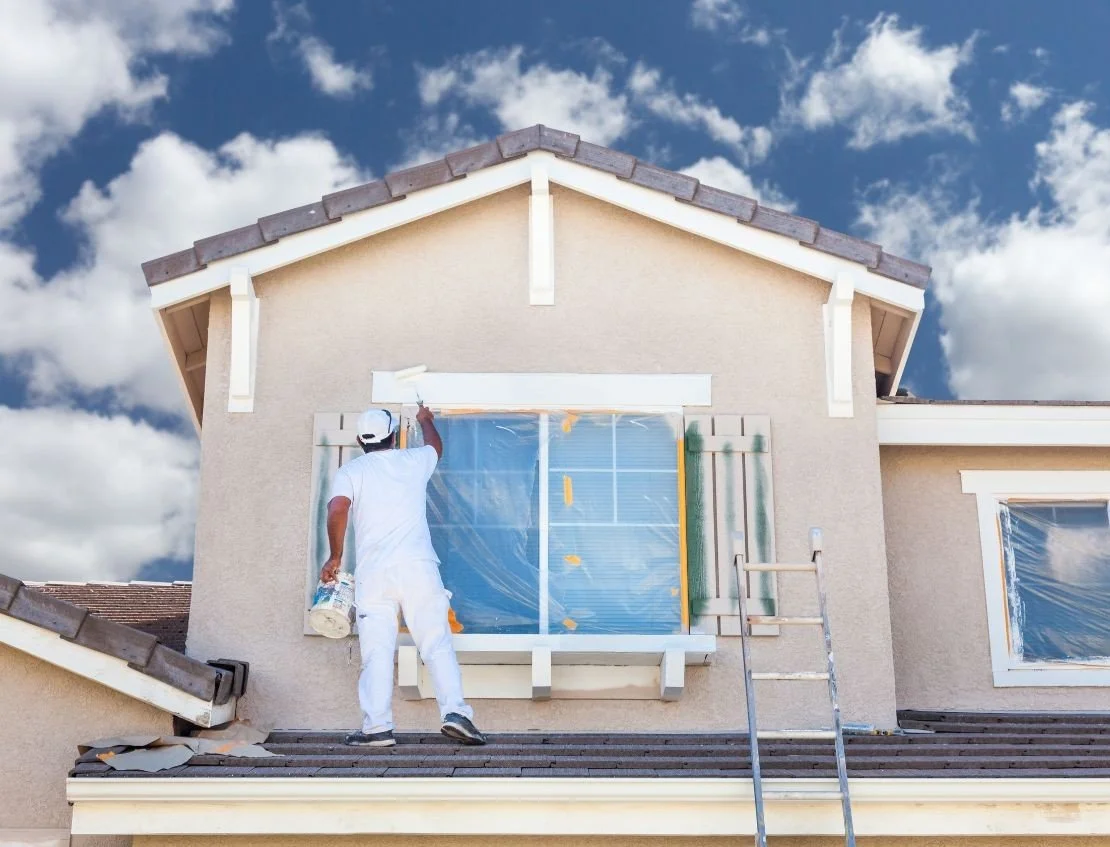
Exterior painting is an ideal time to identify damaged trim because preparation often exposes problems that were hidden beneath peeling paint, failed caulk, or previous repairs.
Addressing those areas first creates a more stable substrate and allows repaired or replacement materials to become part of the complete preparation and coating system.
- Inspect vulnerable exterior wood before painting
- Identify and address the moisture source
- Remove material that is too deteriorated to repair
- Use appropriate replacement materials
- Prepare and prime repaired areas correctly
- Paint only after surfaces are sound and dry
The Bottom Line
Do Not Use Paint to Hide a Wood Problem
Exterior paint is an important protective layer, but it performs best over material that is solid, dry, and properly prepared. Small localized areas of damage may sometimes be repairable, while extensive deterioration generally requires replacement.
The most important step is understanding why the wood deteriorated. Correct the moisture problem, repair or replace the affected material, prepare the surface properly, and then apply the appropriate primer and exterior coating. That sequence gives the finished paint job a much stronger foundation.
Common Questions
Exterior Wood Rot FAQs
Can you paint directly over rotted wood?
Paint should not be used as a repair for rotten wood. Significantly deteriorated material should be properly repaired or replaced before painting so the coating has a sound substrate.
Does all damaged exterior wood need to be replaced?
Not necessarily. Small localized defects may sometimes be repairable when the surrounding wood remains solid and the repair can create a stable, durable exterior surface.
Why does exterior wood rot around windows?
Possible causes include failed perimeter caulking, water entry, flashing problems, open joints, repeated exposure, or details that allow water to remain against the wood.
Is PVC a good replacement for rotted exterior trim?
Cellular PVC can be useful in certain exterior trim applications because it does not decay from moisture like natural wood. Whether it is appropriate depends on the location, construction details, appearance, and installation requirements.
Should wood rot be repaired before exterior painting?
Yes. Exterior paint needs a stable surface. Necessary repairs and replacements should generally be completed and properly prepared before the finish coats are applied.
Why does the same exterior trim keep rotting?
Recurring deterioration can indicate that the moisture source has not been corrected. Gutters, roof runoff, flashing, failed joints, sprinklers, drainage, and surrounding construction details may need to be evaluated.
Exterior Painting and Wood Rot Repair in North Georgia
Found Rotted Wood Before Painting Your Home?
Hopewell Painting can evaluate visible wood deterioration as part of your exterior painting project and determine which areas may require repair or replacement before painting. We serve Cumming, Alpharetta, Milton, Roswell, Johns Creek, and surrounding North Georgia communities.
Because every detail matters.
