
How Often Should You Repaint Your Home’s Exterior in Georgia?
There is no single repainting schedule that works for every Georgia home. Sun exposure, humidity, rain, siding material, previous preparation, paint quality, and even which side of the house you are looking at can all affect how quickly an exterior coating begins to wear.
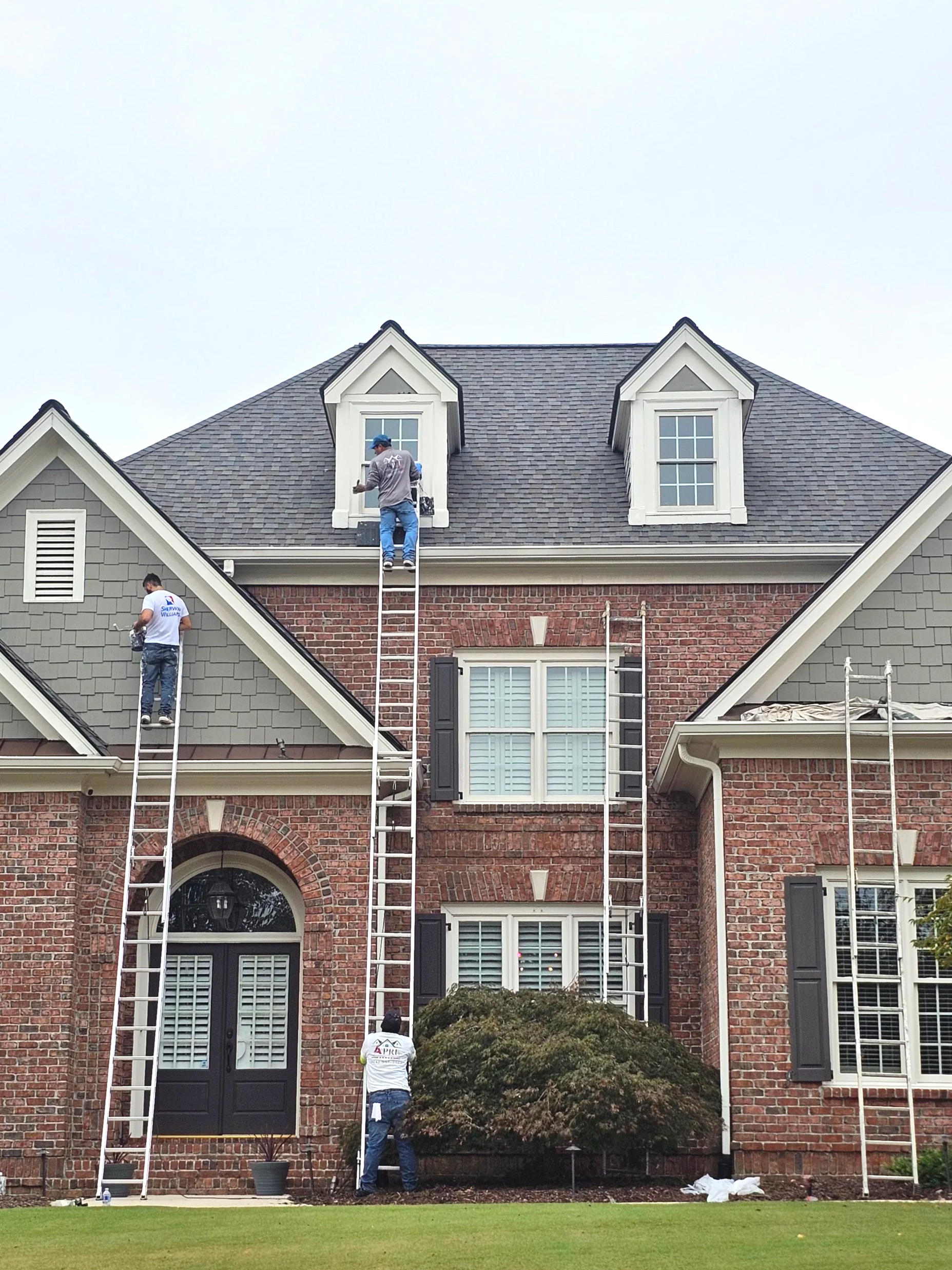
Exterior Maintenance in Georgia
How Often Should You Repaint Your Home’s Exterior?
Many homeowners want a simple answer such as every five, seven, or ten years. In reality, the condition of the existing coating is usually more important than the number of years since the home was last painted.
A properly prepared and professionally painted exterior can provide years of protection, but Georgia homes face a demanding combination of strong sunlight, heat, humidity, rain, pollen, and seasonal temperature changes.
Instead of waiting for widespread peeling or exposed wood, homeowners should periodically inspect the exterior and watch for the early signs that the coating system is beginning to deteriorate.
The Quick Answer
Most Homes Need Repainting Based on Condition—Not Just the Calendar
As a general planning range, many painted home exteriors may need attention somewhere around every five to ten years. But that range should never replace an actual inspection of the siding, trim, windows, fascia, soffits, doors, and other painted surfaces.
Some areas of a house may begin showing deterioration much sooner than others. A heavily exposed section can fade, crack, or lose adhesion while a protected side of the same home still looks relatively good.
The better question is not simply, “How old is my paint?” It is, “Is the coating still protecting the surfaces underneath it?”
Georgia’s Climate
Why Exterior Paint Can Wear Differently in North Georgia
Exterior coatings are constantly exposed to the environment. Here in North Georgia, that can mean intense summer sun, high humidity, frequent rain, pollen, storms, and significant temperature changes throughout the year.
These conditions do not affect every part of a home equally. Rooflines, window trim, fascia, doors, and elevations receiving stronger sun or moisture exposure may show wear before more protected areas.
That is why regular exterior inspections are so useful. Small coating or caulking problems can often be addressed before they develop into larger areas of deterioration.
Explore our exterior painting servicesStrong Sun Exposure
UV exposure can gradually fade color and contribute to deterioration of exterior coatings.
Humidity & Moisture
Repeated moisture exposure can become especially important around joints, trim, windows, fascia, and other vulnerable areas.
Seasonal Changes
Exterior materials expand and contract as temperatures and weather conditions change throughout the year.
Rain & Storms
Repeated exposure to wind-driven rain can reveal weak caulk joints, deteriorated coatings, and vulnerable exterior materials.
Peeling or Flaking Paint
Peeling paint is one of the clearest signs that an exterior coating system needs attention. Once paint begins separating from the substrate, the material underneath can become increasingly exposed to weather.
Peeling should also be investigated rather than simply covered with another coat. Moisture, poor previous preparation, deteriorated substrates, or incompatible coatings can all contribute to adhesion problems.
Applying new paint over loose material does not correct the underlying adhesion problem.
Fading or Uneven Color
Exterior colors naturally change as coatings spend years exposed to sunlight and weather. Some fading is primarily cosmetic, but noticeable differences between elevations can also show which portions of the home receive the greatest environmental exposure.
Darker or more saturated colors can make changes in appearance particularly noticeable. The quality of the coating, color selection, exposure, and substrate can all influence how the finish ages.
Fading alone does not always mean the coating has completely failed, but it is a useful reason to inspect the rest of the exterior more closely.
Cracked or Failed Caulking
Caulk is an important part of many exterior painting systems. It helps seal appropriate joints around trim, windows, doors, and other transitions.
Over time, caulk can crack, split, pull away, or lose flexibility. Once joints open, moisture may have an easier path into areas that should remain protected.
Caulking should be inspected as part of exterior maintenance instead of waiting until widespread paint failure appears.
Exposed or Deteriorating Wood
Wood trim depends on a properly maintained coating system to help protect it from repeated weather exposure. Once paint and primer deteriorate enough to expose bare wood, the material becomes more vulnerable to moisture.
Pay particular attention to fascia, window trim, door frames, columns, soffits, and other areas where water may collect or repeatedly contact the surface.
Repainting before significant wood deterioration develops can help reduce the amount of carpentry repair required later.
Chalking or a Powdery Surface
Some exterior coatings gradually develop a chalky residue as they weather. A small amount can be part of normal coating aging, but excessive chalking can indicate significant surface deterioration.
This condition matters when repainting because new coatings need a properly prepared substrate. Painting directly over a heavily chalked surface can interfere with adhesion.
Cleaning and surface preparation become especially important when an older exterior coating has significantly weathered.
Your Home Still Looks Good—but the Coating Is Aging
Not every repaint needs to begin with obvious peeling. In many cases, the better maintenance strategy is to repaint while the majority of the existing coating is still relatively sound.
Waiting until large areas have failed can significantly increase preparation. More scraping, sanding, priming, caulking, and wood repair may be necessary once deterioration has progressed.
Exterior painting is preventative maintenance as much as it is an appearance upgrade.
What Determines Paint Life?
Six Factors That Can Change Your Repainting Schedule
Cleaning, scraping, sanding, repairs, caulking, and priming can have a major influence on how well the new coating performs.
The coating should be appropriate for the substrate, exposure, and conditions where it will be used.
Elevations receiving stronger and longer UV exposure may show fading and coating wear sooner.
Gutters, roof runoff, landscaping, sprinklers, and failed joints can expose certain areas to additional moisture.
Wood, fiber cement, masonry, metal, and other substrates have different preparation and maintenance requirements.
The condition of previous coatings and how well the home was prepared last time can affect the next repaint cycle.
Where to Look First
Exterior Areas That Often Need Extra Attention
You do not need to wait until the entire house looks worn. These areas can reveal early warning signs that it is time to inspect the exterior more closely.
High Exposure
Window Trim
Windows contain multiple joints and horizontal surfaces where failed caulk, peeling coatings, or moisture-related deterioration can become visible.
Roofline
Fascia & Soffits
Fascia and soffit areas can provide clues about coating wear as well as possible moisture coming from gutters, roofing, or other areas above.
Large Surface Area
Siding
Siding can reveal overall fading, chalking, coating deterioration, open joints, and differences between heavily exposed and protected elevations.
Entry Areas
Doors & Trim
Doors and surrounding trim can experience strong sun, rain, hand contact, and moisture near thresholds, depending on how protected the entrance is.
Professional insight: Do not judge the entire exterior from the front of the house. Walk around every elevation and inspect windows, fascia, trim, doors, siding, and other exposed surfaces individually.
Preventative Maintenance
Why Repainting Before Major Failure Can Save You Work Later
Once an exterior coating has deteriorated significantly, the next painting project can require considerably more preparation. Loose paint may need to be scraped and sanded, exposed substrates may require primer, failed caulk may need replacement, and deteriorated wood may require repair.
Repainting while the existing system is still mostly sound can help homeowners maintain the protective envelope of the home instead of waiting for widespread failure.
- Walk around the home at least once or twice each year
- Look closely at windows, fascia, soffits, and trim
- Watch for cracked or separated caulking
- Check for peeling, fading, or chalking
- Address moisture problems instead of simply painting over them
- Plan repainting before extensive deterioration develops
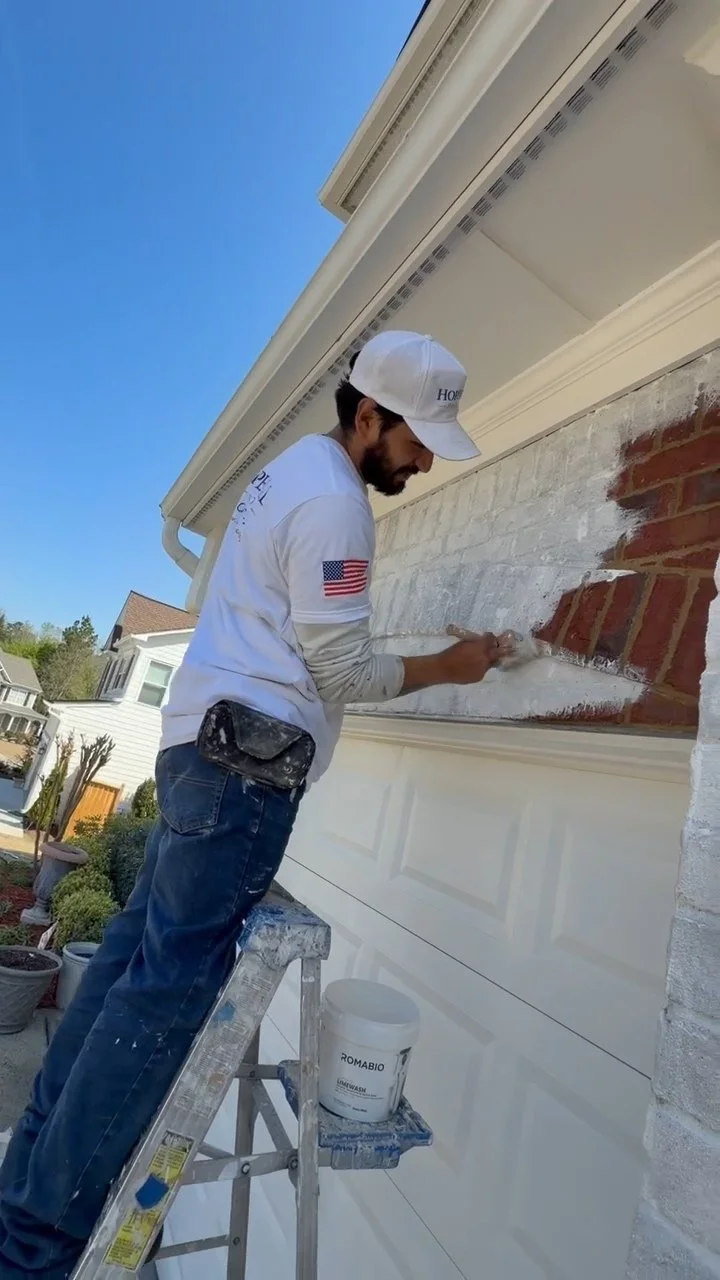
The Bottom Line
Do Not Wait for Your Exterior Paint to Completely Fail
There is no exact number of years that applies to every Georgia home. A general five-to-ten-year planning range can be useful, but the actual condition of the coating should guide the decision.
A home with excellent preparation, quality materials, and favorable exposure may remain in good condition longer. Another home may require attention sooner because of intense sun, moisture, failing caulk, previous preparation problems, or vulnerable exterior wood.
The goal is to repaint while the existing coating can still be properly prepared—not after large sections have already peeled and the surfaces underneath have begun to deteriorate.
Common Questions
Georgia Exterior Painting FAQs
How often should I repaint my house exterior in Georgia?
Many homeowners may use roughly five to ten years as a planning range, but the actual repaint schedule depends on the substrate, previous preparation, coating quality, sun exposure, moisture, and current condition of the exterior.
Do I need to wait until the paint starts peeling?
No. In many cases it is better to repaint before widespread peeling develops. Once coatings fail extensively, the next project may require substantially more scraping, sanding, priming, caulking, and repair.
Why is one side of my house fading faster than the others?
Different elevations receive different amounts of sunlight, rain, shade, and moisture. Because of this, exterior coatings can age at different rates on the same house.
Does expensive exterior paint last longer?
Product quality matters, but it is only one part of the system. Surface preparation, substrate condition, primer selection, application, weather exposure, and maintenance can all affect coating performance.
Should wood rot be repaired before repainting?
Yes. Significantly deteriorated wood should be properly repaired or replaced before painting. Paint should not be used to hide or stabilize rotten material.
What time of year is best for exterior painting in North Georgia?
Exterior painting depends more on suitable temperature, surface temperature, moisture, and weather conditions than on a single calendar month. Professional painters should follow the coating manufacturer's application requirements and monitor the forecast throughout the project.
Exterior Painting in Cumming & North Georgia
Not Sure if It Is Time to Repaint Your Home?
Hopewell Painting can evaluate the condition of your exterior, identify visible areas that need attention, and build a painting scope around the preparation your home actually needs. We serve Cumming, Alpharetta, Milton, Roswell, Johns Creek, and surrounding North Georgia communities.
Because every detail matters.
