
How to Prepare Your Home for Professional Painters
A little preparation before your painters arrive can make the entire project smoother, safer, and less stressful. But preparing your home does not mean doing the painter's job for them. Homeowners should focus on access, personal belongings, pets, and important decisions while a professional painting crew handles the detailed protection and surface preparation.

A Homeowner's Preparation Guide
How Should You Prepare Your Home for Professional Painters?
The best way to prepare is to make the rooms accessible without trying to complete the professional preparation yourself. Remove fragile belongings, clear smaller items, make arrangements for pets, confirm your colors, and communicate anything the crew needs to know before work begins.
Your painting company should then take responsibility for protecting the surfaces included in the project, completing the agreed preparation work, repairing included imperfections, sanding where necessary, caulking, priming, masking, painting, and cleaning the work area.
Knowing where the homeowner's responsibility ends and the painter's begins makes the project easier for everyone.
Start With the Right Expectation
Prepare the Home — Not the Surfaces
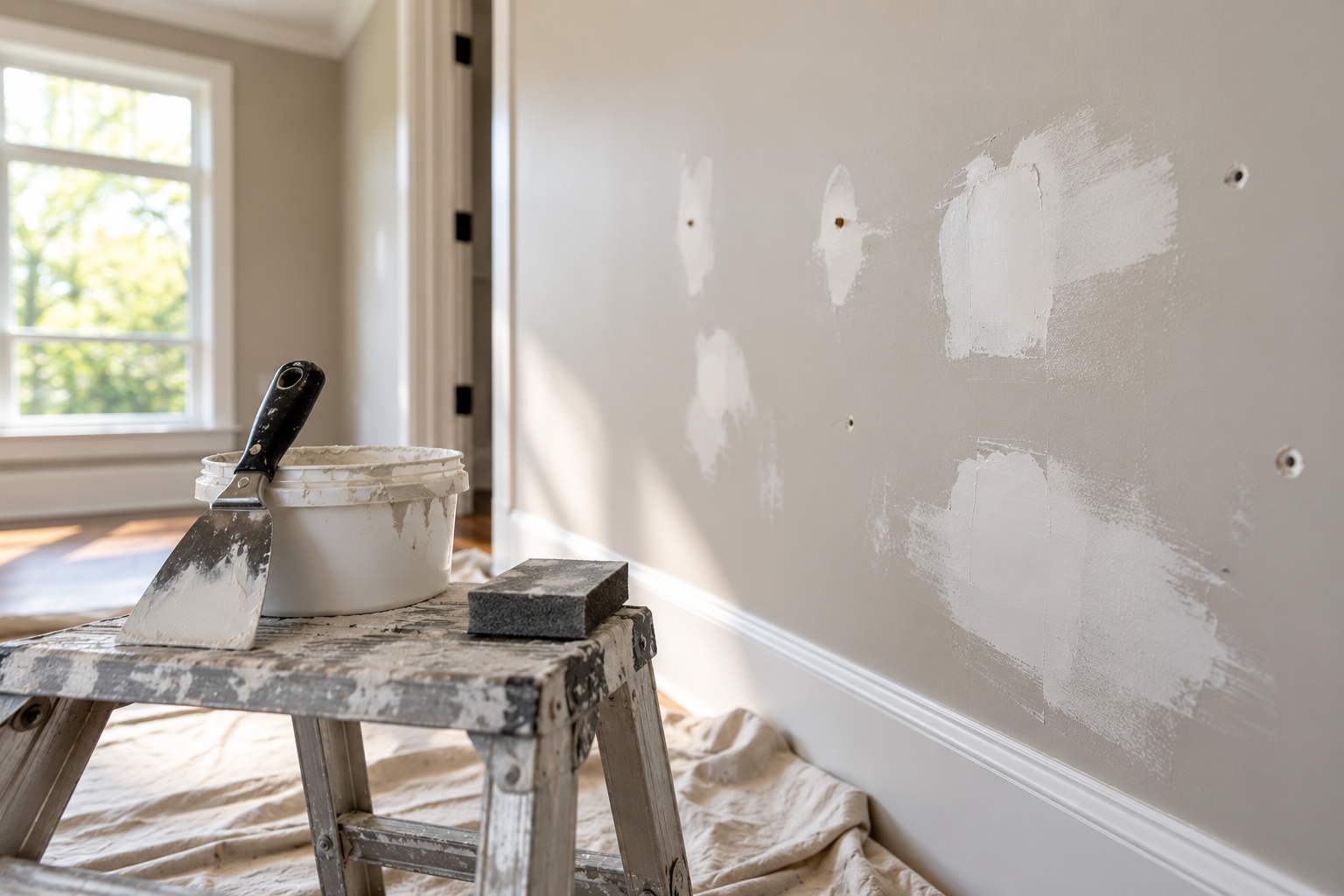
Homeowners sometimes assume they need to patch walls, sand surfaces, remove switch plates, tape edges, cover floors, or even apply primer before the painters arrive. Unless your contractor specifically asks you to do those things, that usually should not be necessary.
Professional preparation is an important part of a professional paint job. Your painter needs to evaluate the surfaces and determine which repairs, sanding methods, primers, caulks, and protection systems are appropriate before applying the finish coats.
Your preparation should instead focus on giving the crew safe access to the work areas and protecting personal belongings that are especially valuable, fragile, sentimental, or difficult to replace.
Before Painting Day
Four Things Make the Biggest Difference
You do not need an empty house before professional painters arrive. What the crew really needs is enough room to work safely and efficiently around the surfaces included in the project.
Focus your preparation on access, personal belongings, pets and children, and final project decisions. Taking care of these items ahead of time can prevent delays once the crew is ready to begin.
Explore our interior painting servicesAccess
Clear reasonable pathways so painters can safely reach walls, ceilings, trim, and doors.
Belongings
Remove small, fragile, valuable, and sentimental items from the work areas.
Pets & Children
Plan how pets and young children will stay safely separated from active work areas.
Decisions
Confirm colors, finishes, scope, access instructions, and important details before work begins.
Clear the Small Things and Create Room to Work
Start by removing smaller objects from the rooms being painted. Lamps, tabletop decorations, plants, electronics, toys, baskets, and other loose belongings are easier and safer to move before the crew arrives.
Large furniture does not necessarily need to leave the room. Depending on the project and what was discussed during the estimate, larger pieces can often be moved toward the center of the room and professionally protected. If a piece is exceptionally heavy, delicate, or valuable, discuss it with your painter before the project begins.
Valuable antiques, artwork, electronics, collectibles, and sentimental belongings should be moved by the homeowner whenever possible.
Remove What You Want Protected or Repositioned
Pictures, mirrors, decorative signs, clocks, removable shelving, and other wall decor should generally be taken down before painting. This gives the painters access to the complete wall and protects your belongings from accidental damage.
This is also a good time to decide whether everything will return to the same location. If you no longer want certain pictures or decorations in their original positions, tell your painter which nail holes should be filled rather than painted around.
Do not automatically patch every hole yourself. Let the painting crew know what will be rehung so unnecessary repairs are not made.
Only Empty the Areas Included in the Project
If the inside of a closet is being painted, clothing and stored belongings should be removed so painters can access the walls, shelving, baseboards, and ceiling. If only the room outside the closet is being painted, there may be no reason to empty it.
The same principle applies to cabinets and built-ins. When cabinet interiors are excluded, homeowners usually do not need to empty every cabinet. When interiors or shelving are included, the contents should be removed before work begins.
Review the proposal before spending hours emptying areas that are not part of the painting scope.
Make a Plan for Active Work Areas
Painting projects involve open doors, ladders, tools, drop cloths, wet coatings, and workers moving throughout the home. Pets should have a secure place away from the active work area, especially when exterior doors may need to remain open temporarily.
Families with young children should also think about which rooms will be unavailable during the project. Planning sleeping arrangements, homework areas, meals, and normal household routines beforehand can make a multi-day project much easier.
Tell your painters about pets even when they normally stay outside or in another part of the house.
Finalize Important Decisions Before the Crew Starts
Paint colors should ideally be confirmed before materials are purchased. Clearly identify which colors belong on walls, ceilings, trim, doors, cabinets, and accent areas so there is no confusion once painting begins.
This is also the time to review the scope. Make sure both homeowner and contractor understand which rooms and surfaces are included, which repairs are expected, and whether any areas are intentionally excluded.
Last-minute color or scope changes can affect materials, scheduling, labor, and the final project price.
What Your Painters Should Handle
Professional Preparation Is Part of a Professional Paint Job.
Work areas should be properly protected using appropriate coverings before painting begins.
Included nail holes, dents, cracks, and minor imperfections should be repaired according to the agreed scope.
Surfaces should receive the cleaning, sanding, or deglossing required for proper coating adhesion.
Appropriate trim joints and gaps should be caulked where included and necessary for a finished appearance.
Primer should be selected and applied where the surface or coating system requires it.
A professional crew should maintain an organized work area and clean appropriately throughout the project.
Your Preparation Timeline
What Should You Do Before Painters Arrive?
You do not need to prepare everything at once. Breaking the process into a few simple stages keeps the house organized without turning painting preparation into another major project.
Several Days Before
Make Decisions
Confirm the project scope, colors, finishes, access instructions, and any special concerns with your painting company.
The Night Before
Clear the Space
Remove fragile belongings, wall decor, small furniture, valuables, and anything that could prevent safe access to the work area.
The Morning Of
Secure the Home
Secure pets, provide necessary access, communicate alarms or gate codes, and make sure the crew knows how to reach you.
During the Project
Stay Connected
Keep communication open and address questions promptly while allowing the crew enough space to complete the work safely and efficiently.
Professional insight: Ask your painting company what they specifically need you to move before the project. Every home and scope is different, and moving unnecessary items can create more work for the homeowner without helping the crew.
What Not to Do
Do Not Feel Like You Have to Prep the Walls Yourself
It may be tempting to patch holes, sand walls, caulk trim, or apply leftover primer before your painters arrive. Unless this has been discussed with your contractor, leaving professional surface preparation to the crew is usually the better approach.
Different surfaces and existing coatings require different preparation methods. Improper patching, heavy sanding, incompatible caulk, or the wrong primer can create additional work instead of saving time.
- Remove valuable and fragile personal belongings
- Clear reasonable access to the surfaces being painted
- Tell the crew about known stains, leaks, cracks, or damage
- Confirm which old nail holes should be repaired
- Let the painters complete the professional surface preparation
The Bottom Line
Make the Home Accessible and Let the Professionals Handle the Prep
Preparing for professional painters should not mean spending days doing the painting company's work. Focus on personal belongings, access, pets, valuables, colors, and communication. Those are the things homeowners can address most effectively before the project begins.
Once the crew arrives, professional protection, repairs, sanding, caulking, priming, masking, painting, and cleanup should be handled according to the scope of your project. Clear expectations on both sides create a smoother experience and a better finished result.
Common Questions
Preparing for Professional Painters FAQs
Do I need to move all of my furniture before painters arrive?
Not necessarily. Smaller and fragile belongings should usually be removed. Larger furniture can often be moved toward the center of the room and protected, depending on the project and what was agreed upon with your painting company.
Should I remove pictures from the walls?
Yes, removing pictures, artwork, mirrors, and other wall decor gives painters better access and protects your belongings. Tell your painter which nail holes should be filled and which will be reused.
Do I need to patch nail holes before the painters come?
Usually not if minor wall repairs are included in your painting scope. Professional painters can prepare those areas using materials and methods appropriate for the existing surface.
Do I need to clean the walls before professional painting?
Normal household preparation is helpful, but specialized surface cleaning required for paint adhesion should be discussed with the painter. Areas with grease, smoke residue, mildew, heavy dirt, or other contamination may require additional preparation.
Do I have to be home while the painters are working?
Not necessarily. Many homeowners continue their normal schedules while work is underway. Make sure the crew has the necessary access and a reliable way to contact you if a question or unexpected condition comes up.
What should I do with my pets during painting?
Keep pets securely separated from active work areas. This protects the pet, the crew, and the freshly painted surfaces, and it prevents pets from escaping when doors need to be opened.
Professional Interior Painting in North Georgia
Planning an Interior Painting Project?
Hopewell Painting helps homeowners through the entire painting process, from preparation and surface repairs to premium coatings and final cleanup. We serve Cumming, Alpharetta, Milton, Roswell, Johns Creek, and surrounding North Georgia communities.
Because every detail matters.
