
Everything homeowners should know about choosing the right paint sheen for walls, ceilings, kitchens, bathrooms, doors, and trim.
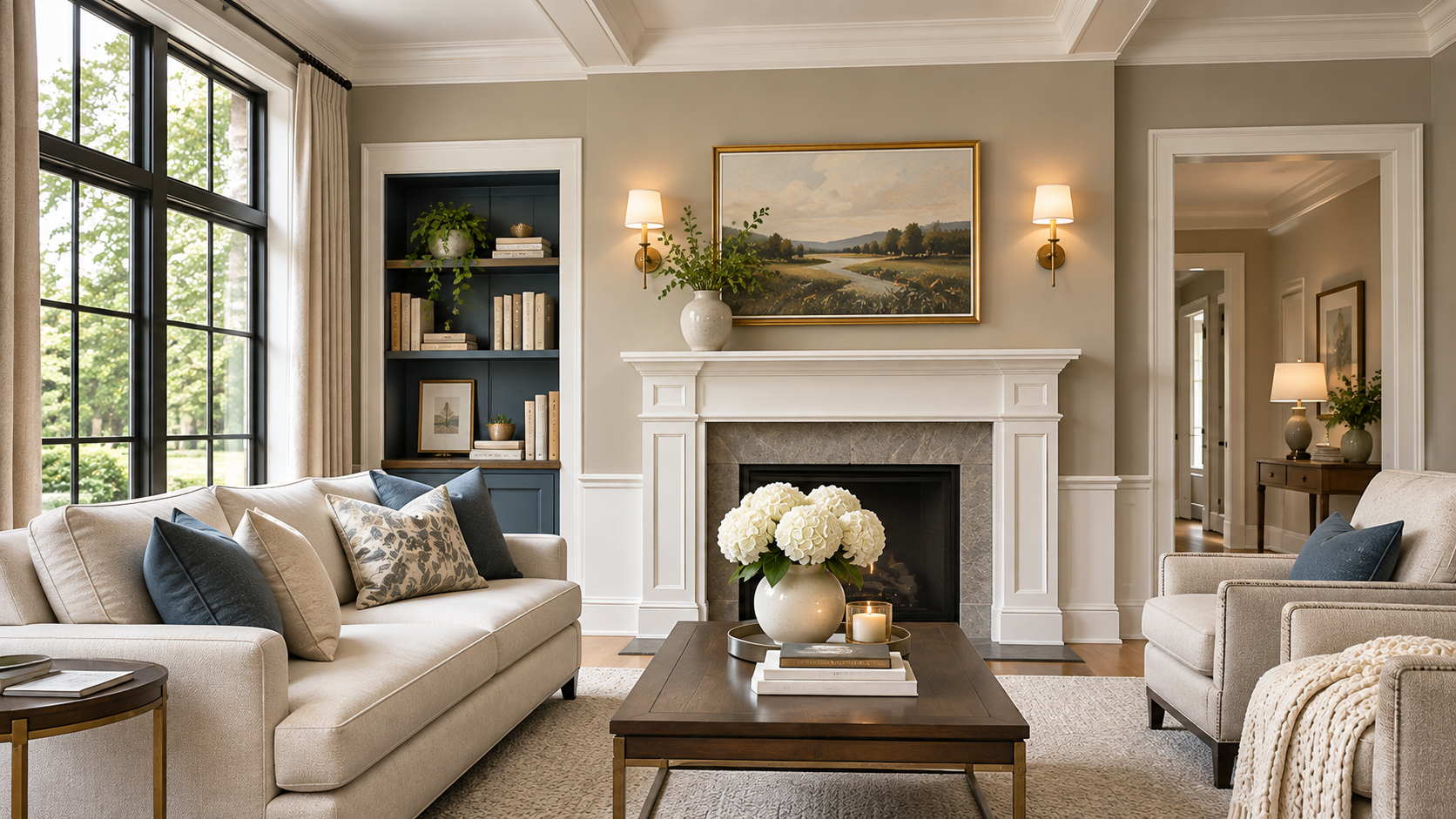
The Finish You Choose Can Change the Way an Entire Room Looks.
Choosing the perfect paint color is exciting. But there's another decision that can make just as much of a difference: choosing the right paint finish.
You might love a warm white paint sample, only to discover that the finish reflects more light than you expected once it's applied to your walls.
Or perhaps you've selected a beautiful matte finish for a busy hallway, without considering how frequently the walls will need cleaning.
Flat, matte, eggshell, satin, and semi-gloss finishes each create a different appearance. They can also influence how noticeable wall imperfections become and how practical a surface is to maintain.
At Hopewell Painting, we help homeowners in Cumming, Alpharetta, Milton, Roswell, Johns Creek, Suwanee, and surrounding North Georgia communities select finishes that complement their homes and everyday lifestyles.
This comprehensive guide explains the differences between common interior paint finishes, where each one works best, and what to consider before making your final selection.
What Is Paint Sheen, and Why Does It Matter?
Paint sheen describes the amount of light a dried paint surface reflects.
Some finishes create a soft, understated appearance with very little visible shine. Others reflect more light, producing a smoother-looking or more noticeable sheen.
The finish affects more than appearance.
It can influence how imperfections are perceived, how the paint color appears under different lighting, and how the surface responds to everyday contact and cleaning.
Higher sheen does not automatically mean higher paint quality. Durability, stain resistance, and washability depend on the specific paint formulation, not sheen alone.
Understanding Light Reflection
Flat and matte finishes generally reflect less direct light. This can help create a calm, elegant appearance while making certain surface imperfections less noticeable.
Satin and semi-gloss finishes reflect more light and can emphasize architectural details. However, they may also reveal drywall repairs, sanding marks, or uneven textures.
This is why the best finish depends on the room, the surface condition, and the appearance you want to achieve.
Understanding Flat, Matte, Eggshell, Satin, Semi-Gloss, and Gloss Finishes.
Every interior paint finish offers a different balance of appearance and practical performance.
Understanding these differences will help you make a more informed decision for your home.
Flat
Minimal visible shine. Often used on ceilings and low-traffic walls. Helps reduce the appearance of minor surface irregularities.
Matte
Soft, sophisticated, and low-reflection. A beautiful option for living rooms, bedrooms, dining rooms, and offices.
Eggshell
A subtle sheen that balances appearance and practicality. Commonly selected for living areas and hallways.
Satin
A smoother, more reflective appearance often considered for kitchens, bathrooms, busy hallways, and trim.
Semi-Gloss
Noticeable shine that highlights architectural details. Popular for doors, baseboards, and decorative molding.
Gloss
Highly reflective. Generally reserved for specialty doors, furniture, and decorative details requiring a bold finish.
Are Matte and Flat the Same?
Not always.
Some manufacturers use these terms differently, and the actual sheen level can vary between product lines.
A premium matte coating may also offer different cleaning performance than a traditional flat wall paint.
Always compare actual paint samples and product information rather than relying only on the sheen name.
How Do Interior Paint Finishes Compare?
When comparing finishes, consider three important characteristics:
How much light the finish reflects, how it affects the appearance of the wall, and whether the selected paint product meets your maintenance needs.
Flat: Minimal Reflection
Often the most forgiving visually on imperfect ceilings and walls. Cleaning performance depends on the product.
Matte: Soft and Elegant
Offers a refined, low-sheen appearance. Premium formulations can provide excellent washability.
Eggshell: Subtle Shine
A versatile choice for many interior walls. Provides gentle reflection without the pronounced appearance of satin.
Satin: Moderate Reflection
Common in frequently used areas. Can be practical for cleaning but may reveal more surface imperfections.
Semi-Gloss: Noticeable Shine
Commonly used for doors and trim. Creates visual contrast but requires careful surface preparation.
Gloss: High Reflection
Creates a dramatic finish for specialty applications. Small imperfections can become especially noticeable.
Don't select a finish based on shine alone. The best choice balances appearance, surface condition, room use, and the specific paint product's performance.
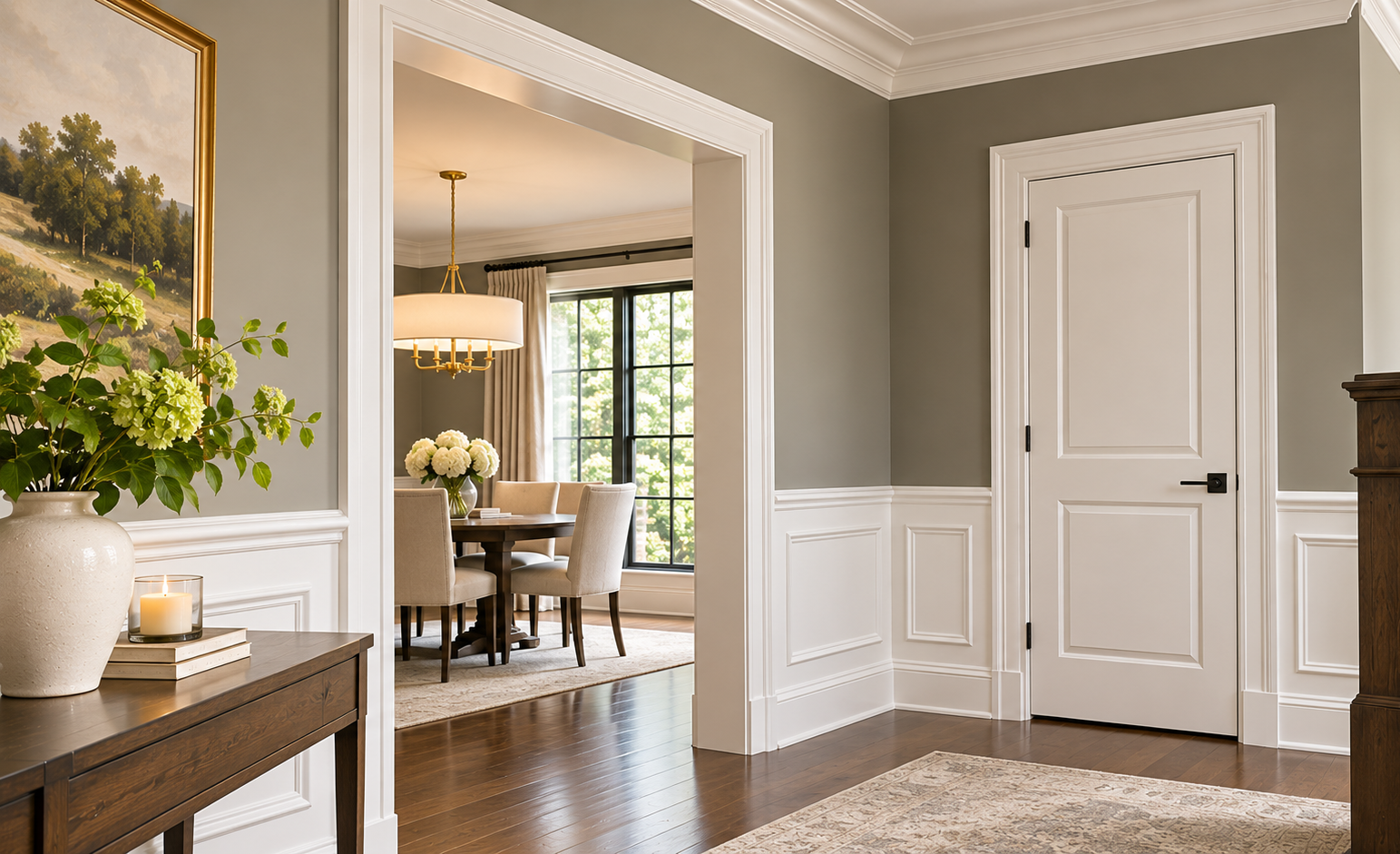
What Is the Best Paint Finish for Each Room?
Different rooms have different lighting conditions, traffic levels, and cleaning needs.
A finish that looks beautiful in a formal dining room may not be the most practical choice for a busy hallway.
Living Rooms
Matte and eggshell are excellent starting points. Matte creates a sophisticated, understated appearance, while eggshell provides slightly more reflection.
Bedrooms
Flat, matte, and eggshell can all work well. Consider the amount of wall contact and whether frequent cleaning is needed.
Kitchens
Washable matte, eggshell, and satin may be appropriate. Prioritize coatings designed to withstand the cleaning demands of the space.
Bathrooms
Satin is a common choice, although some specialty matte and other coatings are suitable for bathrooms.
Proper ventilation and moisture control are essential regardless of paint sheen.
Hallways and Staircases
Durable matte, eggshell, or satin finishes may work well depending on the wall condition and expected level of contact.
Dining Rooms and Offices
Matte and eggshell can provide a refined appearance, particularly where natural light and decorative lighting influence the room.
Ceilings
Flat ceiling paint is a popular choice because it minimizes reflection and can help conceal minor surface irregularities.
Doors and Trim
Satin and semi-gloss are common choices. Select an appropriate trim enamel rather than relying solely on standard wall paint.
You don't need to use the same sheen on every surface. Combining matte walls, flat ceilings, and carefully finished trim can create a more polished and intentional interior.
Choosing the Right Sherwin-Williams Paint for Your Interior.
Choosing a sheen is only one part of selecting the right paint.
Different paint lines offer different formulations, finish options, and performance characteristics.
At Hopewell Painting, we work with premium Sherwin-Williams products selected according to the needs of each project.
Sherwin-Williams Emerald Interior Acrylic Latex
Emerald Interior is a premium coating option for residential interior walls and other approved surfaces.
It can be considered when homeowners want a refined finish and practical performance.
The best sheen depends on the room, the surface, and the desired appearance.
Sherwin-Williams SuperPaint Interior Acrylic Latex
SuperPaint is another product line used for residential interior painting.
It may be suitable for a range of wall and ceiling applications depending on the chosen formulation and sheen.
Sherwin-Williams Emerald Urethane Trim Enamel
Emerald Urethane Trim Enamel is designed for applications such as interior doors, trim, and cabinets.
It's one of the products Hopewell Painting uses when a durable, refined finish is appropriate.
What Should You Compare?
- Approved surfaces and applications
- Available sheen options
- Washability and stain resistance
- Moisture suitability
- Surface preparation requirements
- Recommended application methods
- Drying and curing instructions
Always confirm current manufacturer product information before making a final selection.
Why the Same Paint Finish Can Look Different Throughout Your Home.
Have you ever noticed that a wall looks smooth in the morning but reveals imperfections when sunlight hits it from the side?
Lighting changes how we perceive paint color, surface texture, and sheen.
Windows and Sunlight
Large windows and direct sunlight can reveal drywall texture, uneven repairs, and reflections.
Recessed and Decorative Lighting
Wall-washing fixtures, recessed lights, and chandeliers can influence how shiny a painted surface appears.
Why Higher Sheen Reveals More Imperfections
Glossy surfaces reflect light more directly. This can emphasize sanding marks, drywall seams, uneven texture, and application differences.
Lower-sheen finishes often create a more forgiving appearance, although they cannot correct damaged or poorly prepared walls.
Test Before You Commit
Review the actual paint color and finish in morning, afternoon, and evening lighting.
Use an appropriate sample area or sample board to understand how the finish will appear in your home.
The same color in matte and satin can appear noticeably different under certain lighting. Always evaluate both color and sheen.
Beautiful Interior Painting Requires More Than Choosing the Right Sheen.
A beautiful result comes from combining the right materials with careful preparation and application.
Surface Condition
Existing damage, texture, and repairs influence the final appearance.
Preparation
Cleaning, patching, sanding, and protecting surfaces help create a suitable foundation.
Primer
Appropriate primers help address porosity, stains, and adhesion where necessary.
Paint and Sheen
Product quality and finish selection influence appearance and performance.
Application
Suitable tools, technique, and coat thickness contribute to a consistent finish.
Drying and Curing
Allowing proper drying and curing time helps protect the newly painted surfaces.
How Preparation and Application Affect the Final Paint Finish.
Even premium paint can look disappointing when applied over poorly prepared walls.
At Hopewell Painting, we emphasize preparation because it plays an essential role in the final result.
Inspect and Repair the Surface
Identify nail holes, drywall damage, peeling coatings, uneven patches, and other visible imperfections.
Clean and Sand Where Appropriate
Remove contaminants and prepare repaired or previously painted surfaces according to the coating system.
Prime When Necessary
Bare drywall, repaired areas, stains, and difficult substrates may require suitable primers before painting.
Apply the Finish Consistently
Proper roller selection, application technique, and recommended film thickness contribute to a consistent final appearance.
Allow Appropriate Drying Time
Follow the manufacturer's recommended recoat intervals and curing instructions.
We believe in 80% preparation and 20% painting. The details completed before the final coat help determine how beautiful the finished project looks.
For homes built before 1978, disturbing existing paint may require lead-safe work practices and compliance with applicable EPA rules.
Common Mistakes When Choosing Interior Paint Finishes.
Assuming Shinier Paint Is Better
Higher sheen is not automatically more durable or better quality than premium matte paint.
Ignoring Wall Imperfections
Satin and semi-gloss can emphasize uneven drywall repairs, texture, and sanding marks.
Using the Same Paint Everywhere
Ceilings, walls, doors, and trim may require different products and finishes.
Ignoring Bathroom Moisture
The selected coating should be suitable for bathroom conditions. Ventilation and moisture control remain important.
Testing Color but Not Sheen
A paint color can look different when applied in matte, eggshell, satin, or semi-gloss.
Skipping Surface Preparation
Paint cannot automatically conceal cracks, peeling, dents, or uneven repairs.
Assuming Sheen Labels Are Universal
Sheen categories can vary between manufacturers and product lines. Compare samples before deciding.
Should You Choose Your Paint Finish Yourself or Ask a Professional?
Homeowners can often select a suitable finish for straightforward painting projects by reviewing product information and testing samples.
However, larger projects can involve several surfaces, lighting conditions, and performance requirements.
Professional guidance can help homeowners compare suitable products and avoid costly finish-selection mistakes.
Best for Simple Projects
May be appropriate when surfaces are in good condition and product requirements are straightforward.
- Research product options
- Compare physical sheen samples
- Evaluate lighting conditions
- Prepare surfaces correctly
Ideal for Larger Projects
Helpful when several rooms, detailed trim, difficult surfaces, or specialty finishes are involved.
- Evaluate existing surfaces
- Recommend suitable coatings
- Coordinate finishes across rooms
- Plan preparation and application
For homeowners planning a whole-house interior repaint, professional guidance can help create a consistent appearance from room to room.
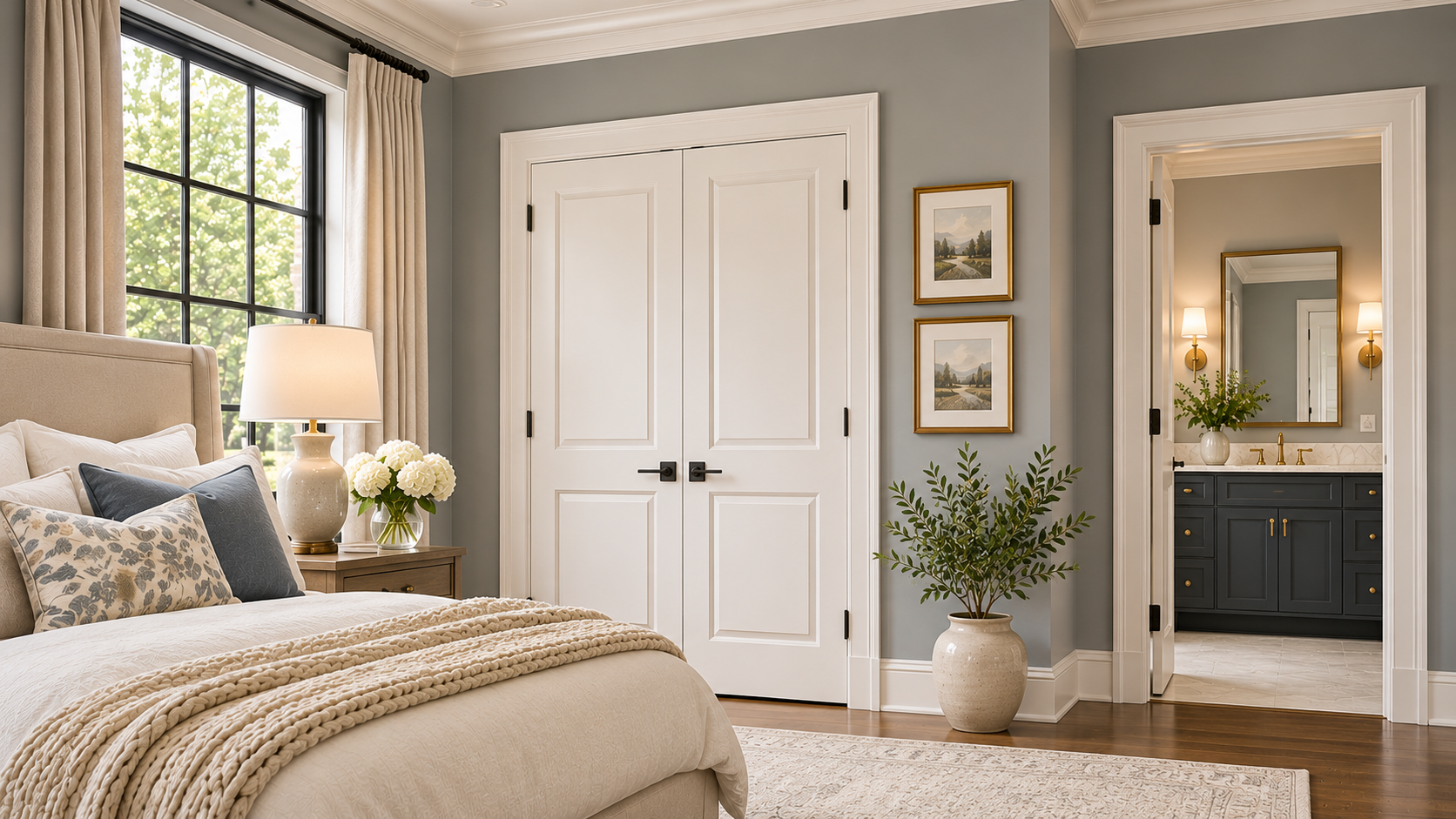
Your Interior Paint Finish Selection Checklist.
Before choosing your final paint finish, consider these important details for each room.
Frequently Asked Questions About Interior Paint Finishes.
What is the best paint finish for interior walls? +
Matte and eggshell are popular options for many interior walls. The best choice depends on the room's use, surface condition, desired appearance, and the performance of the selected paint.
Is matte or eggshell better for a living room? +
Matte creates a softer, lower-reflection appearance. Eggshell provides a subtle sheen. Both can work well when the selected coating meets your cleaning needs.
Is satin too shiny for living room walls? +
Not necessarily. Satin generally reflects more light than matte or eggshell, so it may emphasize surface imperfections. Testing a sample under your room's lighting is recommended.
What paint finish is best for bathrooms? +
Satin is a common choice, but some specialty matte and other coatings are also suitable. Select a product intended for bathroom conditions and maintain proper ventilation.
What is the best finish for kitchen walls? +
Washable matte, eggshell, and satin may all be appropriate. Choose a coating with cleaning performance suitable for the kitchen.
Should ceilings be painted flat or matte? +
Flat ceiling paint is a common choice because its low reflection can help minimize the appearance of minor surface irregularities.
Should interior doors and trim be satin or semi-gloss? +
Both are popular. Satin provides a softer appearance, while semi-gloss creates more noticeable shine. Choose a suitable trim enamel for the application.
Does higher paint sheen mean better durability? +
Not automatically. While higher sheen has traditionally been associated with easier cleaning, modern low-sheen paints can also offer strong performance. Compare specific products.
Can I use different paint finishes in the same room? +
Yes. Many interiors combine flat ceilings, matte or eggshell walls, and satin or semi-gloss trim to create attractive visual contrast.
Can Hopewell Painting help me choose the right finish? +
Yes. Hopewell Painting helps homeowners evaluate paint finish options for interior walls, ceilings, doors, and trim throughout Cumming, Alpharetta, Milton, Roswell, Johns Creek, and surrounding North Georgia.
The Right Finish Makes a Beautiful Paint Color Even Better.
Choosing between flat, matte, eggshell, satin, and semi-gloss doesn't have to be complicated.
Start by considering how the room is used, how much light it receives, and the condition of the surfaces.
Then compare appropriate paint products and finishes based on appearance, cleaning needs, and manufacturer recommendations.
When combined with proper preparation and careful application, the right paint finish can enhance your home's architecture and create a beautiful, cohesive interior.
It's one of the many details worth considering before beginning your next interior painting project.
Ready to Refresh Your Home's Interior?
From beautiful matte walls to carefully finished doors and architectural trim, Hopewell Painting provides premium interior painting services with attention to every detail.
Request Your Interior Painting EstimateServing Cumming · Alpharetta · Milton · Roswell · Johns Creek · North Georgia
Because every detail matters.
