
Your walls are one of the largest visual elements in your home. Over time, everyday living can leave behind marks, fading, and imperfections that gradually change how a room feels. Knowing when to repaint can help you maintain a beautiful, well-cared-for interior.
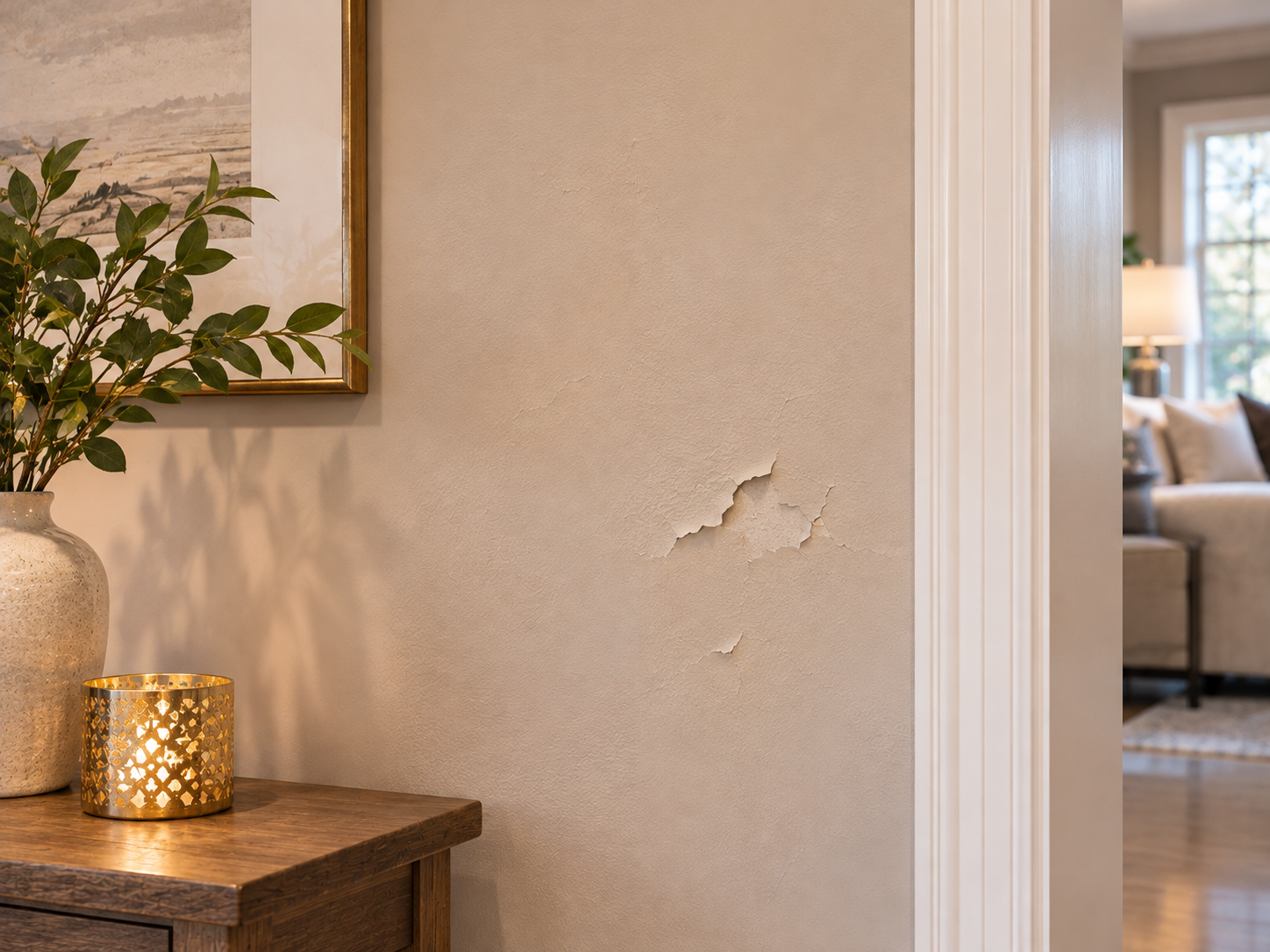
Is It Time to Give Your Walls a Fresh Start?
Interior paint does more than add color. It helps create a consistent finish, makes rooms feel welcoming, and provides a protective coating over properly prepared surfaces.
But even high-quality paint eventually shows signs of age, especially in busy homes with children, pets, frequent cleaning, and everyday activity.
At Hopewell Painting, we help homeowners throughout Cumming, Alpharetta, Milton, Roswell, Johns Creek, and surrounding North Georgia communities recognize when a professional interior refresh is worth considering.
Small Changes in Your Walls Can Make a Big Difference.
It's easy to overlook a few scuffs in the hallway or a faded section behind the sofa. But when these imperfections appear throughout a room, they can make an otherwise beautiful home feel tired.
Not every mark requires a complete repaint. Some problems can be corrected with cleaning, small repairs, or careful touch-ups.
However, when damage becomes widespread or the existing finish no longer looks consistent, repainting may be the more practical solution.
What Is Your Home Trying to Tell You?
Here are five common indicators that your interior walls may be ready for a fresh coat of paint—and what each one means.
Your Wall Color Looks Faded or Uneven.
Have you ever moved a picture frame or piece of furniture and noticed that the paint underneath looks different?
Sunlight, age, cleaning, and everyday exposure can gradually change the appearance of painted surfaces. Rooms with large windows may show more noticeable differences in areas receiving direct sunlight.
Uneven color can also make touch-ups difficult. Even when the original paint color is available, newly applied paint may not blend perfectly with an older finish.
When fading is widespread, repainting the entire wall—or the room—often creates a more consistent appearance than multiple touch-ups.
Scuff Marks and Stains Won't Come Off Anymore.
Hallways, staircases, kitchens, and children's rooms experience constant activity. Over time, furniture, shoes, hands, and everyday contact can leave marks on painted walls.
Some marks can be removed with gentle cleaning. Others become embedded in the finish or require cleaning methods that risk damaging the paint.
If cleaning leaves shiny patches, dull areas, or visible differences in sheen, the wall may no longer have a uniform appearance.
Consider a durable, washable interior coating appropriate for the room. The right paint and sheen can make future maintenance easier.
Your Paint Is Peeling, Cracking, or Bubbling.
Peeling and bubbling are more than cosmetic problems. They may indicate that the coating has lost adhesion or that an underlying condition needs attention.
Possible causes include moisture, inadequate surface preparation, contamination, incompatible coatings, or application under unsuitable conditions.
Simply applying another coat over failing paint is unlikely to provide a lasting solution. The underlying cause should be identified and corrected first.
Investigate moisture and adhesion problems before repainting. Damaged coatings may need removal, followed by appropriate repairs, preparation, and priming.
Safety note: If your home was built before 1978, disturbing old paint may require lead-safe work practices. Suspected mold or active water intrusion should also be addressed before painting.
Old Patches and Wall Imperfections Are Becoming Noticeable.
Small nail holes, dents, drywall patches, and repaired cracks can become more visible as lighting changes throughout the day.
Poorly blended repairs may show through new paint, especially when the surface texture or sheen doesn't match the surrounding wall.
That's why quality interior painting involves more than selecting a color. Proper surface preparation is essential for a smooth, consistent result.
Repair imperfections, sand and blend the affected areas, and prime as needed before applying finish paint. Recurring cracks should be evaluated for their cause.
Your Interior No Longer Reflects Your Style.
Sometimes your walls aren't physically damaged. They're simply no longer the right fit for your home.
A color chosen years ago may clash with new flooring, cabinetry, furniture, or the overall design you want to achieve.
Updating your wall color can create a more cohesive appearance without requiring a major renovation.
Warm neutrals, soft whites, sophisticated earth tones, and thoughtfully chosen accent colors can all work beautifully when coordinated with the home's lighting and permanent finishes.
Test paint samples in the actual room and observe them throughout the day before making your final color decision.
Why Preparation Matters More Than Most Homeowners Realize.
A beautiful finish starts well before the first coat of paint. At Hopewell Painting, our philosophy is simple: 80% preparation and 20% painting.
Protect
Carefully cover floors, furniture, fixtures, and nearby surfaces before work begins.
Inspect
Identify damaged paint, surface imperfections, stains, and areas requiring additional attention.
Repair
Address included drywall imperfections, nail holes, minor dents, and other agreed-upon repairs.
Prepare
Clean, sand, caulk suitable gaps, and prime surfaces where needed for proper coating performance.
Paint
Apply suitable premium coatings using professional techniques for consistent coverage and finish.
Inspect Again
Review the completed work, address agreed-upon touch-ups, and leave the work area clean.
Should You Touch Up Your Walls or Repaint the Entire Room?
Not every imperfection requires a complete repaint. Here's how to think about the difference.
When Touch-Ups May Be Enough
Small, isolated marks or repairs may be good candidates for touch-ups when the existing coating is in good condition.
- Only a few minor imperfections
- Existing paint is still sound
- Original product and finish are available
- Color and sheen can be matched acceptably
When Repainting Makes More Sense
A full wall or room repaint can provide a more uniform appearance when imperfections are widespread.
- Multiple walls have visible wear
- Color has faded unevenly
- Old touch-ups remain noticeable
- You're changing colors or finishes
A Fresh Coat of Paint Can Transform More Than Your Walls.
When walls are clean, colors are consistent, and repairs blend naturally into the finish, the entire room can feel more polished.
Whether you're preparing for guests, updating a recently purchased home, or simply refreshing the spaces you use every day, professional interior painting can make a meaningful visual difference.
Hopewell Painting uses premium Sherwin-Williams products selected for each project's needs, with careful attention to preparation, application, and finishing details.
- Professional surface preparation
- Drywall repairs as included in the scope
- Thoughtful color and sheen selection
- Premium interior paint options
- Careful final inspection
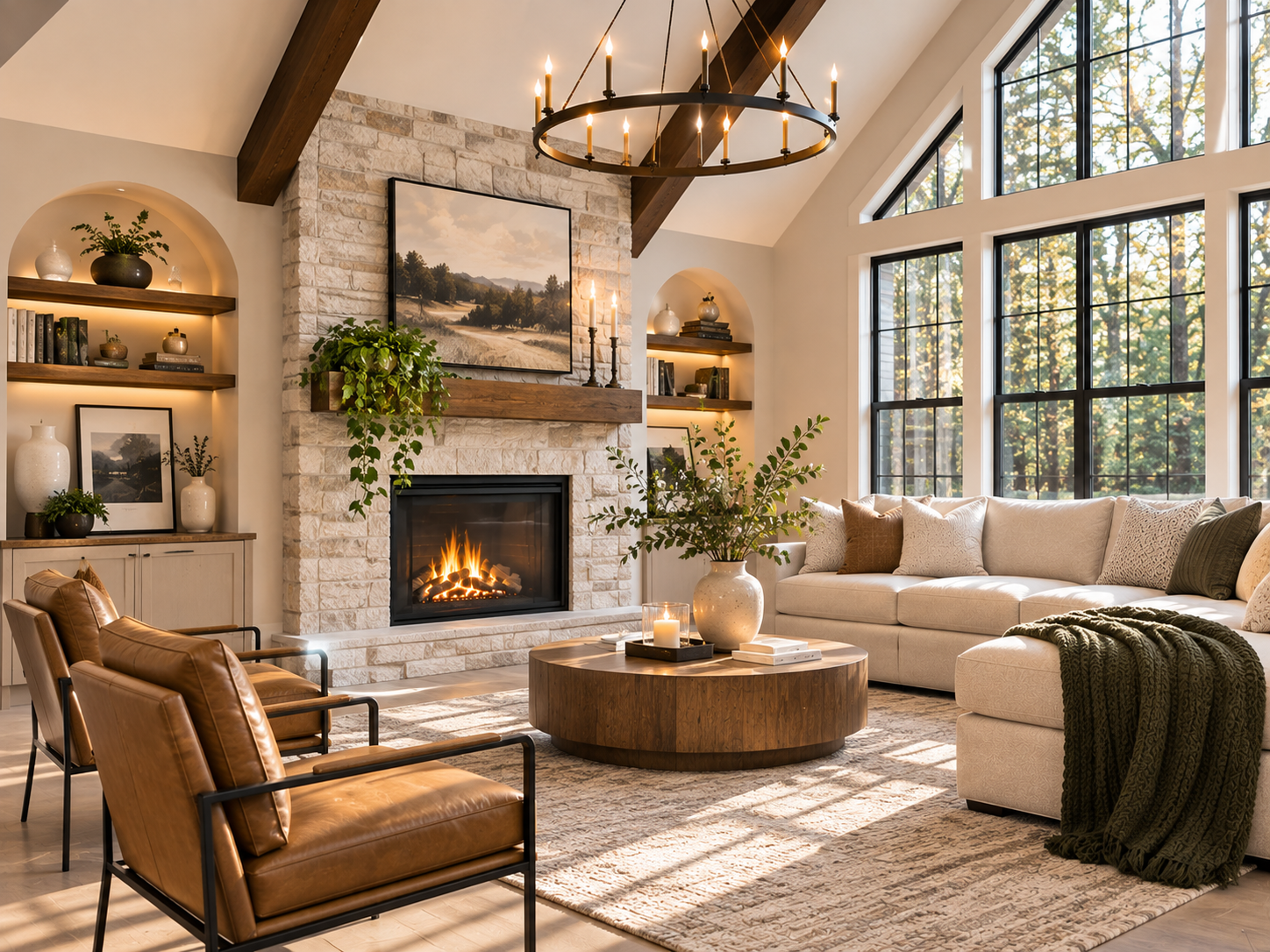
Don't Ignore the Signs Your Walls Are Ready for a Refresh.
Fading, stubborn marks, peeling coatings, visible repairs, and outdated colors can all be reasons to consider repainting.
While some imperfections only need minor attention, larger areas of wear may benefit from professional preparation and a complete repaint.
Addressing problems at the right time can help maintain your home's appearance and prevent certain surface issues from getting worse.
Frequently Asked Questions About Repainting Interior Walls.
How often should interior walls be repainted?+
There is no universal repainting schedule. The appropriate timing depends on the room's use, paint quality, surface condition, cleaning, and personal preferences. High-traffic areas may need attention sooner.
How do I know if my walls need repainting?+
Common signs include widespread scuffing, faded or uneven color, peeling paint, visible repairs, and a finish that no longer matches your home's style.
Can I paint over scuff marks and stains?+
Many marks should be cleaned before painting. Certain stains may require an appropriate stain-blocking primer. Painting directly over dirt or contamination can affect the appearance and adhesion of the new coating.
Should I repaint the whole wall or just touch it up?+
Touch-ups can work for isolated damage, but matching aged paint can be difficult. Repainting the entire wall often produces a more consistent result when the color or sheen has changed over time.
Can peeling paint be fixed without repainting the entire room?+
Sometimes. The cause of the peeling must be identified and corrected first. The affected coating may then need removal, surface preparation, priming, and repainting. The repair area depends on the extent of the damage.
Does Hopewell Painting repair drywall before painting?+
Hopewell Painting offers drywall repair and interior painting services. Specific repairs are reviewed during estimating and included according to the agreed project scope.
What paint is best for high-traffic interior walls?+
A durable, washable interior coating is often a good choice for busy spaces. The ideal product and sheen depend on the room, desired appearance, and maintenance needs. Hopewell Painting offers premium Sherwin-Williams options.
Does Hopewell Painting serve my area?+
Hopewell Painting serves homeowners in Cumming, Alpharetta, Milton, Roswell, Johns Creek, Suwanee, and surrounding North Georgia areas. Contact our team to discuss your interior painting project.
Are Your Walls Ready for a Fresh Start?
Whether your walls need a simple refresh or a complete interior transformation, Hopewell Painting delivers careful preparation, premium materials, and attention to every detail.
Request Your Interior Painting EstimateCumming · Alpharetta · Milton · Roswell · Johns Creek
Because every detail matters.
