
Why Is My Exterior Paint Bubbling? 6 Causes North Georgia Homeowners Should Know
You invested in painting your home's exterior, expecting a smooth, beautiful finish. But now small bubbles, raised patches, or peeling areas are appearing. What went wrong? Exterior paint bubbling can have several causes—and identifying the right one is essential before attempting repairs.
Exterior Painting Problems Explained
Why Does Exterior Paint Bubble?
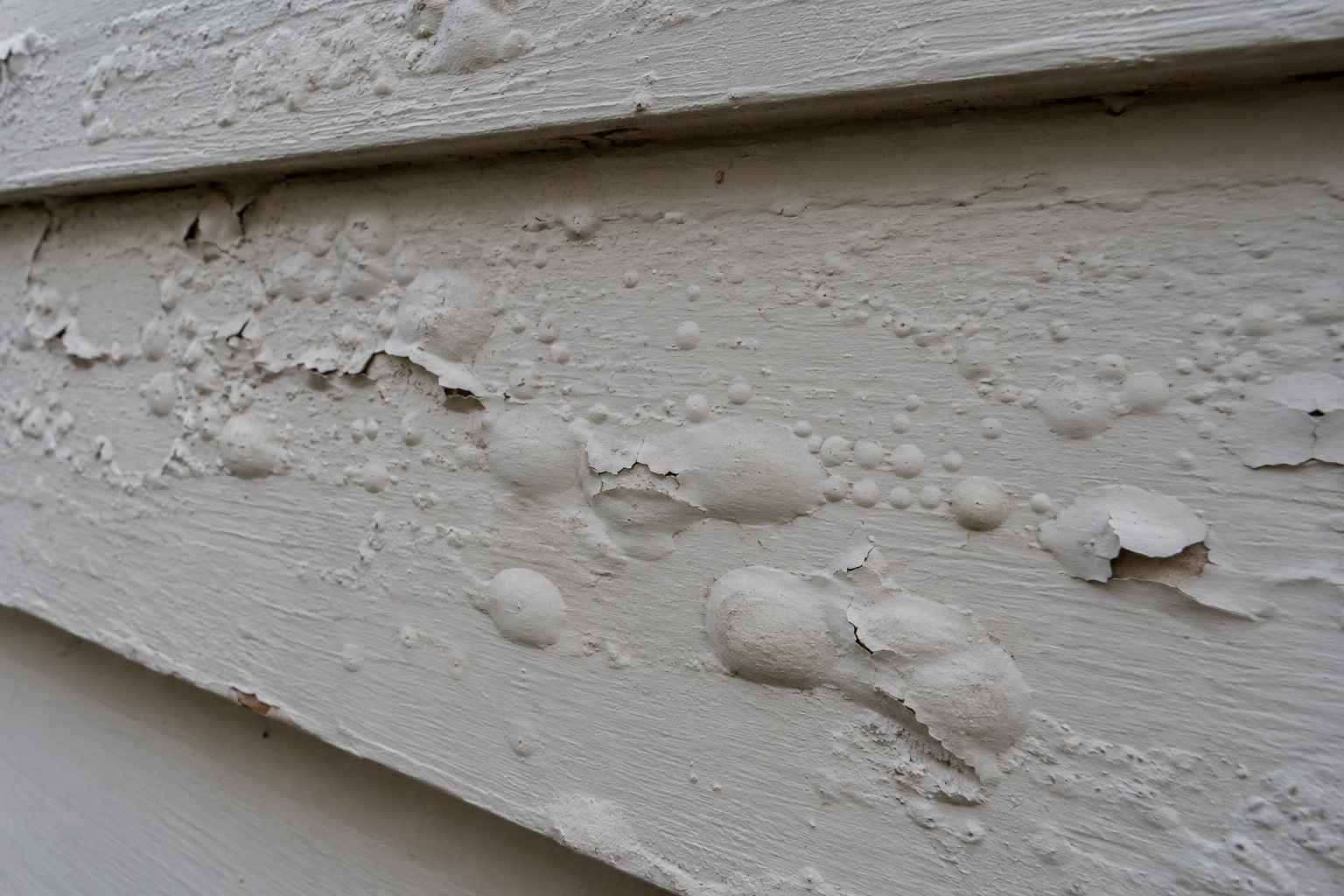
Paint bubbling, sometimes called blistering, occurs when the paint film lifts away from the surface beneath it or separates between coating layers.
These raised areas can range from tiny blisters to large sections of loose, damaged paint.
For homeowners in Cumming, Alpharetta, Milton, Roswell, and surrounding North Georgia communities, heat, humidity, rainfall, and existing surface conditions can all play a role.
The important question is not simply how to remove the bubbles. It is why the coating failed in the first place.
Understanding Paint Failure
Bubbling Paint Is a Symptom, Not the Underlying Problem.
When exterior paint begins to blister, something has interfered with the coating's ability to remain properly bonded to the surface.
Sometimes moisture is involved. In other cases, the problem may be related to excessive surface temperature, inadequate cleaning, incompatible coatings, or application conditions.
Even premium exterior paint can experience problems when the substrate is unsuitable or preparation is incomplete.
Understanding the six causes below will help you recognize potential issues and ask better questions before planning a repair.
Recognizing the Warning Signs
What Does Bubbling Exterior Paint Look Like?
Exterior paint failure does not always begin with large sections peeling away. Often, the first signs are subtle.
Pay attention to where the bubbles appear, whether they develop shortly after painting, and whether moisture or damaged materials are nearby.
These observations can help narrow down possible causes, although a visual inspection alone may not provide a definitive diagnosis.
Explore Exterior PaintingSmall Raised Blisters
Rounded bumps appearing underneath the paint film.
Large Loose Patches
Areas where the coating has visibly separated from the substrate.
Peeling After Blistering
Bubbles break or detach, leaving exposed material or older paint behind.
Recurring Failure
Paint continues to bubble in the same area after previous repairs.
Moisture Is Trapped Beneath the Paint
Moisture is an important potential cause of exterior paint blistering.
Water can enter or accumulate in building materials through leaking joints, damaged flashing, roof or gutter problems, or other sources.
When moisture affects the substrate or coating system, adhesion can weaken and blisters may form.
Simply scraping and repainting will not correct an active water intrusion problem.
Professional insight: Investigate and correct the moisture source before repairing the paint film. Persistent moisture problems may require evaluation beyond the scope of painting.
The Surface Was Not Properly Prepared
Proper preparation is one of the most important parts of an exterior painting project.
Dirt, chalky paint residue, mildew, loose coatings, grease, and other contaminants can interfere with adhesion.
Applying new paint over unstable existing paint can also create problems. The new coating may initially appear attractive while the underlying layer remains poorly bonded.
Cleaning, scraping, sanding, and appropriate priming help create a suitable foundation for the selected coating system.
A high-quality paint cannot permanently bond loose existing coatings to the surface underneath.
Paint Was Applied to an Overheated Surface
North Georgia summers can create challenging conditions for exterior painting.
Direct sunlight can raise the temperature of siding, trim, and other materials well above the surrounding air temperature.
Painting a surface outside the coating manufacturer's recommended temperature range can affect application, film formation, and adhesion.
Heat-related blistering can occur in certain coating systems and conditions, although not every blister on a sunny wall is caused by heat.
Surface temperature matters. The air temperature alone does not tell you whether a wall is suitable for painting.
The Primer or Paint System Was Incompatible
Not every exterior coating is suitable for every substrate or existing finish.
Wood, metal, masonry, fiber cement, and certain previously coated surfaces may require different preparation and primer recommendations.
Incompatibility, unsuitable surface conditions, or incorrect application can contribute to adhesion failure.
Bare or repaired areas should be evaluated for appropriate priming before finish coats are applied.
The correct primer depends on the material, condition, existing coating, and manufacturer's specifications. More primer is not automatically a substitute for proper preparation.
The Paint Was Applied Under Unsuitable Conditions
Exterior paint needs suitable conditions to form a durable film and adhere correctly.
High humidity, rain, condensation, cold surfaces, and inadequate drying intervals can interfere with the application or curing process.
Applying another coat before the previous layer is ready may also cause problems, depending on the coating and conditions.
Manufacturers provide requirements for temperature, moisture, drying, and recoating that should guide the project.
Drying and curing are not always the same thing. A surface that feels dry may not yet be ready for the next step.
The Old Paint Was Already Losing Its Adhesion
Sometimes the visible bubbles are not caused primarily by the newest coat of paint.
Older paint layers may already be deteriorating or separating from the original surface.
A new coating can reveal existing weaknesses, especially where the underlying paint was not properly evaluated or removed.
Repeated repainting without addressing unstable layers may lead to continued bubbling and peeling.
On older homes, use lead-safe practices when disturbing potentially lead-containing coatings. Homes built before 1978 may require additional precautions and compliance with applicable regulations.
The Professional Repair Process
Six Steps to Address Bubbling Exterior Paint
Determine where the blistering occurs, how widespread it is, and which coating layers appear to be affected.
Evaluate moisture, surface condition, adhesion, previous coatings, and application history when available.
Address water intrusion, deteriorated trim, and other conditions that could cause repeat failure.
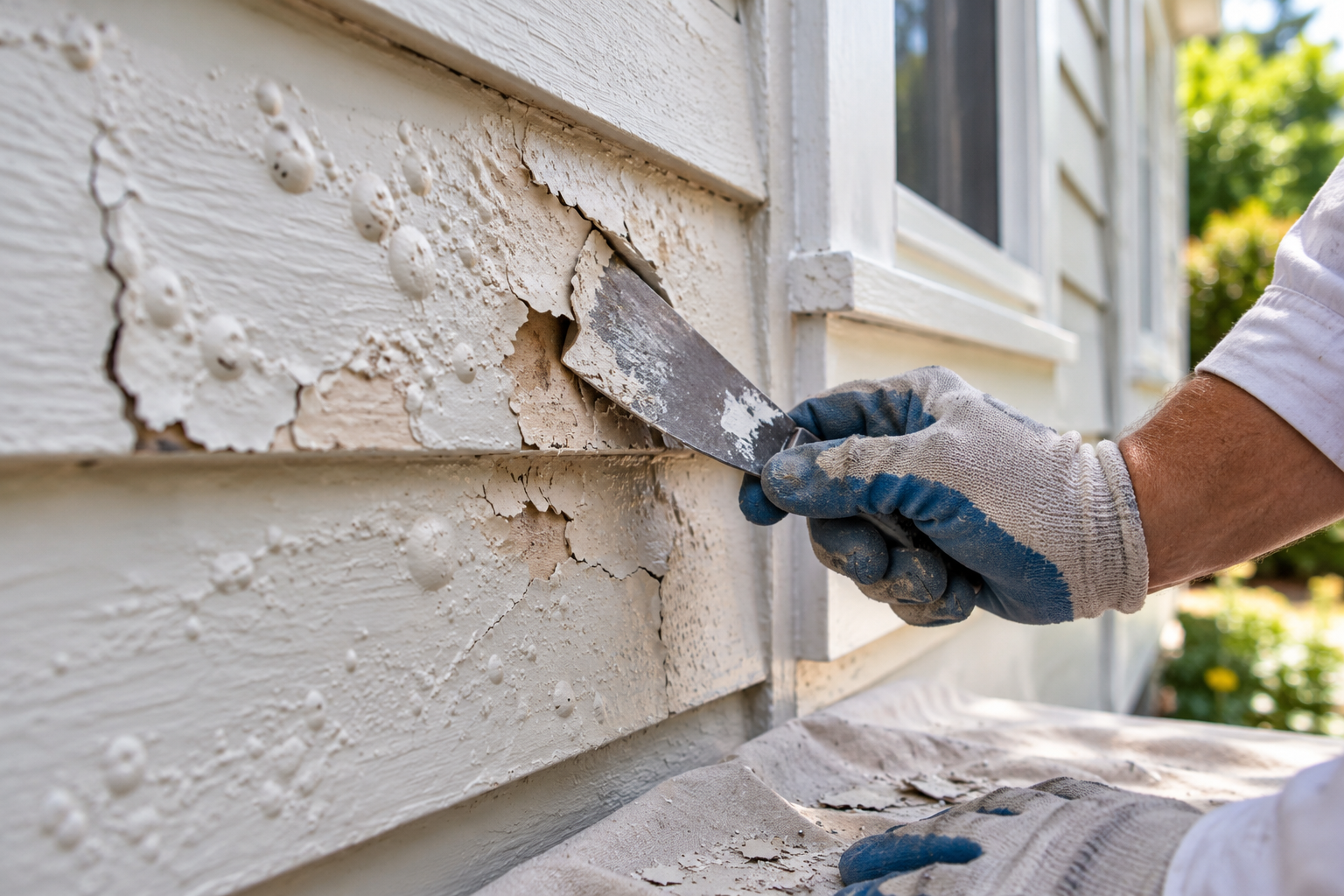
Scrape or otherwise remove unstable paint using methods appropriate for the substrate and applicable safety requirements.
Clean, dry, repair, sand, and prime as required by the selected coating system.
Apply compatible finish coats under suitable conditions, observing specified drying and recoating intervals.
Understanding the Difference
Four Exterior Paint Problems That Can Look Similar
Not every raised or damaged paint surface has the same underlying cause.
Blistering
Bubbling Paint
Raised areas caused by separation within or beneath the paint film.
Material Damage
Wood Rot
Deteriorated wood that may be associated with prolonged moisture exposure.
Coating Failure
Peeling Paint
Paint detaches in flakes or sheets because of lost adhesion or coating deterioration.
Surface Appearance
Chalking
A powdery residue associated with weathering of certain paint films.
Professional insight: A surface can experience more than one problem at the same time. For example, water intrusion can contribute to wood deterioration and coating failure. The repair plan should address all relevant conditions.
Preventing Repeat Paint Failure
Why Preparation Matters More Than Simply Repainting
When exterior paint begins bubbling, it can be tempting to scrape the affected spot and apply another coat.
Sometimes a localized repair is appropriate. Other situations require broader preparation, moisture correction, or removal of unstable coatings.
At Hopewell Painting, we believe a professional exterior painting project should begin with a careful evaluation of visible surface conditions.
Depending on the agreed scope, preparation may include cleaning, scraping, sanding, repairs, caulking at appropriate joints, and compatible primers.
- Inspect existing coatings
- Evaluate moisture concerns
- Remove loose or failing paint
- Repair damaged exterior materials
- Prime and finish appropriately
The Bottom Line
Don't Just Cover the Bubbles. Correct the Cause.
Bubbling exterior paint can result from moisture, inadequate preparation, excessive surface heat, incompatible coatings, unsuitable application conditions, or unstable older paint layers.
While some repairs are relatively localized, widespread or recurring blistering may indicate a more significant problem.
The best first step is identifying what caused the paint to separate before deciding how much preparation or repainting is needed.
For North Georgia homeowners, that attention to detail can help reduce avoidable repeat problems and support a better exterior finish.
Common Questions
Exterior Paint Bubbling FAQs
Why is my exterior paint bubbling after only a few months?
Early bubbling may be associated with moisture, poor surface preparation, incompatible coatings, application conditions, or unstable older paint. The timing alone does not establish the cause. A closer inspection is necessary.
Can humidity cause exterior paint to bubble?
High humidity can affect drying and application conditions. Moisture within the substrate may also contribute to coating failure. Follow the paint manufacturer's humidity, moisture, and drying recommendations.
Will exterior paint bubbles disappear on their own?
Some temporary application effects may change as a coating dries, but established blisters and lost adhesion should not be assumed to resolve themselves. Evaluate the affected coating before attempting repairs.
Can you paint over bubbling exterior paint?
Painting directly over blistered or poorly adhered coatings is generally not an appropriate repair. Failed material should be addressed and the underlying cause corrected before recoating.
Does bubbling paint mean I need to repaint my entire house?
Not necessarily. The extent of repair depends on the affected area, condition of the surrounding coating, underlying cause, and desired finish. Localized problems may be repairable, while widespread failure may require a larger project.
Can direct sunlight cause exterior paint to blister?
Excessive surface temperatures and unsuitable application conditions can contribute to certain paint defects. Surface temperature should be checked against the selected product's specifications.
How can I prevent exterior paint from bubbling again?
Identify and correct the cause of the previous failure, remove unstable coatings, repair damaged materials, prepare surfaces correctly, and apply a compatible coating system under suitable conditions. No painting process can eliminate every future source of moisture or damage.
Does Hopewell Painting repair peeling and bubbling exterior paint?
Hopewell Painting provides exterior painting and preparation services throughout Cumming, Alpharetta, Milton, Roswell, Johns Creek, and surrounding North Georgia communities. We assess visible surface conditions to help determine an appropriate project scope.
Professional Exterior Painting in North Georgia
Beautiful Results Begin Beneath the Surface.
At Hopewell Painting, we understand that exterior painting is about more than choosing a beautiful color.
From careful preparation and wood rot repairs to premium exterior coatings and detailed finishing, our approach focuses on the important details of every project.
Proudly serving Cumming, Alpharetta, Milton, Roswell, Johns Creek, and surrounding North Georgia communities.
Because every detail matters.
