
You found the perfect paint color on a tiny swatch. Then you brought it home, held it against the wall, and wondered: Is this even the same color? You're not imagining things. The room around a paint color changes how you see it.
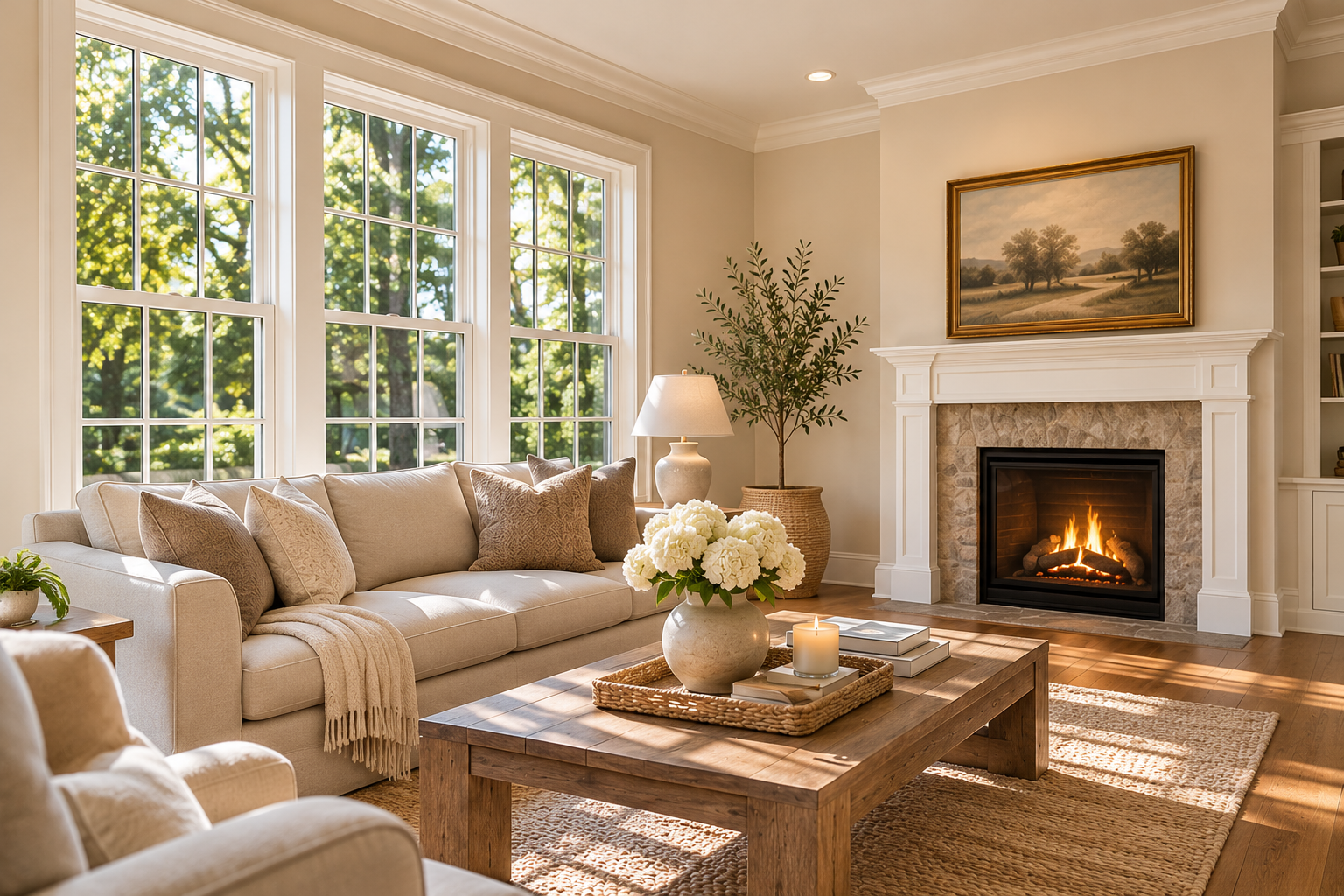
Why the Perfect Paint Swatch Can Look Completely Different on Your Wall.
Choosing a paint color often begins with inspiration: a beautiful room online, a sample card at the store, or a shade you admired in someone else's home.
But a color doesn't exist in isolation. Daylight, light bulbs, nearby materials, and even the size of the painted surface influence its appearance.
For homeowners in Cumming, Alpharetta, Milton, Roswell, Johns Creek, and surrounding North Georgia communities, understanding these variables can make the difference between a color you tolerate and one you truly love.
The Paint Didn't Necessarily Change. Its Surroundings Did.
Paint samples are usually viewed under store lighting, beside dozens of other colors, on a small piece of paper. Your home has different light, different finishes, and much larger wall surfaces.
Two people can also perceive the same shade differently. That's why choosing a color from a photo or a sample card alone is rarely the best final step.
The goal isn't to find a color that looks identical everywhere. It's to choose one that looks beautiful in your space throughout the day.
Six Reasons a Paint Color Looks Different at Home.
Before ruling out a shade you loved, look at the conditions around it. These six factors explain most of the surprises homeowners experience.
Natural Light Changes Color From Morning to Evening.
A soft greige might look warm in the morning and noticeably cooler later in the day. A white that seemed neutral at noon may look creamy as the sun sets.
North-facing rooms often receive cooler, more indirect light, while south-facing rooms may have stronger, warmer light during much of the day. East- and west-facing spaces can shift dramatically as the sun moves.
Window size, trees, porches, and neighboring buildings matter too. Direction is a useful clue, not a guarantee.
Homeowner tip: View the same sample in the morning, afternoon, and evening before making your decision.
Your Indoor Lighting Can Make a Warm Color Feel Cool—or the Reverse.
After sunset, the appearance of your walls depends heavily on the light fixtures you use. A warm-toned bulb can make beige and cream shades feel richer; cooler lighting may emphasize gray or blue qualities.
Bulb color temperature and color-rendering quality both affect how colors appear. Even two rooms painted with the same product can feel different when their bulbs don't match.
Test your sample with the lamps and overhead lights you actually use, not just daylight.
Homeowner tip: If a color looks wrong only at night, check your bulbs before abandoning the paint color.
The Subtle Undertone You Didn't Notice on the Sample Card.
Many colors that appear neutral have subtle undertones. A white may lean yellow, pink, green, or blue. A gray may reveal a violet or green cast when it meets your flooring or cabinetry.
Undertones often become easier to see when you compare similar samples side by side. They can also stand out when a new wall color is placed next to existing white trim.
Instead of asking whether a color is simply gray or beige, ask which direction it leans in your room.
Homeowner tip: Compare two or three finalists against your actual trim and flooring.
Floors, Countertops, and Furniture Affect the Color You See.
Your wall color interacts visually with everything around it. Honey-toned wood floors may make a neutral look warmer; a cool stone countertop may bring out cooler undertones in the same shade.
Large surfaces such as cabinets, rugs, curtains, and even a brick fireplace can influence how a color reads. Strong nearby colors may create visual contrast that makes a wall appear different.
This is especially important in open-concept homes, where one wall color may connect a kitchen, living room, and hallway.
Homeowner tip: Bring your sample close to the fixed finishes you aren't planning to change.
Sheen and Wall Texture Change How Light Reflects.
Flat, matte, eggshell, and satin finishes reflect light differently. Higher-sheen finishes generally show more reflected highlights, while flatter finishes scatter light and can appear more subdued.
Wall texture and surface condition can also change the appearance of the finished coating. A smooth sample card won't always predict how a color will look across textured drywall.
For the most useful comparison, test the color in the sheen you're considering for the actual room.
Homeowner tip: Ask for a sample of the intended product and sheen when possible. Sample formulas and finishes can differ from the final coating.
A Tiny Swatch Isn't the Same as an Entire Wall.
A small color chip is surrounded by other colors and often a bright white display. Once that shade covers a large wall, it becomes a much bigger part of your visual field.
The previous wall color can also influence your judgment. A new warm white may look yellow against an old cool gray, even though it will feel more balanced once the room is finished.
Testing a larger sample helps you evaluate the color without committing to a full repaint.
Homeowner tip: Keep sample edges distinct and consider a movable sample board to compare the color in several locations.
How to Test Paint Colors Before You Commit.
A little extra testing can prevent a disappointing whole-room result.
Start with two or three promising colors rather than covering every wall with competing samples.
Use generous test areas or movable sample boards so you can judge the color at a realistic scale.
Compare the sample near windows, in shaded corners, and beside your existing finishes.
Look at the color in morning light, afternoon light, and after sunset.
Turn on the lamps and ceiling fixtures you'll normally use in the finished room.
Make your final selection with the actual paint product and intended finish in mind.
Choosing a Paint Color From a Swatch vs. Testing It at Home.
Both can help you narrow your choices, but they answer very different questions.
Choosing From a Store Sample
A sample card is useful for discovering color families and comparing shades. It is less reliable for predicting the final appearance of a room.
What it helps you do- Explore different color families
- Compare warm and cool neutrals
- Narrow down your favorite shades
- Collect inspiration
Testing the Color in Your Home
A larger sample in the actual room reveals how the color interacts with your lighting, flooring, trim, and everyday surroundings.
What it helps you discover- How the shade changes during the day
- Whether undertones complement your finishes
- How the color feels on a larger surface
- Whether it works with your existing lighting
A Beautiful Interior Starts With Thoughtful Decisions.
At Hopewell Painting, we believe the best results begin before the first coat of finish paint is applied.
Selecting a color that complements your home is an important part of the process. So is choosing appropriate coatings, preparing the surfaces, and applying the paint with attention to detail.
Whether you're refreshing a bedroom or updating an entire interior, our team is here to help you turn your vision into a carefully finished space.
- Thoughtful project planning
- Clear color and sheen selections
- Detailed surface preparation
- Professional interior painting
- Careful final inspection
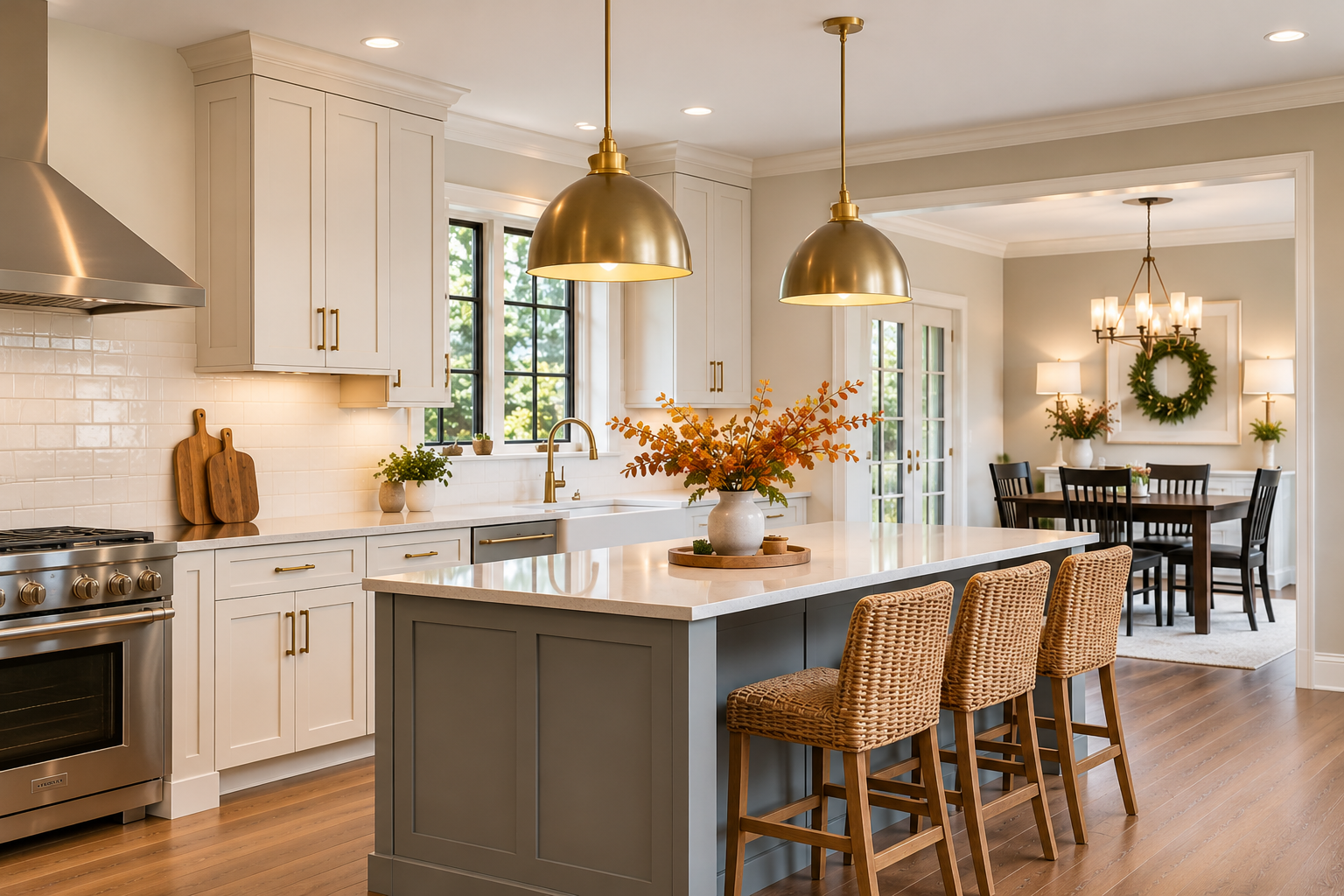
Choose the Color That Works in Your Home, Not Just on the Sample Card.
A paint color can look different from room to room without anything being wrong with the paint itself.
Natural light, artificial lighting, undertones, nearby materials, and sheen all influence the final appearance.
Before committing to a whole room, take time to compare larger samples in the space where the color will live.
That small step can help you make a more confident decision and enjoy the finished result for years to come.
Frequently Asked Questions About Choosing Paint Colors.
Why does my paint look darker on the wall than on the sample card?+
Large painted areas, room lighting, and surrounding finishes can make a color appear deeper than it did on a small sample. Test a larger area under the lighting conditions in your home.
Why does white paint sometimes look yellow or pink?+
Many white paints have subtle undertones that become more noticeable beside flooring, cabinets, or trim. Warm lighting can also emphasize creamy or yellow qualities.
Does paint look different after it dries?+
Yes. Wet paint can appear different from the dried finish. Allow the sample to dry according to the manufacturer's directions before judging the final color.
Does paint sheen affect how a color looks?+
Yes. Matte, eggshell, and satin finishes reflect light differently. This can change the apparent depth and character of a color, particularly under direct lighting.
Should I test paint colors on every wall?+
You don't necessarily need to paint every wall. Testing large samples or movable boards in different parts of the room can help you understand how the color responds to light.
Can the same paint color look different in two rooms?+
Absolutely. Different window directions, flooring, furniture, and light bulbs can make the same paint color appear warmer, cooler, lighter, or darker.
Should I choose paint colors before hiring a painter?+
You can begin exploring colors before your estimate, but final colors and sheens should be confirmed before painting begins. Ask your contractor about selection deadlines and any product-specific considerations.
Does Hopewell Painting serve my area?+
Hopewell Painting serves homeowners in Cumming, Alpharetta, Milton, Roswell, Johns Creek, and surrounding North Georgia communities. Contact our team to confirm availability for your location.
Ready to Bring Your Interior Vision to Life?
The right paint color is only the beginning. Beautiful results also depend on preparation, quality materials, and careful application.
From a single-room refresh to a complete interior transformation, Hopewell Painting is here to help.
Request Your Interior Painting EstimateCumming · Alpharetta · Milton · Roswell · North Georgia
Because every detail matters.
